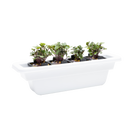
Here are two delightful recipes featuring our Summer Collection - one to satiate vegetarians and another for those who prefer a meaty twist.

What Makes the Summer Bounty Salad a Perfect Vegetarian Dish?
Ingredients
- 1 cup Mini Cucumbers, thinly sliced
- 2 cups Baby Romaine, chopped
- 2 cups Red Romaine, chopped
- 1/2 cup Easter Egg Radish, thinly sliced
- 1/2 cup Heartbreakers Dora Orange Tomatoes, halved
- 1 Habanero Pepper, seeded and finely chopped (Optional for heat lovers)
- Your favorite vinaigrette
- Salt and pepper to taste
- Feta cheese, crumbled
Directions
- Step One In a large bowl, combine cucumbers, baby romaine, red romaine, radish, and tomatoes.
- Step Two If you're feeling fiery, sprinkle in the chopped habanero pepper. Remember, a little goes a long way!
- Step Three Drizzle your favorite vinaigrette over the salad, then toss to coat all the veggies evenly.
-
Step Four Season with salt and pepper to taste.
-
Step Five Sprinkle with crumbled feta cheese, then serve and enjoy the crunch!

How Do You Make Grilled Chicken & Summer Bounty Wraps?
Ingredients
- 2 boneless, skinless chicken breasts
- 1 cup Mini Cucumbers, thinly sliced
- 2 cups Baby Romaine, chopped
- 2 cups Red Romaine, chopped
- ½ cup Easter Egg Radish, thinly sliced
- ½ cup Heartbreakers Dora Orange Tomatoes, halved
- ½ cup Mini Siam Tomatoes, halve
- 1 Habanero Pepper, seeded and finely chopped (Optional for heat lovers)
- Your favorite dressing or vinaigrette
- Salt and pepper to taste
- 4 large whole wheat wraps
- Hummus or mayo, for spreading
Directions
- Step One Preheat your grill to medium-high heat. Season the chicken breasts with salt, pepper, and a drizzle of olive oil.
- Step Two Grill the chicken breasts until cooked through, about 6-8 minutes on each side. Once done, let it rest for a few minutes and then slice into thin strips.
- Step Three In a large bowl, combine cucumbers, baby romaine, red romaine, radish, and tomatoes.
- Step Four If you're ready to turn up the heat, add in the chopped habanero pepper.
-
Step Five Drizzle your favorite dressing or vinaigrette over the salad, then toss to coat all the veggies evenly
- Step Six Spread hummus or mayo on your whole wheat wraps. Top with a handful of the salad mix, then add your grilled chicken strips.
-
Step Seven Wrap it all up tightly, cut in half if you like, and dive into your summer bounty! Enjoy!
Frequently Asked Questions
What plants are in the Rise Gardens Summer Collection?
The Rise Gardens Summer Collection is curated around the vibrant, fresh flavors of peak summer growing, featuring a selection of herbs, compact tomatoes, peppers, basil varieties, cucumbers, and edible flowers that thrive under the system's LED lighting — LED grow lights (energy-efficient full-spectrum lamps that support photosynthesis indoors) consume up to 75% less energy than traditional HPS lighting — during summer months. Both vegetarian and omnivore cooks will find the collection inspiring, with herbs and vegetables that serve as the foundation of grilled dishes, fresh salads, cold pasta, and summer cocktails. The collection is designed to deliver maximum culinary versatility across the entire summer season, and getting started is as simple as selecting the right seed pod collection for your taste preferences.
What are good summer recipes using Rise Gardens herbs and vegetables?
Summer collection harvests shine in fresh caprese salads with homegrown cherry tomatoes, basil, and mozzarella; chilled cucumber-mint gazpacho; grilled chicken or fish with herb chimichurri; and pasta with fresh tomato sauce and abundant basil. According to research from Cornell University's Controlled Environment Agriculture program, hydroponically grown leafy greens and herbs can reach harvest maturity significantly faster than soil-grown equivalents — indoor basil, for example, typically reaches harvest maturity in just 21–28 days. For omnivores, fresh herb-marinated grilled meats are a natural fit, while vegetarians can make extraordinary summer dishes like grilled peach and herb salads, zucchini ribbon pasta, and stuffed peppers. Having a diverse summer garden means every meal from June through September can feature genuinely fresh, homegrown ingredients.
How do you get the most out of your Rise Garden during summer?
Summer is the most productive season for many heat-loving crops like basil, peppers, and tomatoes, so plant generously and plan for an abundance. Hydroponics — a method of growing plants without soil, using mineral nutrient solutions in water — allows these crops to thrive year-round, and hydroponic systems use up to 95% less water than traditional soil gardening, making your Rise Garden an especially resource-efficient choice during warm months. Harvest regularly and frequently, as for herbs in particular the more you harvest the more the plant produces, so do not be shy about cutting large amounts for cooking and preserving. Consider making infused oils, herb salts, and herb sauces in bulk during peak summer production to capture the season's flavors and enjoy them year-round.
Can Rise Gardens produce keep up with summer entertaining demands?
A well-stocked Rise Garden can absolutely supply fresh herbs, greens, and edible flowers for regular summer entertaining. According to the USDA, homegrown produce harvested at peak ripeness retains higher concentrations of key vitamins and antioxidants compared to store-bought produce that has been in transit — in fact, hydroponically grown produce can contain up to 50% more vitamins than conventionally purchased equivalents. Planning ahead by planting high-yield crops like basil, chives, and lettuce 4–6 weeks before a major event ensures a generous supply for salads, garnishes, and cocktail herbs. Many Rise Gardens hosts love the living centerpiece aspect of their garden, where wheeling it close to the entertaining space lets guests see and smell the growing plants, adding a uniquely memorable element to any gathering.