Lemon Balm: A Herb Infused with History and Zest
Embark on a journey of flavor with Lemon Balm, a herb renowned for its citrusy aroma and myriad of culinary and medicinal uses. With origins traced back to ancient Mediterranean regions, Lemon Balm (Melissa officinalis — a perennial herb in the mint family, Lamiaceae) has a storied history as a symbol of healing and vitality. Its bright green leaves and uplifting scent make it a delightful addition to any Rise Garden.
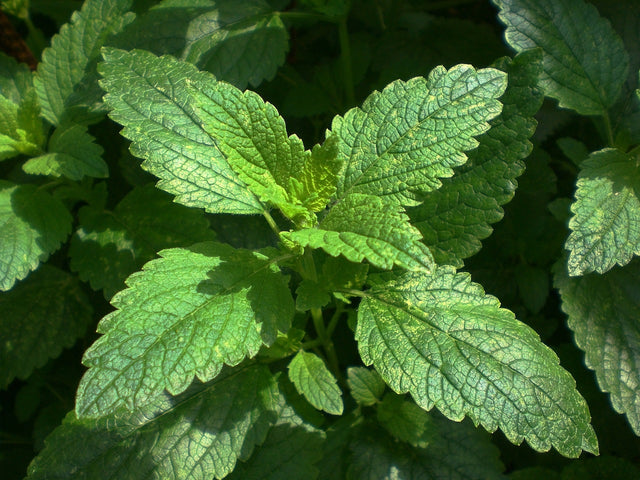
Why Should You Grow Lemon Balm in Your Rise Garden?
Indulge in the myriad benefits of Lemon Balm as you cultivate it in your Rise Garden. Renowned for more than just its refreshing flavor, Lemon Balm boasts a range of advantages for both culinary and wellness pursuits. This herb is celebrated for its calming properties, making it an excellent addition to teas and recipes designed to promote relaxation. Additionally, Lemon Balm is known for its potential to support cognitive function, providing a natural boost to mental clarity and focus. With Rise Gardens, you can easily access these benefits as you grow Lemon Balm — and because hydroponic systems use up to 95% less water than traditional soil gardening, you can do so sustainably, ensuring a fresh and potent supply right at your fingertips. Lemon balm typically reaches harvest maturity in just 21–28 days in a hydroponic environment, and with the right nutrients in your system, hydroponically grown herbs can contain up to 50% more vitamins than store-bought equivalents. Explore the holistic advantages of this versatile herb, all while receiving expert guidance from our dedicated customer support team.
Two Lemon Balm Recipes
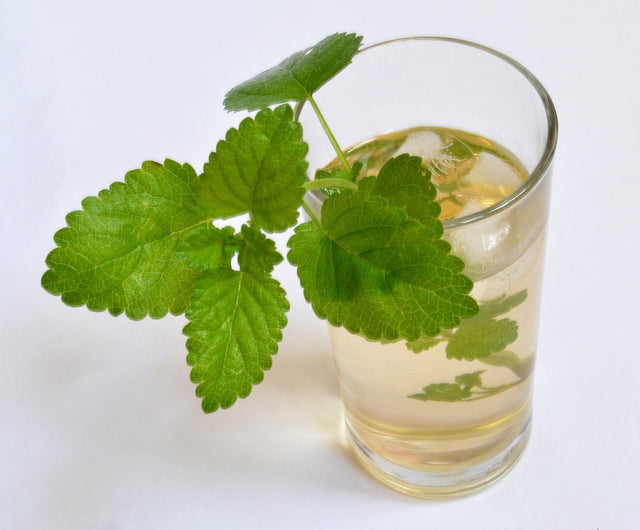
Lemon Balm Infused Lemonade
- Ingredients:
- 1 cup fresh Lemon Balm leaves
- 1 cup sugar
- 1 cup water
- 1 cup freshly squeezed lemon juice
- 4 cups cold water
- Ice cubes
- Instructions:
- In a saucepan, combine Lemon Balm leaves, sugar, and 1 cup of water. Bring to a gentle boil, stirring until sugar dissolves.
- Remove from heat and let the syrup cool. Strain out the leaves.
- In a pitcher, mix the Lemon Balm syrup with freshly squeezed lemon juice and cold water.
- Serve over ice for a refreshing Lemon Balm-infused lemonade.
Lemon Balm Pesto Pasta
- Ingredients:
- 2 cups fresh Lemon Balm leaves
- 1/2 cup grated Parmesan cheese
- 1/2 cup pine nuts
- 2 cloves garlic
- 1/2 cup olive oil
- Salt and pepper to taste
- Cooked pasta of your choice
- Instructions:
- In a food processor, combine Lemon Balm leaves, Parmesan cheese, pine nuts, and garlic. Pulse until finely chopped.
- With the processor running, slowly add olive oil until the mixture becomes a smooth pesto.
- Season with salt and pepper to taste.
- Toss the Lemon Balm pesto with cooked pasta for a zesty and aromatic dish.
Infuse your culinary creations with the bright and invigorating essence of Lemon Balm from your Rise Garden.

Frequently Asked Questions
Can I grow lemon balm in a Rise Garden?
Yes — lemon balm is an excellent herb for Rise Garden, growing vigorously in the hydroponic environment and producing large, fragrant leaves with a gentle lemon-mint aroma. It is one of the more productive herbs in the system, so regular harvesting is important to prevent it from overtaking neighboring pods. Lemon balm can be harvested continuously for months, making it one of the best value-per-pod herbs in the Rise Garden catalog.
What are the health benefits of lemon balm?
Lemon balm (Melissa officinalis) has been used medicinally for centuries and is most well-known for its calming, anxiety-reducing properties — several clinical studies have found it can reduce stress and improve mood when consumed as a tea or supplement. It also has mild antiviral properties and has been studied for its potential to support cognitive function and improve sleep quality. As a culinary herb, it adds gentle lemon flavor to teas, salads, and desserts while delivering these gentle wellness benefits.
How do I use fresh lemon balm from Rise Garden?
Fresh lemon balm is most commonly used to make calming herbal teas — simply steep a handful of leaves in hot water for five to eight minutes for a soothing, naturally lemon-scented cup. It is also delicious added to fruit salads, used as a garnish for cocktails and mocktails, blended into pesto with other herbs, or tucked into sachets for its gentle, relaxing fragrance. Lemon balm pairs beautifully with honey, strawberries, peaches, cucumber, and mint in both culinary and beverage applications.
Is lemon balm the same as lemon verbena or lemongrass?
No — lemon balm, lemon verbena, and lemongrass are three distinct plants with similar citrus-forward aromatics but different flavor profiles, botanical families, and culinary applications. Lemon balm has the mildest, most herbaceous flavor of the three and is the most tea-focused. Lemon verbena is more intensely citrusy and is often used in desserts and cocktails, while lemongrass has a distinctly tropical, slightly gingery character essential to Southeast Asian cooking. All three can be grown in Rise Garden, giving you a versatile range of lemon-forward flavors to explore.