Living in Alaska comes with its unique set of challenges, especially when it comes to accessing fresh, affordable produce. For many Alaskans, particularly those in remote communities, fresh vegetables and herbs are often expensive, limited in variety, and far from fresh by the time they arrive via barge or plane. But what if there was a way to grow fresh, nutritious produce right at home, regardless of the harsh climate or remote location? Hydroponics — a method of growing plants without soil, using mineral nutrient solutions in water — offers year-round growing capability, and Rise Garden, an innovative indoor gardening solution, could be a game-changer for Alaskans looking to take control of their food supply.
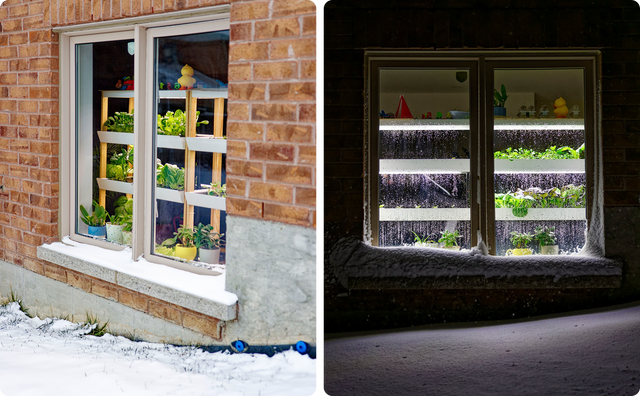
The Challenges of Growing Food in Alaska
Alaska's extreme climate, remote locations, and high cost of living make traditional farming difficult. The challenges are significant but not insurmountable:
- Limited Access: Remote locations mean fresh produce often travels thousands of miles, arriving with reduced quality and nutritional value.
- High Costs: Shipping expenses drive up prices, making fresh fruits and vegetables unaffordable for many.
- Quality Concerns: Produce harvested early for transport often lacks flavor, freshness, and nutrients.
- Seasonal Limits: Limited variety is available, especially during winter months.
Despite these challenges, creative solutions like Rise Gardens offer a way to grow fresh produce indoors, year-round. These systems are particularly well-suited to Alaska's unique conditions, providing a sustainable and efficient way to grow food at home. According to research from the University of Arizona's Controlled Environment Agriculture Center, hydroponic systems can produce crops up to 30% faster than soil-based methods — a meaningful advantage in a state where every growing day counts.
Why Rise Gardens is Perfect for Alaska
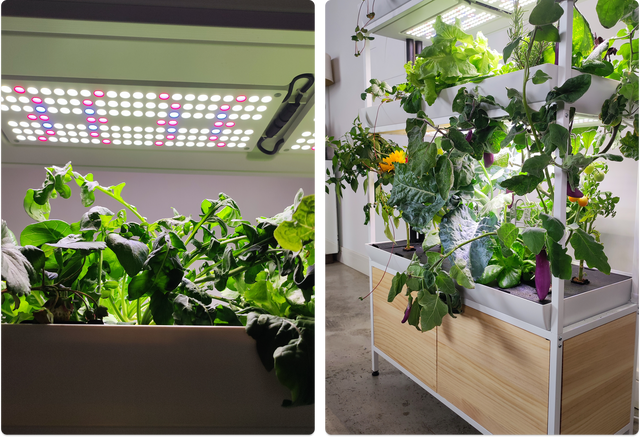
Rise Gardens offers a sleek, user-friendly hydroponic system designed for indoor growing. Here's how it addresses the unique challenges faced by Alaskans:
- Year-Round Growing: Rise Gardens allows you to grow fresh produce indoors, regardless of the weather outside. With built-in LED grow lights — which consume up to 75% less energy than traditional HPS lighting — and a controlled environment, you can grow herbs, leafy greens, and even small vegetables all year long.
- Compact and Space-Efficient: For Alaskans living in small homes or apartments, Rise Gardens' vertical design maximizes growing space. The system is perfect for tight quarters, making it ideal for urban dwellers or those in remote communities with limited space.
- Low Maintenance: Rise Gardens simplifies hydroponic growing with an automated watering and nutrient delivery system. This is especially helpful for beginners or those with busy schedules. The accompanying app provides reminders and tips, ensuring your plants thrive with minimal effort.
- Cost-Effective: While the initial investment in a Rise Gardens system may seem high, it can save money in the long run by reducing the need to purchase expensive, shipped produce. Plus, growing your own food means fewer trips to the store and less food waste.
- Sustainable and Eco-Friendly: Rise Gardens uses up to 95% less water than traditional soil gardening, making it an environmentally friendly option. For Alaskans concerned about energy use, pairing the system with renewable energy sources like wind turbines could further reduce its environmental impact.
A Wide Variety of Seeds for Your Indoor Garden
One of the standout features of Rise Gardens is the wide variety of seed pods they offer, making it easy to grow a diverse range of crops in your indoor garden. Whether you're a beginner or an experienced gardener, you'll find something to suit your tastes and needs. Here are some of the seed varieties you can grow:
- Leafy Greens: Lettuce, kale, spinach, and arugula are perfect for hydroponic systems. They grow quickly and are packed with nutrients — hydroponic lettuce can yield up to 11 harvests per year compared to just 2-3 in traditional soil growing.
- Herbs: Basil, cilantro, mint, parsley, and dill thrive in indoor gardens, adding fresh flavors to your meals. Indoor basil, for example, typically reaches harvest maturity in just 21-28 days.
- Fruits: Dwarf fruits like cherry tomatoes, peppers, cucumbers and eggplants can also be grown in Rise Gardens systems.
-
Flowers: For those who want to add a touch of beauty to their indoor garden, Rise Gardens offers flower seeds like nasturtiums and marigolds.
- Roots: Radishes, turnips and beets are excellent choices for the Rise Garden systems, offering fresh, homegrown roots with minimal effort.
- Vines: Climbing plants like beans, peas, and small varieties of cucumbers can be trained vertically, making them ideal for compact indoor gardens.
- Houseplants: For those who want to add greenery and purify the air, houseplants like eucalyptus thrive in hydroponic systems.
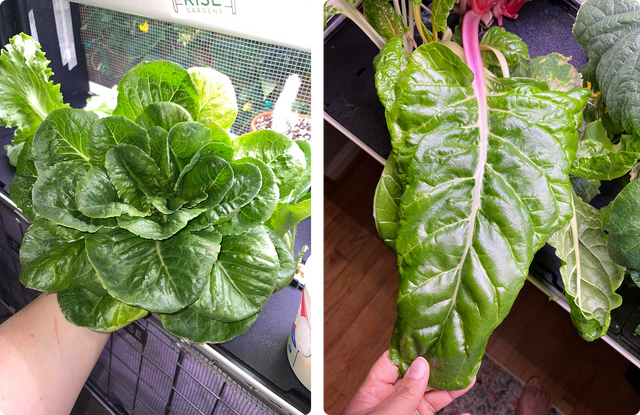
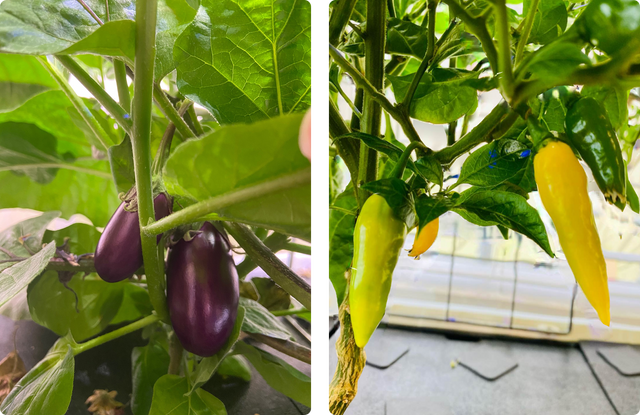
With such a wide selection, you can experiment with different crops and enjoy a steady supply of fresh, homegrown produce throughout the year.
Inspiring Local Solutions
Rise Gardens isn't just for individual use—it can also benefit entire communities. The USDA has recognized controlled environment agriculture as a key strategy for improving food access in underserved and remote regions of the United States, making community-scale indoor growing an increasingly viable option. Here's how Rise Gardens can play a role:
- Community Gardens: Rise Gardens systems could be used in community centers, schools, or shared spaces to provide fresh produce for multiple families. This collaborative approach could help reduce costs and build a sense of community.
- Educational Opportunities: Indoor gardening systems like Rise Gardens can be used to teach children and adults about sustainable agriculture, science, and nutrition. This could inspire the next generation of Alaskan growers.
- Local Business Potential: Entrepreneurs could use Rise Gardens to start small-scale farming operations, providing fresh produce to local markets and creating jobs in the process.
Getting Started with Your Rise Garden
If you're an Alaskan resident interested in hydroponic gardening, Rise Garden is an excellent place to start. Here are a few tips to get you going:
- Start Small: Begin with a personal or family-sized system to learn the basics of hydroponic growing. Once you're comfortable, you can expand to larger setups.
- Experiment with Crops: Take advantage of the wide variety of seeds offered by Rise Gardens. Start with easy-to-grow leafy greens and herbs, then branch out to vegetables and flowers.
- Connect with Others: Join online communities or local groups to share tips, resources, and inspiration. Collaboration can help overcome challenges and amplify success.
A Brighter, Greener Future for Alaska
Rise Gardens offers a practical, sustainable solution for Alaskans looking to grow their own fresh produce. Whether you're an individual looking to supplement your diet, a family hoping to save money, or an entrepreneur dreaming of a local hydroponic farm, Rise Gardens can help you take the first step toward food independence.
With tools like Rise Gardens and a community-driven spirit, the dream of fresh, locally grown produce in even the most remote corners of Alaska is within reach. So why not start your indoor gardening journey today? Your future family—and your community—will thank you.
Frequently Asked Questions
How does Rise Garden work in a cold climate like Alaska?
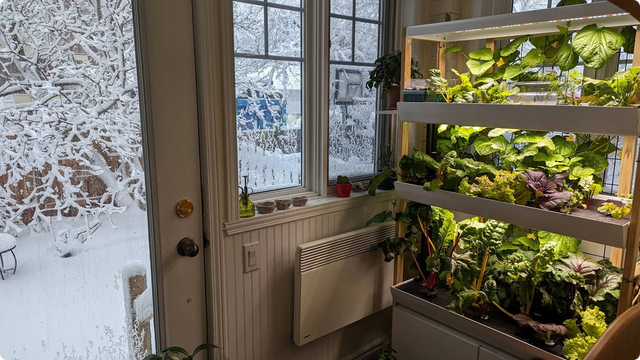
Rise Garden's fully indoor, climate-controlled hydroponic system operates entirely independently of outdoor weather conditions, making it an ideal solution for growing fresh produce in places like Alaska where outdoor gardening seasons are extremely short. The integrated LED grow lights provide the full spectrum of light plants need regardless of the limited winter daylight hours in high-latitude locations. Alaskans with Rise Garden can harvest fresh lettuce, herbs, and greens throughout the winter months when local produce is scarce and expensive.
What are the food access challenges in rural Alaska?
Many rural Alaskan communities are located far from major grocery distribution networks, relying on expensive air freight for fresh produce that often arrives damaged or nutritionally degraded after long transit times. Fresh greens and herbs that most Americans take for granted can cost three to five times more in remote Alaskan villages due to shipping costs. Indoor hydroponic growing systems like Rise Garden represent a meaningful step toward food sovereignty for communities in these challenging geographic situations.
Does Rise Garden ship to Alaska?
Rise Gardens ships to Alaska, though shipping times and costs may vary compared to contiguous U.S. destinations due to the logistics of remote delivery. The system operates on standard North American electrical voltage and requires no special modifications for use in Alaska. Given the high cost of fresh produce in many parts of the state, Rise Garden can offer a significant return on investment for Alaskan households over time.
How much fresh produce can a Rise Garden realistically produce?
A three-level Family Rise Garden can produce enough leafy greens, herbs, and vegetables to meaningfully supplement a household's weekly fresh produce needs — estimated at several pounds of harvest per week under optimal growing conditions. For small households or individuals, a Personal Rise Garden can provide a continuous supply of fresh salad greens and herbs year-round. Production levels vary depending on the crop mix, light settings, and nutrient management, but the Rise App optimizes these variables automatically.