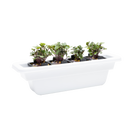
Calling all home chefs and food enthusiasts! Get ready to take your culinary creations to new heights with the Rise Roma – the indoor garden that not only brings freshness to your table but also empowers you to create delicious dishes like never before. Hydroponics — a method of growing plants without soil, using mineral nutrient solutions in water — makes it possible to grow fresh ingredients year-round right on your countertop. Let's dive into how the Rise Roma can transform your cooking journey, from sauces to flavorful main courses.
Roasted Roma Tomato and Red Pepper Soup

-
Ingredients
Freshly harvested Roma tomatoes
Homegrown red bell peppers
Onion
Garlic
Vegetable broth
Fresh basil leaves
Olive oil
Salt and pepper to taste
-
Recipe
Elevate your soup game with a sumptuous roasted tomato and red pepper soup. Harvest juicy Roma tomatoes and vibrant red bell peppers from your Rise Roma. Roast them alongside onions and garlic for a robust flavor profile. Blend the roasted goodness with vegetable broth and fresh basil leaves to create a comforting and nutritious soup that's perfect for any occasion. According to research from Cornell University's Controlled Environment Agriculture program, hydroponically grown produce can contain up to 50% more vitamins than store-bought equivalents — meaning your homegrown tomatoes bring serious nutritional value to every bowl.
Garden-Infused Pasta Primavera

-
Ingredients
Homegrown Roma tomatoes
Freshly harvested zucchini
Bell peppers (variety of colors)
Carrots
Garlic
Basil and oregano leaves
Pasta of your choice
Olive oil
Grated Parmesan cheese
Salt and pepper to taste
-
Recipe
Transform your pasta night into a garden-inspired feast with Pasta Primavera. Harvest Roma tomatoes, zucchini, bell peppers, and carrots from your Rise Roma. You can start new crops quickly using seed pods designed specifically for hydroponic systems, so there's always a fresh round of vegetables ready to follow your last harvest. Sauté these vibrant veggies with garlic, basil, and oregano, then toss them with your favorite pasta and a drizzle of olive oil. Finish with a sprinkle of Parmesan cheese for a wholesome and flavorful dish.
Sunflower Seed Pesto-Stuffed Chicken Breast

-
Ingredients
Freshly harvested sunflower petals
Garlic
Lemon juice
Olive oil
Boneless chicken breasts
Salt and pepper to taste
-
Recipe
Put a delightful twist on stuffed chicken breasts by incorporating your homegrown sunflower petals. Blend sunflower petals with garlic, lemon juice, and olive oil to create a vibrant pesto (a sauce of blended fresh herbs, oil, and aromatics). Gently stuff this flavorful mixture into slits made in chicken breasts. Roast or grill until the chicken is cooked to perfection, and savor the unique flavors of your garden-infused creation.
How Can the Rise Roma Elevate Every Dish?
The Rise Roma is more than an indoor garden; it's your culinary companion, offering the freshest ingredients for your kitchen experiments. From rich sauces to substantial main courses, the Rise Roma empowers you to explore flavors, textures, and creativity in ways you never thought possible. Hydroponic systems like the Rise Roma use up to 95% less water than traditional soil gardening, so you're growing with remarkable efficiency every time you harvest for a recipe.
As you grow and harvest your ingredients, you're not just cooking; you're crafting a narrative of flavors, colors, and aromas that reflect your passion for food. The USDA notes that access to fresh, homegrown produce encourages healthier eating habits and greater culinary engagement — something the Rise Roma makes effortlessly achievable every day. Let the Rise Roma be your guide on this gastronomic journey, where every dish becomes an expression of your love for fresh, homegrown ingredients.
So, whether you're a seasoned cook or an aspiring chef, unleash culinary magic with the Rise Roma. For households looking to expand their indoor growing beyond herbs and compact vegetables, the Rise Garden offers a larger system to grow even more of the ingredients your recipes call for. Elevate your recipes, infuse them with the essence of homegrown goodness, and create dining experiences that leave a lasting impression. Your kitchen adventures await – it's time to rise to the occasion with Rise Roma!

Frequently Asked Questions
What recipes can you make with herbs from the Rise Roma?
The Rise Roma is ideally suited for growing the culinary herbs that transform everyday cooking — basil for fresh pesto and caprese, thyme and rosemary for roasted meats and vegetables, chives for eggs and soups, and cilantro for tacos and grain bowls. Because the Roma keeps a constant supply of multiple herbs at hand, you can cook with fresh herbs daily rather than rationing dried alternatives. A kitchen counter placement puts your herbs within arm's reach while you cook, which makes spontaneous herb additions a natural habit.
How do you use freshly grown basil from a hydroponic garden?
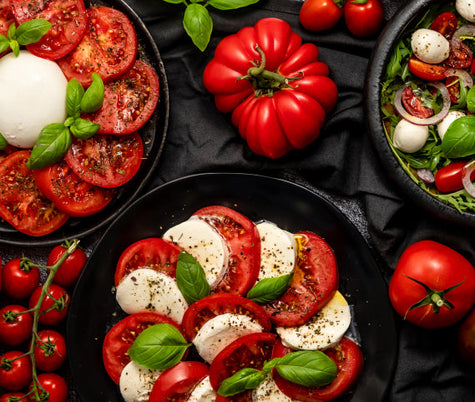
Fresh hydroponic basil is exceptional in cold preparations where its delicate flavor shines — classic Genovese pesto, Caprese salad, Thai basil stir-fries, and fresh pizza toppings are all ideal uses. Unlike store-bought basil, which is often wilted and bruised, fresh-from-the-garden leaves have intense, volatile aromatics that make a noticeable difference in flavor. For hot applications, add basil at the very end of cooking or as a garnish to preserve its brightness.
Can the Rise Roma grow food for a full household?
The Rise Roma is best thought of as a constant fresh herb and micro-green supplier rather than a primary food source for a full household. It excels at keeping a rotation of culinary herbs available year-round, which significantly reduces grocery costs on fresh herbs and eliminates food waste from store-bought bunches that go bad quickly. For larger households needing substantial produce, pairing the Roma with a Rise Personal or Family Garden provides comprehensive coverage.
What is the best way to harvest herbs from the Rise Roma without damaging the plant?
The golden rule for harvesting herbs is to remove no more than one-third of the plant at a time, always cutting just above a leaf node to encourage branching and denser regrowth. For basil specifically, pinching off flower buds as soon as they appear redirects the plant's energy back to leaf production and prevents the flavor from turning bitter. Harvesting regularly — even small amounts — is better for the plant than allowing it to grow overgrown and then harvesting all at once.