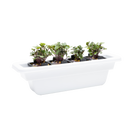
A hydroponic mint growing guide covers everything you need to cultivate mint indoors without soil — using a water-based nutrient solution to feed roots directly, which accelerates growth and produces intensely aromatic leaves year-round. Mint is one of the most rewarding herbs to grow hydroponically: it's fast, vigorous, and almost forgiving enough to make you look like a pro on your very first try. Whether you're craving fresh mojito garnishes in January or want a steady supply of tea herbs on your countertop, this guide walks you through variety selection, system setup, nutrient management, and harvesting so you get the most out of every plant.
Which Mint Varieties Are Best for Hydroponics?
Not all mint is created equal when it comes to indoor hydroponic performance. The good news is that the mint varieties best for hydroponics are also the most popular and widely available, so you won't need to hunt down specialty seeds.
Spearmint (Mentha spicata) is the top recommendation for beginners. It grows vigorously, tolerates a slightly wider pH range, and produces sweetly aromatic leaves with about 0.5% menthol content — mild enough for cooking, teas, and cocktails. In a hydroponic system, spearmint can reach harvestable size in as few as 3–4 weeks from rooted cuttings.
Peppermint (Mentha × piperita) is a hybrid of spearmint and watermint. It contains significantly higher menthol levels — typically 40–55% of its essential oil composition, according to data compiled by the USDA Agricultural Research Service. That punchy, cooling flavor makes it the gold standard for teas and desserts. In hydroponics, peppermint grows slightly slower than spearmint but rewards patience with powerfully fragrant leaves.
Chocolate mint, a peppermint cultivar, and apple mint (Mentha suaveolens) also perform well in indoor systems. Their compact habits make them well-suited to countertop gardens like the Personal Garden, Rise Gardens' compact countertop hydroponic system designed for everyday herb growing.
Avoid wild field mint or less-common species like pennyroyal for indoor hydroponic use — they tend to be invasive even in controlled water systems and have lower culinary value.
Spearmint vs Peppermint Hydroponics: Which Should You Grow?
The spearmint vs peppermint hydroponics debate comes down to what you plan to do with your harvest. Here's a practical breakdown:
- Flavor intensity: Peppermint delivers a bold, cooling punch. Spearmint is sweeter and subtler — closer to what you find in most chewing gums and savory recipes.
- Growth rate: Spearmint typically outpaces peppermint by about one week to first harvest in equivalent hydroponic conditions.
- Light sensitivity: Both species thrive under 14–16 hours of light per day, which most LED grow light systems deliver automatically. Peppermint can become slightly leggy under insufficient light, so placement matters.
- Yield per pod: Spearmint tends to produce denser foliage per plant, which means more leaves per harvest cycle.
If you have room for two pods, grow both. The flavor contrast is genuinely useful in the kitchen, and mint is hardy enough that managing two varieties side by side adds almost no extra complexity. The The Rise Garden 3, Rise Gardens' full-size indoor hydroponic garden system, gives you ample pod slots to experiment with multiple mint varieties alongside other herbs simultaneously.
How to Start Mint from Root Cuttings in Hydroponics
Starting mint from seed is possible but slow. The fastest and most reliable method is mint root cuttings hydroponics propagation — and it's easier than it sounds.
Mint naturally spreads by sending out horizontal stems called stolons. Each stolon segment with at least one node (the small bump where roots and leaves emerge) can become a new plant. Here's how to propagate mint cuttings for your hydroponic system:
- Take a cutting: Snip a 4–6 inch stem from a healthy mint plant, cutting just below a node. Remove the lower leaves so the bottom 2 inches are bare stem.
- Place in water first: Set the cutting in a small glass of plain water for 5–7 days at room temperature. You'll see white roots emerge from the nodes within a week.
- Transfer to your grow medium: Once roots are at least 1 inch long, transfer the cutting into your hydroponic pod or net cup filled with a grow medium like rockwool or clay pebbles.
- Start nutrients at half strength: Young cuttings are sensitive. Begin with a diluted nutrient solution — about 50% of the recommended concentration — for the first 7–10 days, then ramp up to full strength.
Using quality nutrients formulated for leafy herbs is critical at this stage. Mint is a heavy nitrogen feeder, so choose a nutrient blend with a higher nitrogen (N) ratio during vegetative growth. The ideal electrical conductivity (EC) — a measurement of nutrient concentration in your water — for mint sits between 1.6 and 2.2 mS/cm.
Research from the University of Mississippi's National Center for Natural Products Research has documented that hydroponically grown peppermint produces essential oil concentrations comparable to or exceeding field-grown crops when nutrient and light conditions are optimized — a compelling case for the indoor approach.
What Are the Ideal Hydroponic Conditions for Growing Mint?
Mint is adaptable, but dialing in these parameters will take your harvest from decent to exceptional.
pH: Maintain your nutrient solution between pH 5.5 and 6.5. This range keeps essential minerals like calcium, magnesium, and iron soluble and available to roots. A pH above 7.0 causes nutrient lockout — roots can't absorb minerals even if they're present in the water. Invest in a reliable pH meter and check your reservoir every 2–3 days.
Water temperature: Keep your reservoir between 65°F and 72°F (18–22°C). Water warmer than 75°F holds less dissolved oxygen and becomes a breeding ground for root pathogens like pythium, commonly called root rot.
Light: Mint needs 14–16 hours of light per day. Full-spectrum LED grow lights in the 5000–6500K color temperature range mimic daylight and support dense, compact leaf growth. Insufficient light produces tall, pale, weak-stemmed plants with less aromatic oil concentration.
Air circulation: A small fan running a few hours a day strengthens stems and prevents fungal issues. Mint leaves that stay wet and stagnant are vulnerable to powdery mildew.
Reservoir changes: Replace your nutrient solution completely every 7–10 days to prevent salt buildup and microbial growth. Top off with fresh, pH-adjusted water between changes as the level drops.
NASA's Veggie project, which has studied plant growth in controlled indoor environments since the 1980s, identified consistent light exposure and nutrient delivery as the two most critical variables for leafy herb production — findings that apply directly to home hydroponic setups.
How to Harvest Mint for Maximum Regrowth
The way you harvest mint determines how productive your plant stays. Cutting incorrectly can stall regrowth for weeks; cutting correctly triggers faster, bushier new growth almost immediately.
The 1/3 rule: Never remove more than one-third of the plant at a single harvest. Mint needs enough foliage to continue photosynthesizing and feeding its root system. Stripping a plant bare will stress it significantly and slow recovery.
Cut above a node: Make each cut just above a pair of leaves or a visible node. The plant will send out two new stems from that node, effectively doubling the number of growing tips. Do this consistently and you'll have a bushier, more productive plant with each harvest cycle.
Harvest before flowering: Once mint begins to flower, the plant redirects energy from leaf production to seed development, and the essential oil content in leaves drops noticeably. Pinch off any flower buds as soon as you spot them to keep the plant in vegetative mode.
Harvest frequency: In a well-maintained hydroponic system, mint can be harvested every 3–4 weeks. Some growers report yields of up to 2–3 ounces of fresh mint per plant per month under optimal LED lighting and nutrient conditions.
For gardeners who want a premium growing environment that keeps mint thriving through every season, The Rise Loft offers a furniture-grade design with integrated lighting that supports herbs at every growth stage — from propagation through continuous harvest.
Troubleshooting Common Mint Problems in Hydroponics
Even a resilient plant like mint can run into trouble. Here are the most common issues and how to fix them quickly.
Yellowing leaves: Usually a sign of nitrogen deficiency or pH imbalance. Check your pH first — if it's outside the 5.5–6.5 range, correct it before adding more nutrients. If pH is fine, increase nitrogen concentration slightly in your next reservoir change.
Brown, slimy roots: This is root rot, caused by pythium or other water molds. It thrives in warm, low-oxygen water. Immediate steps: lower water temperature below 72°F, increase air stone aeration if you have one, and consider adding a small amount of beneficial bacteria (like Bacillus subtilis) to your reservoir to outcompete pathogens.
Leggy, pale stems: Insufficient light. Move your garden closer to the light source or increase your photoperiod to 16 hours. If stems are stretching dramatically, your light intensity (measured in PPFD — photosynthetic photon flux density) is likely too low for productive herb growth.
Powdery white coating on leaves: Powdery mildew, a fungal issue triggered by poor air circulation and high humidity. Increase airflow, reduce humidity if possible, and remove affected leaves immediately. A diluted hydrogen peroxide spray (3% solution, diluted 1:3 with water) can help manage mild cases without harming the plant.
Slow growth after cutting: Check that you're not harvesting more than one-third of the plant at once, and verify your nutrient EC is in the 1.6–2.2 mS/cm range. Mint that's been over-harvested needs 1–2 weeks of undisturbed growth before resuming a regular cutting schedule.
If you're just getting started and want a system that takes the guesswork out of lighting and water management, Rise Gardens' seed pods are pre-seeded and ready to drop into any compatible garden, giving mint the best possible start without the setup complexity.
Frequently Asked Questions
How long does it take to grow mint hydroponically?
From rooted cuttings, hydroponic mint is typically ready for its first harvest in 3–4 weeks. Starting from seed takes longer — usually 6–8 weeks to reach a harvestable size. Growth rate depends on light intensity, nutrient concentration, and water temperature, so optimizing those variables can shave days off your timeline.
Can I grow mint hydroponically without a pump?
Yes. Mint grows well in passive hydroponic systems like the Kratky method, where roots hang into a static nutrient solution with no pump required. However, an active system with a pump and air stone delivers more dissolved oxygen to roots, which typically produces faster growth and reduces the risk of root rot in warmer environments.
What pH should I use for hydroponic mint?
The optimal pH range for hydroponic mint is 5.5 to 6.5. This window keeps all essential nutrients — especially nitrogen, calcium, and magnesium — fully soluble and available to roots. Check pH every 2–3 days and adjust with pH Up or pH Down solution as needed, since plant uptake and evaporation naturally shift the level over time.
Does hydroponic mint taste different from soil-grown mint?
Many growers find that hydroponic mint is at least as flavorful as — and often more intensely aromatic than — soil-grown mint. University research has shown that controlled nutrient delivery in hydroponic systems can increase essential oil concentration in mint leaves. The key variables are adequate light, the right EC level, and harvesting before the plant flowers.