Stress is a concept most of us are intimately familiar with. I used to think stress meant feeling panicked and the scene in Home Alone comes to mind, "WE FORGOT KEVIN!"
Stress might not feel frantic, it might feel like being busy or over scheduled. Most of us know how to feel it, but we aren't always sure about what to do to regulate our stress response and process our emotions. We will also talk about how what we eat influences how we feel, and how the Rise Garden can make it easier to have healthy options on hand even when we are stressed.

Part of being a human means to feel things. We sometimes only focus on the negative aspects of stress, but it has so many benefits and good intentions too. In order to accomplish things in life, we will feel some measure of stress. It's an internal drive within us that seeks for things to be better and to help you get things done.
So stress is not a "bad" emotion, but it is a BIG emotion, and we need tools to help us process stress. Sometimes stress comes when we have too much overload in the system. We receive inputs all day long, but we need a place to channel or filter out some of that information. We process a lot of input each day from the people you're around, the things you're learning, the phones, tvs, screens etc.
This all accumulates in your being and it's good to have practices to help you protect your own energy, release what doesn't belong, or what isn't helpful anymore. One of the best ways to do that is to be in the present moment, to notice a sensation, a feeling, the emotion, and then have a way to move through it.
Breath work is a quick way to help regulate your nervous system. So, let's do a quick little check in with our breath through this easy breath work practice:
- Sit up nice and tall and begin by breathing in and out of your nose.
- Let your breath be light and slow and deep.
- Feel your diaphragm expand on the inhale, and soften on the exhale.
- Begin to pause, or notice the space between each breath.
- Inhale, pause. Exhale, pause. Inhale, pause, exhale, pause.
- Let's do 3 more.
Great job! That was a quick way to help support your nervous system when you feel stress coming on.
Our bodies process stress through our nervous system. When we feel heightened stress, hormones are released into the body. Blood and oxygen are quickly pumped into our cells, which increases heart rate and alertness so we can respond quickly.
A region in our brain called the hypothalamus communicates through the body through our nervous system which influences our breath, digestion, blood pressure and release of hormones. The hormone adrenaline is released by our adrenal glands into the blood and increases heart rate and blood pressure to allow more blood to circulate to the muscles and heart. Oxygen increases in the heart, lungs and brain so we can respond quickly.
As the stressor continues, the adrenal glands produce another hormone called cortisol. Cortisol dumps glucose into the bloodstream for increased energy. Cortisol also deactivates "unneeded" body systems like digestion, growth and reproductive so the body can focus on survival. In the case of actual danger, this stress response is live saving.
However, many of us no longer know how to let the body and mind know we are safe and ok. If the stressor continues, the nervous system keeps releasing these hormones into the body, which leads to inflammation and cell damage. This leads to digestive issues, weight gain, decreased immunity, chronic pain, sleep disruptions, anxiety, depression, blood pressure issues and more.
Chronic stress affects appetite and nutrient requirements. Stress burns through nutrients faster than your typical rate and increases your body's metabolic needs, which can lead to nutrient deficiencies. Stress also makes it harder to have the energy to make healthy food choices and increases cravings for sugary, processed foods which are nutrient depleting. The hormone cortisol increases cravings for those salty, sugary, high calorie, low nutrient foods.
How Can You Process Stress and Support Your Nervous System Response?
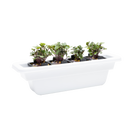
The nutrients found in your Rise Garden helps strengthen the immune system, support adrenals and reduce inflammation. Leafy greens, herbs, cauliflower, tomatoes, lettuces, rosemary, parsley, cilantro are a few examples of nutrient dense food that help support your wellness. When your produce is growing in your own home, it's a lot easier to grab off a pinch of this or that and incorporate that into your meals. In fact, hydroponically grown produce can contain up to 50% more vitamins than store-bought equivalents, meaning your garden is working double duty for your stress resilience. Vegetables and foods rich in omega 3 fatty acids help regulate cortisol levels in the body.
Here are a few additional steps to help you regulate stress:
- Choose foods that support your wellbeing will help you regulate stress.
- Before you eat, take a few long, slow deep breaths. Focus on each breath and it enters and leaves the body. This simple act helps you transition to your parasympathetic nervous state where you can rest and digest. Even just a couple breaths helps bring you to the present moment and combat anxiety.
- Smell your food. Eating a few bitter greens from your garden (like dandelion greens) will help bring mindfulness and attention to the present, and also boost digestion.
- Find other stress reduction techniques such as gardening, connecting to your food source, exercise, artwork, time outside in fresh air, music or journaling to help you process and move through emotions. Having fresh herbs and greens growing at home makes this easier — many calming herbs started from seed pods in a Rise Garden reach harvest maturity in as little as 21–28 days, so you're never far from a fresh, grounding harvest.
As you practice moving through emotions, rather than dismissing them, you'll strengthen your ability to process them in the future. As you take time to breathe, slow down, connect to good food and rest, you'll grow in your capacity to regulate your nervous system response.
Amy Tenney is a Rise Gardens Ambassador and Natural Health Practitioner.
Frequently Asked Questions
How does gardening help with stress and nervous system regulation?
Gardening — including indoor hydroponic gardening — activates the parasympathetic nervous system by engaging slow, mindful activities that shift focus away from digital stressors. Physical contact with plants has been shown in research to lower cortisol levels and reduce blood pressure. Even the simple act of watering or harvesting can serve as a meaningful mindful break.
What herbs can I grow at home that support the nervous system?
Calming herbs like lemon balm, chamomile, lavender, holy basil (tulsi), and mint have long been used in herbal wellness traditions to support nervous system health and reduce anxiety. All of these can be grown indoors in a Rise Gardens system and used fresh in teas or aromatherapy. Having these herbs growing at home puts natural nervous system support within arm's reach.
Can growing your own food reduce anxiety?
Multiple studies in horticultural therapy and environmental psychology suggest that gardening activities reduce anxiety, improve mood, and increase feelings of self-efficacy. The routines of planting, tending, and harvesting provide structure and a sense of accomplishment that combats the helplessness anxiety can create. Rise Gardens members regularly describe their garden as a calming daily anchor.
What is the connection between nutrition and stress resilience?
A diet rich in fresh vegetables, herbs, and antioxidants supports the body's physiological stress response by reducing inflammation and providing nutrients like magnesium, B vitamins, and vitamin C that are depleted during periods of chronic stress. Growing your own food with Rise Gardens ensures consistent access to fresh, nutrient-dense produce that directly supports stress resilience. Food grown at home and eaten fresh retains far more of these critical micronutrients than store-bought produce.