A Taste of Tradition
Banana peppers, also known as Hungarian wax peppers, have a storied history in home gardens. Their vibrant yellow hue and gentle spiciness have made them a beloved addition to a variety of culinary dishes.
From Seed to Plate
These compact plants yield an abundance of elongated fruits, ideal for pickling, stuffing, or providing a zesty kick to salads and sandwiches. As the pointed fruit transitions from green to a pale yellow, it signifies the perfect moment for harvest, ensuring optimal flavor and texture. Starting your peppers with quality seed pods gives them the best foundation for a productive indoor harvest.
Elevate Your Winter Dishes
As a valued Rise Gardens member, you now have the exclusive opportunity to cultivate this culinary delight right in the comfort of your own home. Imagine the delight of adding freshly harvested banana peppers to your winter recipes, infusing them with a burst of flavor and a touch of heat. Hydroponic systems use up to 95% less water than traditional soil gardening, making your indoor Rise Garden an efficient and sustainable way to keep fresh peppers on your table all season long.
Here are two recipes that incorporate Banana Pepper.
Banana Pepper and Cream Cheese Stuffed Chicken Breast

- Ingredients:
- 2 boneless, skinless chicken breasts
- 4 banana peppers, halved and seeds removed
- 4 oz cream cheese, softened
- 1/4 cup shredded cheddar cheese
- 2 cloves garlic, minced
- Salt and pepper to taste
- Olive oil for cooking
- Instructions:
- Preheat the oven to 375°F (190°C).
- In a bowl, combine the softened cream cheese, shredded cheddar cheese, minced garlic, salt, and pepper.
- Stuff each banana pepper half with the cream cheese mixture.
- Cut a slit horizontally into the side of each chicken breast to create a pocket.
- Stuff each chicken breast with two stuffed banana pepper halves.
- Heat a skillet over medium-high heat with a bit of olive oil. Sear the chicken breasts for about 2-3 minutes on each side until golden brown.
- Transfer the skillet to the preheated oven and bake for about 20-25 minutes, or until the chicken is cooked through.
- Serve hot and enjoy!
Spicy Banana Pepper Pasta
- Ingredients:
- 8 oz pasta (e.g., spaghetti or penne)
- 6 banana peppers, thinly sliced
- 3 cloves garlic, minced
- 1/4 cup olive oil
- 1/4 cup grated Parmesan cheese
- Red pepper flakes (adjust to taste)
- Salt and pepper to taste
- Fresh basil leaves for garnish (optional)
- Instructions:
- Cook the pasta according to package instructions. Drain and set aside.
- In a large skillet, heat the olive oil over medium heat. Add the minced garlic and sliced banana peppers. Sauté for about 3-4 minutes until the peppers are slightly softened.
- Toss in the cooked pasta and stir to combine. Add red pepper flakes, salt, and pepper to taste.
- Remove from heat and sprinkle grated Parmesan cheese over the pasta.
- Garnish with fresh basil leaves if desired.
- Serve hot and enjoy this spicy banana pepper pasta!
How Do Banana Peppers Support Your Winter Wellness?
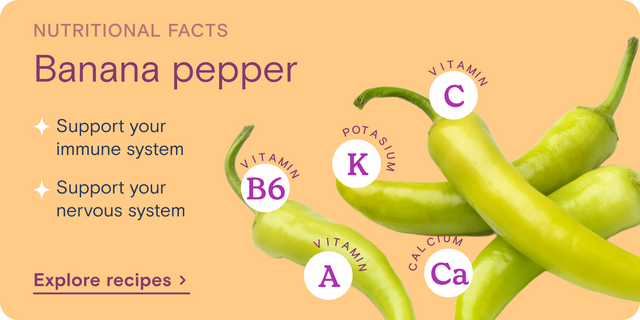
Banana peppers aren't just a flavorful addition to your meals; they also contribute to your overall winter wellness. Packed with essential nutrients like Vitamin C, Vitamin B6, and more, they play a vital role in supporting your immune and nervous systems, helping you stay strong and vibrant during the colder months. Research has shown that hydroponically grown produce can contain up to 50% more vitamins than store-bought equivalents, meaning the peppers you harvest from your indoor garden may deliver an even greater nutritional boost.
What Are the Nutritional Benefits of Banana Peppers?
Vitamin C: Boosts immune function and provides antioxidant protection.
Vitamin A: Essential for vision and skin health.
Vitamin B6: Supports nervous system function and aids in metabolism.
Potassium: Regulates blood pressure and supports heart health.
Calcium: Crucial for strong bones and teeth.
Incorporating banana peppers into your Rise Garden not only adds a burst of flavor to your dishes but also enhances your overall winter wellness. Pairing your plants with the right nutrients during the fruiting stage helps maximize both yield and nutritional value. Embrace this culinary companion and experience the vibrant benefits it brings to your table. Elevate your winter with the bold and tangy goodness of banana peppers.

Frequently Asked Questions
Can you grow banana peppers indoors during winter?
Yes, banana peppers grow beautifully indoors during winter in a hydroponic system with adequate full-spectrum LED lighting. Indoor growing removes seasonal limitations, allowing you to enjoy fresh banana peppers year-round regardless of outdoor temperatures.
How long do banana peppers take to grow hydroponically?
Banana peppers typically take 70 to 90 days from transplant to first harvest in a hydroponic system, with proper light and nutrient support. Using Rise Gardens' Blossom nutrients during the fruiting phase encourages larger, more flavorful peppers.
What are banana peppers best used for in cooking?
Banana peppers are mild and slightly tangy, making them excellent for pickling, topping pizzas and sandwiches, stuffing, or adding raw to salads. Their lower heat level compared to jalapeños makes them accessible for people who enjoy pepper flavor without intense spice.
How do you know when banana peppers are ready to harvest?
Banana peppers are ready to harvest when they reach three to four inches in length and display a pale yellow or red color depending on the variety. They should feel firm to the touch; leaving them on the plant longer will increase heat level but may reduce yield.