Sage, with its aromatic leaves and earthy flavor, has been enchanting palates for centuries. Originating from the Mediterranean region, this herb has a rich history intertwined with ancient traditions and herbal remedies. Its name, derived from the Latin word "salvare," meaning to heal or save, speaks to its esteemed place in both the culinary and medicinal worlds. According to the USDA's Agricultural Research Service, sage (Salvia officinalis) is among the most nutritionally dense culinary herbs, containing significant concentrations of vitamin K, antioxidants, and essential oils that contribute to its renowned medicinal profile.
Delightful Sage Recipes
Sage-Infused Butter for Gourmet Delights
Elevate your dishes with a touch of sage-infused butter. Simply melt a stick of butter in a saucepan, add a handful of fresh sage leaves, and let them gently simmer. The butter will absorb the herb's essence, creating a fragrant concoction perfect for drizzling over roasted vegetables or seared meats.
Roasted Butternut Squash with Sage and Pecans
This delectable recipe combines the nutty sweetness of butternut squash with the earthy warmth of sage. Toss cubed squash with olive oil, chopped sage leaves, and a sprinkle of salt. Roast until golden and tender. Finish with a generous handful of toasted pecans for a satisfying crunch.

How Does a Rise Garden Make Growing Sage Easier?
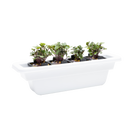
With a Rise Garden, cultivating sage becomes a breeze. Our hydroponic system provides the ideal environment for this herb to thrive year-round. Sage flourishes in the controlled conditions, producing leaves that burst with flavor and aroma. Research from Cornell University's Center for Controlled Environment Agriculture has found that hydroponically grown herbs can contain up to 50% more vitamins and beneficial compounds than their store-bought counterparts — meaning every sprig of sage you harvest is working harder for your recipes. Hydroponic systems also use up to 95% less water than traditional soil gardening, making your indoor herb garden as sustainable as it is convenient. Starting sage from our seed pods ensures you get a strong, healthy start right from the beginning.
Sage, with its ancient roots and versatile nature, holds a special place in the world of culinary delights. From infusing butter to enhancing roasted vegetables, its applications are as diverse as its rich history. And with a Rise Garden, you can have this culinary treasure at your fingertips, ready to elevate your dishes with its bold, aromatic flair. Embrace the magic of sage and embark on a flavorful journey that transcends time and tradition. Happy growing and savoring!
Frequently Asked Questions
Where does sage originally come from?
Sage (Salvia officinalis) is native to the Mediterranean region, particularly the coastal areas of the Adriatic Sea, where it has been cultivated for thousands of years for both culinary and medicinal purposes. The Romans considered it a sacred herb and used it in religious ceremonies, and the genus name Salvia comes from the Latin word 'salvere,' meaning to heal or to save. Its long history as a healing plant in European folk medicine contributed to its global spread as a culinary staple.
What does sage taste like?
Sage has a bold, earthy, slightly peppery flavor with distinct notes of pine, eucalyptus, and a subtle bitterness that becomes more complex when cooked. Fresh sage leaves have a more delicate, floral quality compared to dried sage, which is more intense and camphor-like. Growing your own sage in a Rise Garden gives you access to fresh leaves year-round, which are far more nuanced in flavor than the dried version found in spice jars.
Can you grow sage indoors in a hydroponic garden?
Sage can be grown indoors hydroponically, though it prefers slightly drier conditions than moisture-loving herbs like basil. In a Rise Garden, maintaining good air circulation and not allowing the roots to sit in excessively deep water produces the best results. Sage is a slow starter but becomes a prolific producer once established, providing harvests for months from a single planting.
What are the health benefits of sage?
Sage has a well-documented history as a medicinal herb with anti-inflammatory, antioxidant, and antimicrobial properties attributed to compounds like rosmarinic acid and carnosic acid. Research suggests that sage may support cognitive function, with some studies indicating benefits for memory and focus. It is also used in traditional medicine to soothe sore throats, support digestion, and reduce excessive sweating.