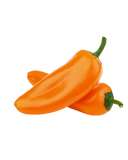
Dive into the Fiery World of Gochujang Peppers
Gochujang Peppers are a fiery addition to your culinary arsenal that brings depth and complexity to your dishes. Originating from Korea, these peppers have a rich history dating back centuries, where they've been prized for their bold flavor and unique spiciness. In your kitchen, Gochujang Peppers offer a tantalizing opportunity to explore the depths of Korean cuisine and unleash your creativity. Growing them at home in a Rise Garden means you can harvest fresh peppers year-round and bring that authentic flavor straight from plant to plate.
What Is the History Behind Gochujang Peppers?
Discover the fascinating heritage of Gochujang Peppers — Korean red chili peppers that form the base of gochujang, Korea's iconic fermented chili paste — where tradition meets innovation in the realm of Korean cooking. Used for centuries in Korean cuisine, these peppers have been a staple ingredient in dishes like kimchi, stews, and marinades. With their distinctive sweet, savory, and spicy profile, Gochujang Peppers add depth and complexity to a wide range of recipes, making them a beloved component of Korean culinary heritage. According to the USDA's Agricultural Research Service, peppers are among the most nutrient-dense vegetables you can grow, delivering high concentrations of vitamins A and C per serving.
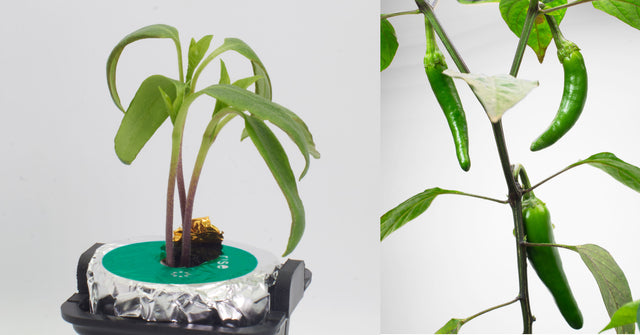
Embrace the Heat with Gochujang Pepper Recipes
Spicy Gochujang Chicken Stir-Fry
- Ingredients:
- 1 lb chicken breast, sliced
- 2 tablespoons Gochujang paste
- 2 tablespoons soy sauce
- 1 tablespoon sesame oil
- 2 cloves garlic, minced
- 1 tablespoon honey
- 1 bell pepper, sliced
- 1 onion, sliced
- Cooked rice, for serving
- Sesame seeds, for garnish
- Instructions:
- In a bowl, mix Gochujang paste, soy sauce, sesame oil, minced garlic, and honey to make the marinade.
- Marinate sliced chicken breast in the mixture for at least 30 minutes.
- Heat a skillet over medium heat and add marinated chicken, bell pepper, and onion.
- Stir-fry until the chicken is cooked through and the vegetables are tender.
- Serve over cooked rice and garnish with sesame seeds.
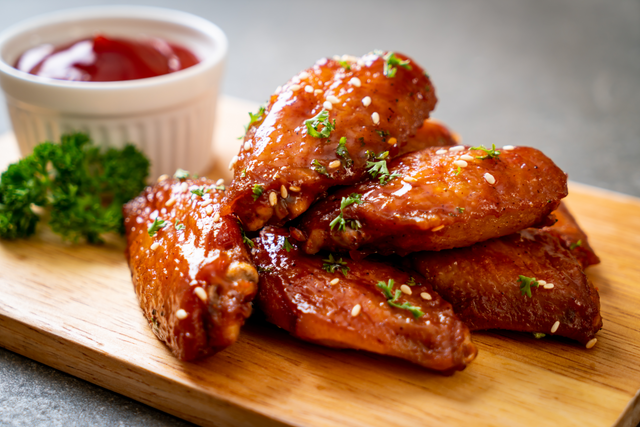
Gochujang Pepper Glazed Salmon
- Ingredients:
- 4 salmon fillets
- 3 tablespoons Gochujang paste
- 2 tablespoons soy sauce
- 2 tablespoons honey
- 1 tablespoon rice vinegar
- 2 cloves garlic, minced
- Sesame seeds, for garnish
- Sliced green onions, for garnish
- Instructions:
- In a bowl, mix Gochujang paste, soy sauce, honey, rice vinegar, and minced garlic to make the glaze.
- Brush the glaze over salmon fillets.
- Preheat the oven to 400°F (200°C) and bake salmon for 12-15 minutes, or until cooked through.
- Garnish with sesame seeds and sliced green onions before serving.
Embrace the bold flavors of Gochujang Peppers in your kitchen and elevate your culinary creations with the depth and complexity of Korean cuisine. Research from Cornell University's Center for Controlled Environment Agriculture confirms that hydroponically grown peppers benefit from consistent nutrient delivery — hydroponic systems use up to 95% less water than traditional soil gardening, making them an efficient and sustainable way to grow your own ingredients at home. Starting your peppers from quality seed pods gives you a strong head start and ensures reliable germination for a thriving harvest. Happy cooking and savoring!

Frequently Asked Questions
Can you grow gochujang peppers in an indoor hydroponic garden?
Yes — gochujang peppers (also called Korean red peppers) can be grown indoors in a hydroponic system with adequate light intensity and duration. They require hand pollination indoors and prefer slightly warmer temperatures around 70–80°F for best fruit set.
What makes gochujang peppers unique compared to other chili varieties?
Gochujang peppers have a distinctive flavor profile that is moderately spicy but also slightly sweet and deeply fruity, making them the essential ingredient in Korean fermented chili paste (gochujang) as well as in countless Korean dishes. Their thick flesh and relatively low heat level compared to cayenne make them versatile for both fresh and cooked applications.
How long does it take to grow peppers to harvest in a Rise Garden?
Most pepper varieties take 70–100 days from transplanting to first harvest in a hydroponic system, with gochujang types on the longer end of that range due to their thick-walled fruit. Consistent 16–18 hour daily light cycles and regular nutrient feeding are the most important factors in getting a full, timely harvest.
How do I use fresh homegrown peppers in Korean-inspired cooking?
Fresh gochujang peppers can be sliced into bibimbap, Korean BBQ wraps, or tteokbokki for direct heat and flavor, or roasted and blended into homemade gochujang paste. Even milder homegrown peppers can be pickled in a quick brine of vinegar, sugar, and salt for a versatile condiment ready in 24 hours.