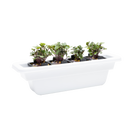
This hydroponic herb compound butter roasted cauliflower steak recipe transforms a humble head of cauliflower into a showstopping centerpiece — and the secret is the herb-packed compound butter made entirely from fresh herbs you grow indoors. A cauliflower steak is a thick cross-section slab cut from the center of a whole cauliflower head, roasted at high heat until golden, caramelized, and deeply savory. When you brush it with a homemade herb butter loaded with rosemary, thyme, chives, and parsley — all snipped fresh from your own hydroponic garden — the result is something restaurant-worthy that comes together in under 45 minutes.
Why Hydroponic Herbs Make This Cauliflower Steak Recipe Exceptional
Flavor starts at the root level. Herbs grown hydroponically — meaning in a nutrient-rich water solution without soil — consistently produce leaves with higher concentrations of essential oils compared to conventionally grown counterparts. A study from the University of Mississippi found that hydroponically grown basil contained measurably higher levels of volatile aromatic compounds, the very molecules responsible for that punchy, garden-fresh flavor you want in a compound butter.
Hydroponically grown herbs also come to harvest faster. Most herbs like thyme and parsley reach a snippable size within 3 to 4 weeks in an indoor system, compared to 6 to 10 weeks in outdoor soil gardens. That means fresh rosemary for your herb butter cauliflower steak is never more than a few weeks away, regardless of the season or where you live.
When you grow your own herbs using a system like Personal Garden — a compact countertop hydroponic garden — you control every variable: light spectrum, water pH (ideally kept between 5.5 and 6.5 for herbs), and nutrient delivery. The result is predictably vibrant, intensely flavored herbs that supermarket bundles simply cannot match.
What Is a Compound Butter and How Do You Make It with Hydroponic Herbs?
Compound butter is softened butter blended with aromatics, herbs, spices, or other flavor-forward ingredients, then re-chilled into a log or block until firm. It is one of the oldest finishing techniques in French cuisine, used to layer complex flavor onto roasted vegetables, grilled proteins, and warm bread. For this hydroponic herbs recipe, you will build the compound butter around four core herbs that grow exceptionally well in indoor hydroponic gardens.
Compound Butter Ingredients:
- 1 stick (8 tablespoons) unsalted butter, softened to room temperature
- 2 tablespoons fresh flat-leaf parsley, finely chopped
- 1 tablespoon fresh thyme leaves, stripped from stems
- 1 tablespoon fresh chives, thinly sliced
- 1 teaspoon fresh rosemary, very finely minced
- 2 garlic cloves, minced or pressed
- 1 teaspoon lemon zest
- ½ teaspoon flaky sea salt
- ¼ teaspoon freshly cracked black pepper
Method: In a medium bowl, combine all ingredients with the softened butter. Mix thoroughly with a fork or rubber spatula until the herbs are evenly distributed throughout. Spoon the mixture onto a sheet of plastic wrap, roll it into a tight cylinder about 1.5 inches in diameter, and twist the ends closed. Refrigerate for at least 30 minutes, or freeze for up to 3 months.
Pro tip: taste the butter before rolling. Hydroponic herbs are often more potent than store-bought, so you may want to adjust quantities. Rosemary especially can dominate — start conservatively and add more to taste.
Step-by-Step: Roasted Cauliflower Steak with Herb Butter
Once your compound butter is chilled, the rest of this indoor garden cauliflower steak recipe moves quickly. The key to a perfect cauliflower steak is high heat, proper searing, and patience — do not move the cauliflower once it hits the pan.
Ingredients (serves 2-4):
- 1 large head of cauliflower
- 3 tablespoons olive oil
- 1 teaspoon smoked paprika
- ½ teaspoon ground cumin
- Salt and black pepper to taste
- 4 tablespoons herb compound butter (from the recipe above)
- Optional garnish: fresh chive blossoms or microgreens from your indoor garden
Instructions:
- Preheat your oven to 425°F (220°C). Place a large oven-safe cast iron skillet or heavy baking sheet inside the oven as it preheats — a hot surface gives you immediate sear contact.
- Cut the cauliflower steaks. Remove the outer leaves but keep the core intact. Stand the cauliflower upright and slice two 1-inch thick steaks from the center. You will have florets left over — roast those alongside the steaks or save them for another use.
- Season the steaks. Brush both sides generously with olive oil. Mix the smoked paprika, cumin, salt, and pepper, then sprinkle evenly over both sides.
- Sear the steaks. Carefully remove the hot skillet from the oven using heavy oven mitts. Place it on the stovetop over medium-high heat. Lay the cauliflower steaks flat in the pan — they should sizzle immediately. Sear for 3 minutes without moving.
- Transfer to the oven. Flip the steaks gently, then slide the entire skillet into the preheated oven. Roast for 18 to 22 minutes, until the edges are deeply golden and the thickest part of the core is tender when pierced with a knife.
- Finish with herb butter. Remove the skillet from the oven. Immediately slice two rounds of compound butter (about 1 tablespoon each) and place one on top of each steak. Let the butter melt over the surface for 60 to 90 seconds before plating.
- Plate and garnish. Transfer to warm plates and spoon any pooled herb butter from the pan over the top. Garnish with fresh chives or microgreens if available.
Which Herbs Should You Grow in Your Indoor Garden for This Recipe?
Not all herbs perform equally in hydroponic systems, and for this herb butter cauliflower steak, you want herbs that produce abundant, flavorful leaves on a reliable schedule. Here are the four best performers for this specific recipe — all available as seed pods designed specifically for Rise Gardens systems.
Flat-Leaf Parsley: The backbone of the compound butter. Parsley thrives in hydroponic environments with a pH between 6.0 and 7.0 and produces harvestable leaves within 3 to 4 weeks. It has a clean, grassy flavor that brightens the richness of the butter without overpowering the cauliflower.
Thyme: A Mediterranean herb that grows compactly and consistently indoors. Thyme's earthy, slightly floral notes are classic with roasted vegetables. Harvest frequently to prevent woodiness — snip from the top 3 to 4 inches of each stem.
Chives: One of the fastest-growing herbs in a hydroponic garden, reaching snip-ready height in as little as 2 to 3 weeks. Their mild onion flavor adds brightness and color, and chive blossoms (if your plants flower) make a gorgeous garnish.
Rosemary: The most assertive herb in this recipe. Rosemary is slower to establish in hydroponic systems — expect 4 to 6 weeks before your first meaningful harvest — but once it gets going, it is prolific. Keep the nutrient solution EC (electrical conductivity) between 1.0 and 1.6 mS/cm for best results.
To keep all four of these herbs thriving simultaneously, a multi-pod system like The Rise Garden 3 gives you the space to grow them together with dedicated lighting for each level. Consistent feeding with the right nutrients ensures your herbs hit peak flavor right when you need them.
How Does Growing Your Own Herbs Indoors Change the Way You Cook?
Having a living herb garden in your kitchen — not a bunch of cut herbs slowly wilting in your crisper drawer — fundamentally changes your relationship with cooking. According to the USDA Economic Research Service, Americans discard approximately 30 to 40 percent of the food supply, and fresh herbs are among the most frequently wasted grocery items due to their short shelf life after cutting.
When herbs are growing in a hydroponic system on your counter or in your living space, you harvest exactly what you need, exactly when you need it. There is no waste, no wilted parsley, no half-used thyme bundle forgotten in the back of the refrigerator. NASA research on the Veggie project — which studied plant growth aboard the International Space Station — demonstrated that growing plants in controlled indoor environments using hydroponic methods produces consistent, predictable yields with significantly less water than traditional soil gardening, using up to 90 percent less water than conventional agriculture.
That kind of reliability matters in cooking. When you know your chives will be ready in two weeks, you plan recipes around them. You become a more intentional, less wasteful cook — and meals like this hydroponic herb compound butter roasted cauliflower steak recipe stop feeling like a special occasion and start feeling like Tuesday dinner.
For home cooks who want a premium indoor growing experience with furniture-grade design that fits into a modern living space, The Rise Loft offers a beautiful solution — a full indoor garden system built to look as good as it grows.
Serving Suggestions and Storage Tips
A well-executed herb butter cauliflower steak is substantial enough to serve as a main course for two people or as a striking side dish for four. Here are a few ways to round out the plate:
- Grain base: Serve over a bed of farro, freekeh, or lemon herb couscous to absorb the melted herb butter pooling around the steak.
- Creamy element: A smear of whipped ricotta, labneh, or tahini sauce on the plate before plating the steak adds contrast and richness.
- Acidic finish: A squeeze of fresh lemon juice or a drizzle of pomegranate molasses over the finished dish cuts through the butter and brightens every flavor.
- Protein pairing: For non-vegetarian tables, this cauliflower steak makes an exceptional side alongside pan-seared salmon or roasted chicken thighs.
Storage: Leftover roasted cauliflower steaks keep well in an airtight container in the refrigerator for up to 3 days. Reheat in a 375°F oven for 8 to 10 minutes to restore some of the caramelized texture — avoid the microwave, which softens the sear. The compound butter log, tightly wrapped, keeps in the refrigerator for 2 weeks or frozen for up to 3 months. Use it on roasted carrots, grilled corn, warm bread, or pasta for an instant flavor upgrade.
FAQ: Hydroponic Herb Compound Butter Cauliflower Steak
Q: Can I use dried herbs instead of fresh hydroponic herbs in the compound butter?
You can, but the flavor difference is significant. Dried herbs have lost their volatile aromatic oils and produce a muted, sometimes dusty flavor compared to fresh. If you must substitute, use one-third the quantity called for (so 1 teaspoon dried for every 1 tablespoon fresh). For the best possible herb butter cauliflower steak, fresh herbs — ideally cut moments before mixing — are strongly recommended.
Q: My cauliflower steak keeps falling apart when I cut it. What am I doing wrong?
The most common cause is cutting the steak too thin or removing the core. The core is the structural anchor — make sure it runs through the center of each slice. Cut your steaks at least 1 inch thick, keep the core intact, and handle them gently when flipping. A wide, flat spatula (or two spatulas used together) helps prevent breakage during the flip.
Q: What is the ideal pH for growing thyme and rosemary in a hydroponic system?
Thyme performs best at a pH between 5.5 and 7.0, with an ideal sweet spot around 6.0 to 6.5. Rosemary prefers a slightly tighter range of 5.5 to 6.5. Keeping pH in these ranges ensures your plants can absorb all available nutrients from the solution. Rise Gardens nutrient formulas are designed to work within these ranges, and the system's water reservoir makes pH monitoring straightforward even for new growers.
Q: How many herb seed pods do I need to keep a steady supply for cooking?
For consistent cooking use, plan on at least 2 pods per herb variety you want to harvest regularly. Stagger your planting by 2 to 3 weeks — start a second pod as soon as the first one reaches harvestable size. This succession planting method ensures you always have mature herbs available and are never waiting on a single plant to recover after a heavy harvest. With a multi-level system, you can run 8 to 12 herb pods simultaneously for a fully stocked indoor kitchen garden.