The hydroponic herb compound butter roasted portobello mushroom burger is exactly what it sounds like: a showstopping vegetarian burger built around a juicy, oven-roasted portobello cap slathered in a rich, herb-loaded compound butter made from herbs you grew yourself indoors. Compound butter is simply softened butter blended with fresh aromatics — in this case, herbs like thyme, rosemary, chives, and parsley — then chilled until firm and melted over hot food for instant, restaurant-quality flavor. When those herbs come straight from your own hydroponic garden, the difference in brightness and intensity is unmistakable. This indoor garden burger recipe is a celebration of what's possible when you grow your own ingredients year-round, no matter the season or the size of your kitchen.
Why Hydroponic Herbs Make This Fresh Herb Mushroom Burger Exceptional
The flavor gap between store-bought herbs and freshly harvested hydroponic herbs is measurable, not just anecdotal. Herbs begin losing volatile aromatic compounds — the molecules responsible for flavor and fragrance — within hours of harvest. Research published by the USDA Agricultural Research Service has documented that fresh-cut herbs can lose up to 30% of their essential oil content within 24 hours of cutting, and grocery store herbs may travel 4–7 days from farm to shelf before reaching your kitchen.
Hydroponic herbs, by contrast, are harvested at peak maturity and used immediately. In a hydroponic system, plants grow in a nutrient-rich water solution — no soil required — with roots bathed directly in oxygenated water containing precisely balanced nutrients. This method allows for 30–50% faster plant growth compared to traditional soil gardening, according to a review by researchers at the University of Arizona's Controlled Environment Agriculture Center. Faster growth means more frequent harvests, which means you always have the freshest possible thyme, rosemary, and chives ready when a recipe calls for them.
For this recipe, the four herbs doing the heavy lifting in the compound butter are: fresh thyme (earthy, slightly floral), fresh rosemary (piney, resinous), fresh chives (mild onion), and flat-leaf parsley (bright, clean). All four are straightforward to grow indoors using seed pods in a countertop or full-size system, and all four thrive in the stable, controlled conditions that hydroponic setups provide.
Setting Up Your Indoor Garden for This Recipe
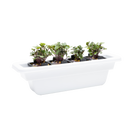
You don't need a lot of space to grow enough fresh herbs for this burger and dozens of meals like it. A compact setup like the Personal Garden fits on a countertop and holds enough pods to grow thyme, rosemary, chives, and parsley simultaneously. For households that cook with herbs regularly or want to grow beyond just herbs into lettuces and peppers, the The Rise Garden 3 offers a full-size, multi-tier hydroponic garden system that supports a much larger plant count while still fitting neatly inside a home.
Getting your herbs to harvest-ready status takes roughly 3–5 weeks from seed germination, depending on the variety. Here's what to keep in mind as they grow:
- Light: Rise Gardens systems use full-spectrum LED grow lights tuned to the wavelengths plants actually use for photosynthesis. Herbs generally need 14–16 hours of light per day.
- Nutrients: Hydroponic plants get everything they need from the water solution. Use a balanced hydroponic nutrients formula and follow the recommended dosing schedule. Nutrient levels are measured in EC (electrical conductivity) — a way of quantifying the concentration of dissolved minerals in your water. Herbs do best at an EC between 1.0 and 1.6 mS/cm.
- pH: pH measures how acidic or alkaline your water solution is. Hydroponic herbs prefer a pH of 5.5–6.5 — slightly acidic — to maximize nutrient absorption. Outside this range, plants can't take up nutrients efficiently even if they're present in the water.
- Harvesting: Snip stems in the morning for peak flavor. Never remove more than one-third of the plant at a time so it continues producing.
If you want a setup that brings serious aesthetic value to your living space alongside its growing capabilities, The Rise Loft is a premium indoor garden with furniture-grade design — it functions as both a fully operational hydroponic system and a statement piece you'd be proud to display in any room.
The Complete Hydroponic Herb Compound Butter Roasted Portobello Mushroom Burger Recipe
This recipe serves 4 and takes about 45 minutes from start to finish, assuming your compound butter is made and chilled ahead of time (which takes about 20 minutes of active work plus 1 hour of chilling).
Ingredients
For the herb compound butter:
- 1 stick (8 tbsp / 113g) unsalted butter, softened to room temperature
- 1 tbsp fresh thyme leaves, finely chopped
- 1 tbsp fresh rosemary, finely minced
- 2 tbsp fresh chives, thinly sliced
- 2 tbsp fresh flat-leaf parsley, finely chopped
- 2 garlic cloves, minced or pressed
- 1 tsp lemon zest
- ½ tsp flaky sea salt
- ¼ tsp black pepper
For the burger:
- 4 large portobello mushroom caps (approximately 4–5 inches in diameter), stems and gills removed
- 3 tbsp olive oil
- 2 tbsp balsamic vinegar
- 1 tsp soy sauce or tamari
- Salt and pepper to taste
- 4 brioche or ciabatta buns, toasted
- 4 slices of fontina or gruyère cheese (optional but strongly recommended)
- For serving: arugula, sliced heirloom tomato, caramelized onions, whole-grain dijon mustard, or garlic aioli
Instructions
Step 1 — Make the compound butter. In a small bowl, combine the softened butter with all the herbs, garlic, lemon zest, salt, and pepper. Mix thoroughly with a fork until fully incorporated. Turn the mixture out onto a sheet of plastic wrap, roll it into a log shape, twist the ends tightly, and refrigerate for at least 1 hour (or up to 5 days). The butter can also be frozen for up to 3 months.
Step 2 — Marinate the portobellos. Whisk together the olive oil, balsamic vinegar, and soy sauce. Place the portobello caps gill-side up in a shallow dish and pour the marinade over them. Let them sit for 20–30 minutes at room temperature, turning once halfway through. Portobellos are remarkably porous and absorb marinade quickly — don't marinate longer than 45 minutes or they become waterlogged.
Step 3 — Roast the mushrooms. Preheat your oven to 425°F (220°C). Place the marinated portobellos gill-side up on a rimmed baking sheet lined with parchment paper. Season lightly with salt and pepper. Roast for 15–18 minutes, until the caps are tender, deeply browned at the edges, and have released most of their liquid. If using cheese, lay a slice on each cap during the last 2 minutes of roasting.
Step 4 — Add the compound butter. Remove the mushrooms from the oven immediately. Slice a generous round (about ½ inch thick) of the chilled herb compound butter and place it directly on top of each hot mushroom cap. Let it melt naturally for about 60 seconds — it should pool slightly into the gills and coat the surface. This is the moment that separates this burger from every other mushroom burger you've had.
Step 5 — Assemble and serve. Toast your buns cut-side down in a skillet with a small amount of butter for 1–2 minutes. Layer arugula on the bottom bun, place the compound butter-glazed portobello on top, add your toppings, and close with the top bun. Serve immediately.
What Does Hydroponics Have to Do With Burger Flavor?
This is a fair question, and the answer is more concrete than you might expect. Plants grown hydroponically in controlled indoor environments are not subject to the variables that affect outdoor crops — inconsistent rainfall, temperature swings, soil pH fluctuations, and pest pressure that triggers chemical defenses in the plant. In a dialed-in hydroponic setup, plants can direct more energy toward producing the secondary metabolites responsible for flavor: the terpenes in thyme and rosemary, the sulfur compounds in chives, the chlorophyll-adjacent pigments in parsley.
NASA's Veggie project, which has been growing food aboard the International Space Station since 2014, demonstrated that hydroponically grown leafy greens produced in controlled environments are both safe to eat and nutritionally comparable to Earth-grown equivalents — validating the basic premise that you don't need soil or outdoor conditions to grow high-quality, flavorful food. If the technology works 250 miles above Earth, it works in your kitchen.
The hydroponic herbs vegetarian recipe approach also gives you flexibility that grocery shopping never will. You can harvest exactly 1 tablespoon of thyme and leave the rest of the plant growing. You can try less common varieties — lemon thyme, purple basil, garlic chives — that simply aren't available in most supermarkets. That culinary control translates directly into food that tastes more intentional and more alive.
Tips for Getting the Most Out of This Indoor Garden Burger Recipe Year-Round
One of the defining advantages of growing herbs hydroponically indoors is seasonlessness. There's no waiting for spring. There's no hard frost to worry about. Your thyme grows in February the same way it grows in July. That means this fresh herb mushroom burger can be on your table any night of the year.
A few practical tips for keeping your herb garden continuously productive:
- Stagger your plantings. Instead of planting all four herbs at once, start a new pod every 2–3 weeks. This gives you a rolling harvest rather than a feast-or-famine cycle.
- Woody herbs like rosemary and thyme grow more slowly than soft herbs like chives and parsley. If you use chives frequently, plant two pods of chives for every one pod of rosemary.
- Compound butter is a freezer staple. Every time you have a bumper harvest of herbs, make a batch of compound butter and freeze it. You'll always have a flavor upgrade on hand for mushrooms, pasta, grilled bread, or eggs.
- Portobello selection matters. Look for caps that are firm, dry (not slimy), uniformly dark brown, and free of soft spots. The larger the cap, the more surface area you have to work with.
Frequently Asked Questions
Can I use dried herbs instead of fresh hydroponic herbs in the compound butter?
You can, but the result will be significantly less vibrant. Dried herbs are more concentrated by weight — use about one-third the amount called for — but they lack the volatile aromatic oils that make fresh herbs so bright and complex. For compound butter specifically, fresh herbs provide a color and fragrance that dried herbs simply can't replicate. If this recipe inspires you to grow your own, your first fresh herb butter will make the difference obvious.
How do I store leftover compound butter?
Wrap it tightly in plastic wrap or store it in an airtight container. Refrigerated, it keeps for up to 5 days. Frozen in a sealed bag, it lasts up to 3 months. Slice off rounds directly from frozen — no need to thaw the whole log. Compound butter made with fresh hydroponic herbs freezes exceptionally well because the high moisture content of fresh herbs is locked in before it can evaporate.
What hydroponic herbs grow fastest for someone who wants to try this recipe quickly?
Chives and parsley are typically ready to harvest within 3–4 weeks of germination in a hydroponic system. Thyme takes 4–6 weeks. Rosemary is the slowest of the four, often requiring 5–8 weeks before it has enough growth to harvest without stressing the plant. If you want to make this recipe as soon as possible, start all four varieties simultaneously, harvest from the chives and parsley first, and let the thyme and rosemary develop a bit longer before cutting.
Is a portobello mushroom burger actually filling enough to satisfy meat eaters?
Yes — and the compound butter is a big part of why. Portobello mushrooms contain glutamates, the same naturally occurring compounds responsible for the savory, meaty quality of beef. The USDA lists a 100g portobello cap at approximately 3g of protein, but the satisfaction factor comes more from its dense, chewy texture and deep umami flavor than from macronutrients alone. When you add the richness of herb compound butter and the weight of good toppings on a toasted brioche bun, this burger competes directly with its meat counterparts on every sensory level.