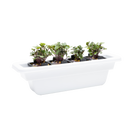
There is a reason mashed potatoes are one of the most beloved side dishes in American cooking — but the version you have been making might be missing one transformative element. This recipe for hydroponic herb compound butter roasted garlic mashed potatoes takes a classic comfort dish and elevates it with fresh, intensely flavored herbs grown right on your kitchen counter or in your living room. Compound butter is a mixture of softened butter blended with aromatics, herbs, and seasonings, and when you fold it into silky roasted garlic mashed potatoes, the result is something genuinely extraordinary. Growing those herbs hydroponically — meaning in a water-based system without soil — means you have access to peak-freshness chives, thyme, rosemary, and parsley 365 days a year, no garden bed or outdoor space required.
Why Hydroponic Herbs Make the Best Mashed Potatoes
The difference between dried herbs from a jar and fresh herbs pulled minutes before cooking is not subtle. Fresh herbs contain volatile aromatic compounds — the oils responsible for flavor and fragrance — that begin degrading the moment a plant is harvested. A study published by researchers at the University of California found that fresh-cut herbs can lose up to 40% of their key volatile compounds within 24 hours of harvest when stored at room temperature. When you grow herbs in an indoor hydroponic garden, you harvest them at the exact moment you need them, which means zero loss in potency.
Hydroponics also tends to produce herbs with concentrated flavor. Because the plant receives a precisely calibrated nutrient solution — water enriched with macro and micronutrients like nitrogen, phosphorus, potassium, calcium, and magnesium — it puts more energy into leaf production and aromatic oil development rather than struggling to find nutrition in variable soil. The result is basil that tastes more like basil, thyme that smells like a Provençal hillside, and chives with a clean, sharp bite that dried versions simply cannot replicate.
For an indoor garden mashed potatoes upgrade that genuinely impresses, nothing competes with herbs harvested two minutes before they go into the butter.
What Herbs Should You Grow for This Recipe?
For this fresh herb mashed potatoes recipe, you want a combination of herbs that complement the richness of butter and roasted garlic without overpowering the potato. Here is the lineup that works best and thrives in a home hydroponic system:
- Chives: Mild onion flavor with a bright green color. Chives grow quickly in hydroponics — often ready to harvest within 3–4 weeks of starting from seed pods — and they regenerate fast after cutting.
- Flat-leaf parsley: Adds freshness and a slightly peppery note that cuts through the richness of butter and cream.
- Fresh thyme: Earthy and slightly floral. Strip the leaves from the stems before adding to your compound butter.
- Rosemary: Use sparingly — a small amount adds a piney, resinous depth. Finely mince the leaves so no large pieces end up in the finished dish.
All four of these herbs grow exceptionally well in an indoor hydroponic system. If you are new to growing your own, the Personal Garden is a compact countertop system that fits easily on a kitchen counter and can grow up to 12 plants at once, making it a practical and space-efficient choice for a dedicated herb setup.
How to Make Herb Compound Butter for Mashed Potatoes
Compound butter is the secret weapon in this recipe. Making it takes about 10 minutes, and you can prepare it up to two weeks ahead and store it in the refrigerator, or freeze it for up to three months.
Ingredients for the Herb Compound Butter
- 1 stick (½ cup / 113g) unsalted butter, at room temperature
- 2 tablespoons fresh chives, finely minced
- 1 tablespoon flat-leaf parsley, finely minced
- 1 teaspoon fresh thyme leaves
- ½ teaspoon fresh rosemary, very finely minced
- ½ teaspoon flaky sea salt
- ¼ teaspoon freshly ground black pepper
- 1 teaspoon lemon zest (optional, adds brightness)
Method
- Allow butter to sit at room temperature for 30–45 minutes until fully softened.
- Harvest your herbs from your indoor garden and mince them finely on a clean cutting board.
- In a bowl, combine softened butter with all herbs, salt, pepper, and lemon zest. Mix thoroughly with a fork or rubber spatula until everything is evenly incorporated.
- Spoon the compound butter onto a sheet of plastic wrap or parchment paper, roll into a log shape, and refrigerate until firm.
When you are ready to make the mashed potatoes, slice off rounds of the compound butter and fold them directly into the hot mashed potatoes. The herbs are already distributed throughout the butter, so every bite gets an even distribution of flavor.
The Full Roasted Garlic Mashed Potatoes Recipe
This is the complete hydroponic herb side dish recipe — a dish worthy of a holiday table but simple enough for a weeknight dinner.
Ingredients
- 3 pounds Yukon Gold potatoes, peeled and cut into 2-inch chunks
- 1 whole head of garlic
- 2 tablespoons olive oil
- ½ cup heavy cream or whole milk, warmed
- 4 tablespoons herb compound butter (from recipe above), plus more for topping
- 1 teaspoon kosher salt, plus more to taste
- Fresh chives and parsley for garnish
Instructions
- Roast the garlic: Preheat your oven to 400°F (200°C). Slice the top off a whole head of garlic to expose the cloves. Drizzle with olive oil, wrap tightly in foil, and roast for 40–45 minutes until the cloves are golden, soft, and fragrant. Allow to cool slightly, then squeeze the cloves out of their skins into a small bowl and mash into a paste with a fork.
- Cook the potatoes: Place potato chunks in a large pot and cover with cold, salted water. Bring to a boil over high heat, then reduce to a steady simmer. Cook for 15–18 minutes until a fork slides through the potato with no resistance. Drain thoroughly and return to the hot pot for 1–2 minutes over low heat to evaporate any remaining moisture.
- Mash and combine: Rice the potatoes using a potato ricer, or mash with a hand masher for a slightly chunkier texture. Add the roasted garlic paste and stir to combine. Fold in the warm cream in two additions, then add the sliced rounds of herb compound butter. Stir gently until the butter is fully melted and incorporated. Taste and adjust salt.
- Serve: Transfer to a serving bowl. Top with an additional pat of compound butter and a generous handful of freshly snipped chives and parsley from your garden.
Serves 6–8 as a side dish. Total active time: approximately 30 minutes. Total time including garlic roasting: about 1 hour.
Does Growing Herbs Indoors Hydroponically Actually Taste Different?
The short answer is yes — and science backs it up. According to research supported by the NASA Veggie project, which has studied plant growth in controlled environments since the 1980s, plants grown in optimized hydroponic conditions produce measurably higher concentrations of chlorophyll and secondary metabolites, including the aromatic compounds responsible for flavor, compared to soil-grown counterparts in non-optimized conditions. NASA's interest in hydroponics began with the practical need to grow food in space, but the findings have broad implications for indoor gardening at home.
The USDA reports that Americans spend an average of $3.7 billion annually on fresh herbs at retail — and a significant portion of those purchases go to waste because store-bought herbs deteriorate quickly after purchase. Growing your own in a hydroponic system eliminates that waste entirely. You harvest exactly what you need, when you need it.
For a setup that supports serious cooking and looks beautiful doing it, The Rise Loft is a premium indoor garden with furniture-grade design that integrates into your home as a functional piece of decor while producing an abundance of herbs, greens, and vegetables year-round. If you want a larger growing capacity across multiple tiers, The Rise Garden 3 is a full-size indoor hydroponic garden system that can accommodate dozens of plants simultaneously — enough to keep your kitchen stocked with every herb this recipe calls for and then some.
Maintaining your plants is straightforward when you use the right nutrients formulated specifically for hydroponic growing. Proper EC (electrical conductivity) and pH levels — typically a pH of 5.5–6.5 and an EC of 1.2–2.0 mS/cm for herbs — ensure your plants stay healthy and productive throughout the season.
How to Scale This Recipe and Make It Your Own
One of the best qualities of compound butter is its flexibility. Once you understand the base formula — roughly 1 tablespoon of mixed fresh herbs per 2 tablespoons of butter — you can customize it endlessly based on what is thriving in your indoor garden at any given time.
Some variations worth trying:
- Tarragon and chive: Classic French combination. Tarragon has an anise-like flavor that pairs beautifully with cream and potato.
- Basil and lemon: Bright and summery. Use a generous amount of fresh basil with lemon zest and a pinch of red pepper flake.
- Sage and brown butter: Brown the butter before making the compound for a nutty, caramelized base note. Add minced fresh sage and a little garlic.
For meal planning, make a double or triple batch of compound butter and keep it in the freezer. Slice off rounds as needed for mashed potatoes, roasted vegetables, grilled proteins, or spreading on warm bread. A single batch of herb compound butter contains roughly 800 calories total and can serve 6–8 people generously when incorporated into this mashed potato recipe — making the cost per serving extremely low compared to purchasing pre-made flavored butters at specialty grocery stores.
Frequently Asked Questions
Can I use dried herbs instead of fresh hydroponic herbs in this recipe?
You can use dried herbs in a pinch, but the flavor profile will be noticeably less vibrant. Dried herbs have lost most of their volatile aromatic oils and can add a slightly dusty or muted quality to compound butter. If substituting, use roughly one-third the amount of dried herb for every tablespoon of fresh herb called for — so 1 teaspoon of dried thyme in place of 1 tablespoon fresh. Fresh herbs grown hydroponically produce the best result because they are harvested at peak potency.
How long does herb compound butter last, and how should I store it?
Herb compound butter wrapped tightly in plastic wrap or stored in an airtight container will keep in the refrigerator for up to 2 weeks. For longer storage, freeze it for up to 3 months. Slice the frozen log into rounds and return unused portions to the freezer — you can go directly from freezer to hot mashed potatoes without thawing.
What type of potatoes work best for this mashed potato recipe?
Yukon Gold potatoes are the top choice for creamy, buttery mashed potatoes because their naturally waxy-but-not-too-starchy texture yields a smooth, cohesive mash that holds up well to rich mix-ins like compound butter and roasted garlic. Russet potatoes also work and produce a fluffier, lighter texture. Avoid red potatoes for this application — their waxy texture and thin skins make them better suited for dishes where you want the potato to hold its shape.
What hydroponic herbs grow fastest for cooking use?
Chives, basil, and cilantro are among the fastest-growing herbs in a hydroponic system, typically reaching harvestable size within 3–5 weeks from seed. Parsley takes slightly longer at 5–7 weeks. Rosemary and thyme are slower to establish but extremely productive once mature — a single thyme plant can provide harvests continuously for many months. Starting with seed pods designed for hydroponic growing ensures the best germination rates and fastest growth times.