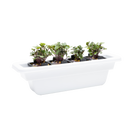
If you've never made hydroponic herb compound butter roasted chicken wings, you're about to level up your wing game in a serious way. Compound butter — a classic French technique of blending softened butter with fresh herbs, aromatics, and seasonings — transforms ordinary roasted wings into something deeply flavorful and fragrant. When that butter is packed with herbs you've grown yourself in a hydroponic indoor garden, the difference is remarkable. Hydroponically grown herbs are cultivated without soil, with roots fed directly by a nutrient-rich water solution in a controlled indoor environment, which means you get intensely aromatic, fresh-cut herbs year-round — not the wilted grocery store bunch that sat in a truck for three days. This recipe brings those two worlds together: precision growing meets serious home cooking.
Why Hydroponic Herbs Make Better Compound Butter
The backbone of this recipe is the compound butter, and the quality of your herbs is everything. Hydroponic herbs consistently outperform field-grown counterparts in a few measurable ways. A study from the University of Mississippi found that hydroponically grown basil contained up to 20% higher concentrations of essential oils compared to soil-grown basil under equivalent light conditions — and essential oils are exactly what give herbs their aroma and flavor punch.
Beyond flavor, there's the freshness factor. When you're growing herbs indoors with a system like The Rise Garden 3, you snip what you need seconds before it goes into the butter. No oxidation, no wilting, no loss of volatile aromatics. The herbs in your compound butter are, by definition, at peak potency the moment they hit the softened butter.
Hydroponics also gives you control. Because the plants are fed precise amounts of water and nutrients in a closed system, you can maintain consistent growing conditions that support vigorous, flavorful herb production 365 days a year. That's not something a backyard herb patch can promise in January.
The Best Hydroponic Herbs for Roasted Chicken Wings
Not every herb works equally well in a high-heat roasting situation. Compound butter acts as a protective fat layer around the herb's volatile compounds, which helps — but you still want to choose herbs with staying power alongside delicate finishing herbs. Here's what works best for indoor garden herb chicken wings:
- Rosemary: Resinous, piney, and built for high heat. Rosemary's flavor deepens and becomes slightly nutty at roasting temperatures. It's a must in this butter.
- Thyme: Earthy and slightly floral, thyme holds up beautifully under heat and pairs naturally with chicken fat. Use lemon thyme if you have it growing — the citrus note is exceptional.
- Flat-Leaf Parsley: Added partly for brightness and partly for color, parsley softens in the oven but contributes a clean, grassy backdrop.
- Chives: Milder than garlic or onion, chives melt into the butter and give a gentle allium note throughout every bite.
- Oregano: Bold and slightly peppery, oregano is the wild card that gives these wings a slightly Mediterranean character. Use it with a light hand if you prefer subtlety.
- Tarragon (optional): If you want a more refined, bistro-style wing, a small amount of tarragon — with its anise-like sweetness — is a sleeper hit in compound butter for poultry.
All of these herbs grow exceptionally well in a hydroponic setup. Rise Gardens seed pods are pre-seeded and ready to drop into any Rise system, so you can have a full herb station running within a couple of weeks.
How Do You Make Hydroponic Herb Compound Butter Roasted Chicken Wings?
This is the full recipe, broken into two components: the compound butter and the wings themselves.
The Compound Butter
Makes enough for 2–3 lbs of wings
- 1 stick (8 tablespoons) unsalted butter, room temperature
- 1 tablespoon fresh rosemary, finely minced
- 1 tablespoon fresh thyme leaves (stripped from stem)
- 2 tablespoons flat-leaf parsley, finely chopped
- 1 tablespoon fresh chives, thinly sliced
- 1 teaspoon fresh oregano, minced
- 3 cloves garlic, minced or pressed
- 1 teaspoon lemon zest
- 1 teaspoon kosher salt
- ½ teaspoon cracked black pepper
- ½ teaspoon smoked paprika
Using a fork or rubber spatula, mash the softened butter in a bowl until completely smooth. Fold in all remaining ingredients until evenly distributed. For the best results, roll the butter into a log using plastic wrap and refrigerate for at least 1 hour. This allows the fat to absorb the herb and garlic aromatics. The compound butter keeps refrigerated for up to 5 days or frozen for 2 months.
The Wings
Serves 4
- 3 lbs chicken wings, tips removed, split at the joint
- 1 tablespoon baking powder (not baking soda — this is the crispy skin secret)
- 1 teaspoon kosher salt
- ½ teaspoon black pepper
- All of the compound butter from above
Instructions:
- Pat wings completely dry with paper towels. Moisture is the enemy of crispy skin — the drier the surface, the more aggressive the browning reaction.
- Toss wings in the baking powder, salt, and pepper. The baking powder raises the pH of the wing surface, accelerating the Maillard reaction. According to food science research published through the USDA Agricultural Research Service, the Maillard reaction — the browning process between amino acids and reducing sugars — requires surface temperatures above 280°F and is dramatically accelerated by alkaline conditions, which is exactly what baking powder creates.
- Place wings on a wire rack set over a rimmed baking sheet. Refrigerate uncovered for at least 1 hour, or overnight for maximum crispiness. This air-drying step removes additional surface moisture.
- Preheat oven to 425°F. Bake wings for 45–50 minutes, flipping once at the 25-minute mark, until deeply golden and crispy.
- While wings are still hot from the oven, transfer them to a large bowl. Slice 4–5 tablespoons of the compound butter and add it to the bowl. Toss aggressively until every wing is coated. The residual heat melts the butter and opens up every aromatic compound in the herbs.
- Transfer to a serving platter and garnish with additional fresh chives and a few whole thyme sprigs from your garden.
Can You Grow Enough Herbs Indoors to Cook With Regularly?
This is one of the most common questions from new indoor gardeners, and the answer is a confident yes — with the right setup. The NASA Veggie project, which has tested plant cultivation aboard the International Space Station since 2014, demonstrated that even compact hydroponic systems can produce continuous, harvestable yields in minimal space by optimizing light spectrum, nutrient delivery, and root zone conditions. The same principles that keep astronauts in fresh greens work just as well in your kitchen.
A practical home setup like the Personal Garden fits on a countertop and can hold multiple herb pods simultaneously, giving you a rotating harvest of rosemary, thyme, parsley, chives, and more. For a more serious herb operation that can supply a household of regular cooks, The Rise Loft offers a furniture-grade design with multiple growing levels — enough to maintain a full culinary herb garden plus leafy greens and microgreens year-round.
Consistent harvesting actually encourages bushier, more productive plants. When you trim a basil or parsley plant at a leaf node, it triggers lateral branching, effectively doubling the harvest surface over time. Hydroponics accelerates this cycle: research from Cornell University's Controlled Environment Agriculture program found that hydroponically grown lettuce and herbs grow 30–50% faster than their soil counterparts under optimized conditions, primarily due to direct nutrient uptake and reduced stress on the root system.
Tips for Getting the Most Flavor from Your Fresh Herb Roasted Wings Recipe
A few technique-forward notes that make the difference between good wings and genuinely memorable ones:
- Don't skip the overnight dry-brine. Leaving the baking powder-seasoned wings uncovered in the refrigerator overnight pulls additional surface moisture and seasons the meat more deeply. The texture improvement is significant — skin that shatters on the bite rather than chewing like paper.
- Use a wire rack, always. Direct contact with a baking sheet traps steam under the wing and steams rather than roasts the bottom side. The rack allows hot air to circulate completely around each wing.
- Toss in butter immediately off the heat. Compound butter on hot wings isn't just coating — it's a finishing step where heat blooms the aromatic compounds in the herbs. If you let the wings cool first, you lose half the effect.
- Taste your compound butter before you make it. Because you're working with fresh herbs that vary in potency depending on their growth stage, taste the butter as you build it. A rosemary plant that's been growing vigorously for four weeks will be significantly more pungent than a young cutting. Adjust quantities accordingly.
- Balance heat with lemon. The zest in this compound butter is non-negotiable. Fat-rich, herb-heavy dishes need acid or brightness to cut through, and lemon zest provides that without adding liquid that would dilute the butter's consistency.
These fresh herb roasted wings are just as good the next day — reheat them in a 400°F oven for 8 minutes on a wire rack to re-crisp the skin without drying out the meat. Hydroponic herbs cooking doesn't get more practical than a dish that actually improves with a day of rest.
What Other Dishes Can You Make with Hydroponic Herb Compound Butter?
Once you've made a batch of compound butter, the applications go well beyond wings. This is one of the highest-leverage preparations in any herb-forward kitchen. A single herb harvest from your indoor garden can produce enough compound butter for multiple meals across the week:
- Grilled steaks and lamb chops: A coin of herb butter melted on a resting steak is a restaurant technique that's trivially easy at home. The fat carries the herb aromatics across the entire surface of the meat as it melts.
- Roasted vegetables: Toss roasted potatoes, carrots, or cauliflower in herb butter straight from the oven. The Maillard-browned vegetable surface soaks up the flavored fat instantly.
- Pasta finishing butter: A tablespoon of herb compound butter whisked into hot pasta water and noodles at the finish creates a silky, herb-rich sauce with zero additional prep.
- Scrambled eggs: Swapping plain butter for herb compound butter in scrambled eggs is a five-second upgrade that makes breakfast feel intentional.
- Compound butter crostini: Toasted bread, herb butter, flaky sea salt, and a few whole leaves from your garden. That's the whole recipe.
Growing herbs hydroponically gives you enough volume to cook this way consistently. A well-maintained rosemary plant in a hydroponic system can produce trimmable growth weekly, and parsley, chives, and thyme are similarly productive once established.
Frequently Asked Questions
What hydroponic herbs grow fastest for cooking?
Chives, basil, and parsley are among the fastest-growing hydroponic herbs, typically reaching first-harvest stage within 3–4 weeks from transplant under proper grow light conditions. Rosemary and thyme grow more slowly but are highly productive once established, often providing weekly cuttings for months. Starting with a diverse set of seed pods lets you stagger your harvests so you always have something ready to cut.
Can I use dried herbs if I don't have fresh ones ready?
You can use dried herbs in compound butter, but the flavor profile will be noticeably different — more concentrated in some notes, less bright overall, and without the fresh green character that makes hydroponic herb compound butter roasted chicken wings distinct. If substituting dried for fresh, use roughly one-third the quantity called for, since dried herbs are more potent by volume. Fresh is strongly preferred for this recipe.
What temperature should chicken wings reach for food safety?
According to USDA guidelines, poultry must reach an internal temperature of 165°F to be considered safe for consumption. For chicken wings specifically, you'll typically want to push slightly past that to 175–180°F internal, because the collagen in wing joints breaks down more completely at higher temperatures, resulting in a more tender texture. Use an instant-read thermometer at the thickest part of the drumette, away from the bone.
How do I maintain my hydroponic herb garden for consistent cooking harvests?
The key to consistent harvests is regular, selective trimming and stable growing conditions. Trim herbs at leaf nodes — never more than one-third of the plant at a time — to encourage branching and extended production. Keep your system's water pH between 5.5 and 6.5 (pH is the measure of acidity in the nutrient solution, which affects how well plants absorb minerals), and follow the feeding schedule for your specific nutrients. Check reservoir levels every 2–3 days and top off as needed to prevent roots from drying out between cycles.