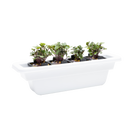
During a power outage, a hydroponic garden during a power outage can begin showing stress within 2–4 hours as the water pump stops circulating oxygen to roots. Most leafy greens tolerate up to 6 hours of pump downtime, but nutrient solution temperatures above 75°F accelerate root rot risk significantly. Short outages are manageable — longer ones require a plan.
Hydroponic systems are powered ecosystems. Your lights, water pump, and sometimes a fan all run on electricity to keep oxygen, nutrients, and light reaching your plants around the clock. When power cuts out, each of those systems pauses — and the clock starts ticking. Understanding which plants are most vulnerable, and what backup options you have, makes the difference between a minor setback and losing a full grow cycle.
What Actually Happens to Your Plants When the Pump Stops?
In a hydroponic system, roots sit in or near a nutrient solution rather than soil. Soil buffers stress — it holds moisture, oxygen pockets, and beneficial microbes that give plants a cushion. Water doesn't. The moment your pump stops, dissolved oxygen in the reservoir begins depleting as plant roots continue to respire.
Pump downtime tolerance varies by plant type. Leafy greens like lettuce and spinach can typically handle 4–6 hours without circulation before root health degrades. Fruiting plants — tomatoes, peppers, basil — are more sensitive and may show wilting within 2–3 hours. According to research published through the University of Arizona's Controlled Environment Agriculture Center, dissolved oxygen levels in hydroponic reservoirs can drop to stressful thresholds for roots in as little as 90 minutes at room temperature when aeration stops.
Temperature matters enormously here. Warm water holds less dissolved oxygen than cool water. If your reservoir climbs above 72–75°F during a summer outage (which it will without climate control), root zone oxygen depletion accelerates and Pythium root rot pathogens become active. Keeping your reservoir below 68°F is the single most protective thing you can do during an outage — even a bag of ice wrapped in a towel placed near the reservoir can buy meaningful time.
How Long Can a Hydroponic Garden Survive Without Power?
The honest answer depends on three variables: plant maturity, reservoir volume, and ambient temperature. Here's a practical breakdown:
- Under 4 hours: Most plants in a well-oxygenated reservoir will survive with no lasting damage. No intervention needed.
- 4–8 hours: Pump downtime tolerance is exceeded for sensitive crops. Manually stir the reservoir every 60–90 minutes to reintroduce surface oxygen. Keep lids off to allow gas exchange.
- 8–24 hours: Root stress is likely. Remove any standing water from around exposed roots if possible, mist roots lightly, and minimize plant transpiration by keeping the grow space cool and dark.
- 24+ hours: Plan for potential crop loss in fruiting plants. Seedlings and young plants are especially vulnerable. Focus on saving your most mature plants first.
Larger reservoir systems have a natural advantage here. The The Rise Garden 3 holds a higher water volume than smaller countertop units, which means the oxygen depletion curve is slower — giving you a wider response window during a power outage.
Backup Power for an Indoor Garden: What Are Your Real Options?
Backup power for an indoor garden doesn't have to mean a whole-home generator. Your pump is the priority — lights can wait. A standard hydroponic water pump draws between 3 and 25 watts depending on the system. That's a very low load.
A modest UPS (uninterruptible power supply) battery unit rated at 300–600Wh can run a 10-watt pump for 30–60 hours continuously. These units retail for $60–$150 and are widely available. Connect your pump — and only your pump — to the UPS so the battery lasts as long as possible.
For longer outages or more comprehensive coverage, a portable power station (brands like Jackery or EcoFlow) in the 500–1000Wh range can power your pump, grow lights on a reduced schedule, and a small fan simultaneously. Expect to spend $300–$600 for a unit in that capacity range. If you've invested in a system like The Rise Loft and have an active garden year-round, that investment pays for itself quickly in protected harvests.
The NASA Veggie project, which has studied plant survival in resource-constrained environments aboard the International Space Station, consistently prioritizes root zone oxygenation and temperature control above light when ranking critical growing inputs — reinforcing why the pump is your first backup priority.
A simpler, zero-cost strategy: keep a manual aquarium air pump (battery-operated, under $15) in your grow kit. Drop the air stone into your reservoir during an outage and it buys significant pump downtime tolerance with almost no investment.
Preparing Your Garden Before an Outage Happens
Preparation before the lights go out is far more effective than scrambling after. A few habits protect plant survival during a power outage without adding much to your routine.
Check your nutrient solution pH before storm season. Stagnant water with no circulation will drift in pH over time. A solution sitting at 5.5–6.5 pH (the ideal range for most hydroponic crops) is more forgiving than one that's already drifted to 7.2. Keeping your nutrients properly dosed and pH-balanced before a potential outage gives your plants a healthier starting point.
Don't top off your reservoir to maximum just before a storm. A full reservoir with no headspace has less surface area for gas exchange. Leave 10–15% of the reservoir empty so oxygen can interact with the water surface.
If you're newer to growing and want a system that's efficient on power draw, the Personal Rise Garden uses a low-wattage pump and compact reservoir — meaning it places a minimal load on a UPS battery and is one of the easiest systems to protect during short outages.
You've put real time and care into your seed pods — from germination through vegetative growth. A small investment in backup power or a simple outage protocol protects all of that work.
Frequently Asked Questions
Can I leave my hydroponic plants alone during a short power outage?
Yes, for outages under 4 hours, most established plants in a healthy reservoir will survive without any intervention. Make sure your grow space stays below 75°F and check on the plants when power is restored to confirm the pump restarted correctly.
Does a power outage affect the pH of my nutrient solution?
It can. Without pump circulation, nutrients can settle unevenly and microbial activity in stagnant water can cause pH to drift outside the ideal 5.5–6.5 range. After any outage longer than 6 hours, test and adjust your pH before resuming normal operation.
What's the minimum backup power setup I need for a hydroponic garden?
At minimum, a battery-operated aquarium air pump (around $10–$15) with an air stone dropped into your reservoir will maintain dissolved oxygen during an outage at virtually no cost. For true pump continuity, a UPS battery rated at 300Wh or more will run a standard hydroponic pump for 24+ hours depending on pump wattage.