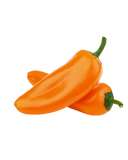
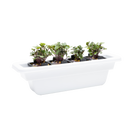
You can grow hydroponic peppers indoors by keeping your water pH between 5.8 and 6.2, your nutrient solution at an EC of 2.0–3.5 mS/cm, and your grow lights running 14–16 hours per day. Most pepper varieties go from seed to first harvest in 70–90 days under these conditions — significantly faster than soil growing.
Growing peppers hydroponically means cultivating them in a water-based nutrient solution rather than soil, giving the roots direct access to everything they need to thrive. Indoors, that translates to year-round harvests, no soil-borne pests, and tighter control over every variable that affects flavor and yield. This guide covers setup, care, and the specific adjustments that turn a decent pepper plant into a prolific one.
What Do Hydroponic Peppers Need to Thrive Indoors?
Peppers are warm-season crops that love consistent conditions — which is exactly what a well-managed indoor hydroponic system provides. Before your first seed pod goes in, get these four fundamentals dialed in.
Light: Peppers need more light than most leafy greens. Aim for 14–16 hours of full-spectrum light per day during vegetative growth. LED grow lights in the 400–700 nm range (photosynthetically active radiation, or PAR) work best. A light intensity of at least 200–400 µmol/m²/s at canopy level keeps plants compact and productive.
Temperature: Keep air temperature between 70°F and 80°F during the day, with nighttime temps no lower than 60°F. Root-zone water temperature should stay between 65°F and 72°F. Temperatures outside this range slow growth and can cause blossom drop.
pH and EC: pH is a measure of how acidic or alkaline your nutrient solution is; EC (electrical conductivity) measures nutrient concentration. For peppers, target pH 5.8–6.2 and EC 2.0–3.5 mS/cm. Check both at least twice a week with a calibrated meter.
Nutrients: Peppers are heavy feeders. They need a balanced ratio of nitrogen (N), phosphorus (P), and potassium (K), with extra calcium and magnesium during fruiting. Rise Gardens nutrients are formulated for the full plant life cycle and take the guesswork out of mixing ratios.
How to Grow Hydroponic Peppers Indoors Step by Step
1. Choose your system. A deep water culture (DWC) or nutrient film technique (NFT) setup works well for peppers. The The Rise Garden 3 gives you enough vertical clearance and reservoir capacity to support multiple pepper plants at once — critical since mature pepper plants can reach 18–24 inches indoors.
2. Start your seeds. Plant your seed pods in a warm spot — 75°F to 85°F is ideal for germination. Most pepper varieties germinate in 7–14 days. Keep humidity high (around 70%) until seedlings emerge.
3. Transplant carefully. Once seedlings have their first true set of leaves and roots are visible below the net cup, move them to your main grow system. Avoid disturbing roots; pepper plants are sensitive to transplant stress.
4. Train and prune. Pinch off the first few flower buds to redirect energy into stem and leaf development. Once the plant reaches the Y-fork (the first main branch split), let it set fruit. Remove any suckers growing below that fork.
5. Hand-pollinate. Indoors, there are no bees. Gently shake flowering branches daily or use a small paintbrush to transfer pollen between flowers. This step directly affects your hydroponic pepper yield — skipping it leads to blossom drop and low fruit set.
What Are the Best Pepper Varieties for Indoor Hydroponic Gardens?
Compact varieties outperform large field types in indoor systems. Here are four that consistently do well:
- Mini Bell Peppers — Fruit in 60–70 days, compact plants under 18 inches, excellent flavor.
- Jalapeño — High yield, tolerates slightly lower light, matures in 70–80 days hydroponically.
- Banana Pepper — Fast-maturing (65–75 days), mild flavor, prolific fruiting.
- Cayenne — Thin walls mean faster drying; plants stay manageable at 12–20 inches.
If space is tight, the Personal Rise Garden works well for a single compact pepper plant like a mini bell or jalapeño, especially in a kitchen or on a countertop.
Hydroponic Pepper Yield Tips That Actually Move the Needle
Getting flowers is the easy part. Maximizing fruit set and size requires a few targeted adjustments.
Boost phosphorus and potassium at flowering. Once you see the first flower buds, shift your nutrient ratio toward higher P and K. This supports cell division in developing fruit and improves sugar content.
Calcium matters more than most growers expect. According to research from the University of Florida IFAS Extension, calcium deficiency is one of the leading causes of blossom end rot in peppers — even in hydroponic systems. Keep calcium levels between 150–200 ppm in your reservoir.
Don't crowd plants. Space pepper plants at least 12 inches apart. Crowding reduces airflow, increases humidity at the canopy, and invites fungal issues like botrytis.
Harvest on schedule. A 2021 review published by the USDA Agricultural Research Service found that regular harvesting of mature fruits increases total seasonal yield by signaling the plant to continue producing. Don't let peppers over-ripen on the plant.
For growers who want maximum production with a furniture-grade design, The Rise Loft offers the vertical space and integrated lighting that larger pepper varieties need to reach their full potential indoors.
Indoor hydroponic pepper care doesn't require a horticulture degree — it requires consistency. Check your pH and EC twice a week, keep your light schedule locked in, and hand-pollinate every day flowers are open. Do those three things reliably, and your indoor hydroponic pepper plant will reward you with harvests that most outdoor gardeners only get a few months a year.
Frequently Asked Questions
How long does it take to grow hydroponic peppers indoors?
Most pepper varieties reach first harvest in 70–90 days from transplant in a well-managed hydroponic system. Germination adds another 7–14 days, so plan for roughly 80–105 days from seed to first fruit. Compact varieties like mini bells tend to be on the faster end of that range.
What pH level is best for growing peppers hydroponically?
Keep your nutrient solution between pH 5.8 and 6.2 for peppers. This range keeps essential nutrients — especially calcium, magnesium, and phosphorus — available for uptake. Outside this range, even a well-mixed nutrient solution can cause deficiency symptoms because the plant simply can't absorb what's in the water.
Why are my hydroponic pepper flowers dropping without setting fruit?
Blossom drop in indoor hydroponic pepper plants is almost always caused by one of three things: temperature fluctuations (especially nights below 60°F), insufficient light during flowering, or lack of pollination. Since there are no insects indoors, you need to hand-pollinate daily by gently shaking the plant or transferring pollen with a small brush.