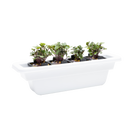
This hydroponic herb compound butter roasted egg recipe is exactly what happens when your indoor garden starts pulling its weight at the breakfast table. Compound butter — a simple blend of softened butter and freshly chopped herbs — melts over oven-roasted eggs to create a dish that feels restaurant-worthy but takes under 20 minutes to pull together. The secret is using herbs harvested directly from a hydroponic system, where plants grow in a nutrient-rich water solution without soil, producing leaves that are consistently fragrant, tender, and packed with flavor. When your chives, thyme, and parsley are growing just a few feet from your stove, breakfast changes entirely.
Why Hydroponic Herbs Make This Roasted Egg Recipe Taste Better
Flavor in fresh herbs comes from volatile aromatic compounds — the oils that give basil its sweetness, thyme its earthiness, and chives their mild onion bite. Those compounds begin degrading the moment a herb is cut. Store-bought herbs travel an average of 1,500 miles from farm to grocery store shelf, according to data from the USDA Agricultural Marketing Service, which means a significant portion of that aromatic intensity is already gone by the time you chop them into your butter.
Hydroponic herbs harvested minutes before cooking don't have that problem. Research from the University of Mississippi found that hydroponically grown basil contained measurably higher concentrations of essential oils compared to soil-grown counterparts under controlled conditions, pointing to the advantage of optimized nutrient and water delivery in closed-loop systems. When you snip chives directly from your Personal Garden on your kitchen counter and fold them into softened butter, you're working with peak-freshness aromatics — and the difference in this fresh herb baked eggs recipe is immediately obvious.
Hydroponics also gives you year-round access to the exact herbs this recipe calls for. No hunting through the store for a single bunch of tarragon in January. Your garden grows on your schedule.
Which Herbs to Grow for a Hydroponic Herb Morning Recipe
Not every herb is equally well-suited to compound butter, and not every herb grows at the same pace in a hydroponic system. Here's what to plant and why each one earns its place in this indoor garden breakfast recipe.
- Chives: Fast-growing, prolific, and mild enough to use generously. Chives add a soft allium note without overpowering the eggs. They're one of the easiest herbs to maintain in a hydroponic setup and can be snipped and regrown repeatedly.
- Flat-leaf parsley: Bright, grassy, and slightly peppery. Parsley balances richer ingredients like butter and egg yolk. It's a workhorse herb that thrives under consistent LED grow lighting.
- Fresh thyme: Earthy and slightly floral, thyme adds complexity to the compound butter. Use it sparingly — a little goes a long way. Thyme grows more slowly than chives but is well worth the wait.
- Tarragon (optional): Classic in French egg dishes, tarragon brings an anise-like warmth that pairs beautifully with butter. It's a more advanced grow but deeply rewarding for this application.
- Basil: If you want a Mediterranean variation, a few torn basil leaves stirred into the compound butter add sweetness and depth.
All of these herbs are available as seed pods for your Rise Garden, pre-seeded and ready to drop into your system. You'll typically see germination within 5–10 days and harvestable growth within 3–4 weeks for fast-growing varieties like chives and parsley.
How Do You Make Compound Butter With Fresh Hydroponic Herbs?
Compound butter sounds fancy, but the technique is genuinely straightforward. You're simply combining room-temperature butter with finely chopped herbs, aromatics, and seasoning, then either using it immediately or rolling it into a log for later use. Here's a precise formula that works perfectly for the roasted eggs below.
Hydroponic Herb Compound Butter
Makes enough for 4–6 servings. Keeps refrigerated for up to 2 weeks, or frozen for 3 months.
- 8 tablespoons (1 stick) unsalted butter, softened to room temperature
- 2 tablespoons fresh chives, finely minced
- 1 tablespoon fresh flat-leaf parsley, finely minced
- 1 teaspoon fresh thyme leaves, stripped from stems
- 1 small garlic clove, microplaned or finely grated
- ½ teaspoon flaky sea salt
- ¼ teaspoon freshly cracked black pepper
- 1 teaspoon fresh lemon juice
Method: Place softened butter in a bowl. Add all minced herbs, garlic, salt, pepper, and lemon juice. Use a fork to fold and mash everything together until fully incorporated. Taste and adjust seasoning. To store, turn the butter out onto a sheet of plastic wrap, roll into a tight log, twist the ends, and refrigerate. Slice off rounds as needed.
The lemon juice is not optional — the acidity brightens the herb flavors and prevents the butter from tasting flat. Use a fresh-squeezed squeeze, not bottled.
How Do You Make Roasted Eggs With Hydroponic Herb Compound Butter?
Roasting eggs in the oven rather than cooking them on the stovetop gives you gently set whites with yolks that remain jammy and rich — a texture that's nearly impossible to achieve consistently in a pan. The compound butter melts into the eggs as they cook, basting them from below and above in herbaceous, golden fat. This is the core technique of this fresh herb baked eggs recipe.
Compound Butter Roasted Eggs
Serves 2. Total time: 18 minutes.
Ingredients:
- 4 large eggs, at room temperature
- 2 tablespoons hydroponic herb compound butter (from recipe above), sliced into rounds
- Flaky sea salt and cracked pepper to finish
- Extra fresh chives and parsley for garnish, snipped directly from your garden
- Crusty bread or toast for serving
Equipment: A small oven-safe skillet (cast iron preferred) or individual ramekins.
Instructions:
- Preheat your oven to 375°F (190°C). Place your cast iron skillet or ramekins in the oven while it preheats — starting with a hot vessel makes a meaningful difference in how the whites set.
- Carefully remove the hot pan from the oven. Add the compound butter rounds directly to the pan and let them melt for about 30 seconds, swirling to coat the surface.
- Gently crack eggs into the pan, spacing them evenly. Season lightly with salt and pepper.
- Return to the oven and roast for 6–8 minutes, depending on how set you prefer your yolks. At 6 minutes, yolks will be fully runny. At 8 minutes, they'll be jammy and slightly firm at the edges.
- Remove from oven. Immediately top with a final small knob of compound butter (it will melt on contact), a pinch of flaky salt, and a generous shower of freshly snipped chives and parsley from your indoor garden.
- Serve directly from the pan with thick toast for swiping.
Pro tip: Room-temperature eggs cook more evenly than cold eggs straight from the refrigerator. Pull them out 15–20 minutes before you cook.
Setting Up Your Indoor Garden to Support a Year-Round Herb Harvest
The real power of this hydroponic herb morning recipe isn't the single dish — it's the system that makes fresh herbs available to you every morning, regardless of season. NASA's Veggie project, which has studied plant growth in controlled environments since the 1980s, identified that plants grown in optimized hydroponic systems with consistent lighting and nutrient delivery can produce yields up to 25% faster than comparable soil-grown plants, making indoor hydroponics one of the most efficient ways to grow culinary herbs at home.
Rise Gardens systems are designed around exactly this principle. The The Rise Garden 3 is a full-size, three-tier indoor hydroponic garden that can grow up to 45 plants simultaneously — more than enough space to maintain a dedicated herb section alongside lettuces, greens, and other vegetables. For smaller kitchens, the The Rise Loft offers a premium, furniture-grade design that fits beautifully in a living room or kitchen corner without sacrificing growing capacity.
For herb growing specifically, a few system fundamentals matter:
- pH: The measure of acidity or alkalinity in your water solution. Most herbs thrive between pH 5.5 and 6.5. Rise Gardens systems are designed to make pH management straightforward.
- EC (Electrical Conductivity): A measurement of how concentrated the nutrient solution is. Herbs generally prefer a lower EC than fruiting plants, which means a lighter nutrient feed produces the most flavorful, balanced leaves.
- Nutrients: The water-soluble mineral compounds your plants absorb in place of soil. Rise Gardens nutrients are formulated specifically for the growth stages of leafy herbs and greens, removing the guesswork from feeding schedules.
- Light: Herbs need 14–16 hours of light per day for optimal growth. Rise Gardens LED systems are calibrated to deliver the right spectrum and intensity automatically.
With these variables dialed in, you can expect continuous harvests from a well-maintained herb garden — meaning compound butter for eggs on Tuesday, fresh pesto on Thursday, and herb-topped grain bowls on Sunday, all from the same system.
Variations on This Indoor Garden Breakfast Recipe
Once the compound butter is in your refrigerator, it opens up fast. Here are a few ways to riff on the base recipe using what's growing in your garden.
- Tarragon and shallot butter with soft scrambled eggs: Swap the chives for finely minced fresh tarragon and one small shallot. Cook scrambled eggs low and slow in a nonstick pan, finishing with a pat of the butter off the heat.
- Spicy basil-herb butter shakshuka: Stir a tablespoon of herb compound butter into a simple tomato sauce, crack in eggs, and simmer covered until the whites just set. Finish with torn fresh basil from your garden.
- Herb butter avocado toast with a poached egg: Spread compound butter directly onto warm toast before layering with sliced avocado. Top with a poached egg and fresh micro herbs if you're growing them.
- Herb butter frittata: Whisk 6 eggs with a splash of cream. Add a tablespoon of compound butter to a cold oven-safe skillet, pour in the eggs, add your favorite toppings, and bake at 350°F for 12–15 minutes.
The compound butter keeps for two weeks refrigerated, so one batch supports multiple breakfasts across the week. Hydroponic herbs regrow quickly after harvesting — snip from the top third of the plant, and new growth appears within days.
Frequently Asked Questions
Can I use any hydroponic herbs in compound butter, or are some better suited than others?
Soft herbs with high moisture content — like chives, basil, parsley, tarragon, and dill — blend most smoothly into compound butter and release their flavor evenly. Woody herbs like rosemary and sage can also work but should be minced very finely, as their texture can remain detectable in the finished butter. Avoid herbs with very high water content like fresh mint in large quantities, as they can make the butter watery.
How long does hydroponic herb compound butter last?
Properly made compound butter, rolled tightly in plastic wrap and refrigerated, stays fresh for up to 2 weeks. For longer storage, freeze the log and slice off rounds as needed — frozen compound butter keeps well for up to 3 months without significant flavor loss. Always use a clean utensil when cutting slices to avoid contamination that shortens shelf life.
What is the difference between baked eggs and roasted eggs?
The terms are often used interchangeably in home cooking, but roasted eggs typically refer to cracking eggs into a hot, fat-coated vessel (like a preheated cast iron pan) and finishing them in a high-heat oven, which creates slightly crisped edges on the whites while keeping the yolk soft. Baked eggs are more commonly associated with gentler oven temperatures, often in a water bath or bain-marie, producing a more uniformly custardy texture throughout.
Do hydroponic herbs taste different from store-bought herbs?
Yes, and the difference is most noticeable in freshness-forward applications like compound butter, where herbs are used raw and in quantity. Hydroponically grown herbs harvested at home contain higher concentrations of the volatile aromatic compounds responsible for flavor, simply because they haven't undergone the days-long supply chain journey that store-bought herbs have. Studies on hydroponic basil have measured significantly higher essential oil content compared to conventionally farmed alternatives, which translates directly to more intense, cleaner flavor in the finished dish.