A green smoothie recipe with homegrown herbs takes your daily blend from ordinary to extraordinary — and the difference is measurable, not just anecdotal. Growing herbs like mint, basil, and parsley hydroponically at home means you're harvesting them at peak freshness, often within hours of blending. That matters because phytonutrient levels in leafy herbs begin declining almost immediately after harvest. This article walks you through specific recipes, explains why hydroponic herbs outperform store-bought in the blender, and shows you exactly how to grow a steady supply right on your countertop or in your living room.
Why Homegrown Hydroponic Herbs Make Better Smoothies
Most herbs at the grocery store have traveled hundreds or even thousands of miles before reaching your basket. According to the USDA, the average American's food travels approximately 1,500 miles from farm to table — and delicate herbs lose volatile aromatic compounds and water-soluble vitamins like Vitamin C and folate throughout that journey. When you grow herbs in a hydroponic system at home, you're harvesting them at their nutritional peak, which translates directly into more vibrant flavor and denser nutrition in your smoothies.
Hydroponics — the method of growing plants in a nutrient-rich water solution rather than soil — consistently produces faster growth and higher yields than traditional soil gardening. A landmark study from the University of Arizona's Controlled Environment Agriculture Center found that hydroponically grown lettuce and herbs can contain up to 11 times more phytonutrients than their field-grown counterparts under optimized light and nutrient conditions. That's not a marginal improvement — it's the kind of difference you can taste.
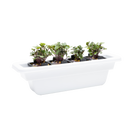
With a compact setup like the Personal Garden, you can maintain a continuous harvest of mint, basil, and spinach year-round, regardless of your climate or outdoor space. The system manages water circulation and nutrient delivery automatically, so your plants get exactly what they need without guesswork.
The Best Herbs to Grow for Green Smoothies
Not every herb belongs in a smoothie, but several work beautifully — especially when they're freshly harvested and hydroponic-grown. Here are the top performers:
- Spearmint: Milder than peppermint, spearmint adds a clean, cooling brightness to any mint spinach smoothie recipe without overpowering the other ingredients. It's also one of the fastest-growing herbs in a hydroponic environment, often ready to harvest in 3–4 weeks from seed pod.
- Basil: A basil green smoothie might sound unconventional, but sweet basil pairs surprisingly well with tropical fruits, cucumber, and lime. Basil contains eugenol, a natural anti-inflammatory compound, and is a good source of Vitamin K.
- Parsley: One of the most nutrient-dense smoothie additions you can make. A single ounce of fresh parsley provides over 200% of your daily recommended Vitamin K intake, according to USDA FoodData Central. Its earthy flavor is best balanced with citrus and banana.
- Cilantro: Popular in herb smoothie detox recipes for its purported ability to support the body's natural detoxification pathways, cilantro adds a bright, citrusy edge to green blends.
- Lemon Balm: A lesser-known smoothie herb with a gentle lemony flavor and calming properties. It grows prolifically in hydroponic systems and pairs well with cucumber and green apple.
All of these herbs are available as seed pods designed specifically for Rise Gardens systems, making it easy to start growing immediately without sourcing seeds separately.
Green Smoothie Recipes with Homegrown Herbs You'll Make on Repeat
These recipes are built around what you can realistically harvest from an indoor hydroponic garden. Each one uses 1–2 tablespoons of fresh herbs — enough to taste clearly without dominating the blend. All recipes yield approximately 16 oz (one serving).
Classic Mint Spinach Smoothie Recipe
This mint spinach smoothie recipe is clean, refreshing, and genuinely energizing — not in a marketing-copy way, but because spinach provides iron and magnesium while mint supports digestive comfort.
- 1 cup fresh hydroponic spinach leaves
- 2 tablespoons fresh spearmint leaves (homegrown)
- 1 frozen banana
- 1/2 cup frozen pineapple chunks
- 1 cup unsweetened coconut milk
- Juice of 1/2 lime
Directions: Add all ingredients to a high-speed blender. Blend on high for 45–60 seconds until completely smooth. Serve immediately for maximum nutrient retention. The frozen fruit eliminates the need for ice, keeping the flavor concentrated.
Basil Green Smoothie with Cucumber and Lime
This basil green smoothie leans savory-bright, making it an excellent option for people who find most green smoothies too sweet. The cucumber adds volume and hydration without calories, while basil provides that unmistakable garden-fresh aroma.
- 1/2 English cucumber, roughly chopped
- 2 tablespoons fresh sweet basil leaves
- 1 cup baby spinach
- 1/2 green apple, cored
- Juice of 1 lime
- 1 cup cold water or coconut water
- 1/2 cup ice
Directions: Blend cucumber, water, and spinach first to create a liquid base. Add remaining ingredients and blend until smooth. Taste and adjust with additional lime juice as needed.
Herb Smoothie Detox Recipe with Parsley and Lemon
This herb smoothie detox recipe is built around parsley, one of the most underutilized smoothie greens. Paired with lemon and ginger, it creates a bright, slightly bitter blend that works well as a morning reset.
- 1/4 cup fresh flat-leaf parsley (homegrown)
- 1 cup baby spinach
- 1/2 frozen banana
- 1/2 lemon, juiced and zested
- 1 teaspoon fresh grated ginger
- 1 cup cold filtered water
- 1/2 cup frozen mango chunks
Directions: Blend water, spinach, and parsley first. Add banana, mango, lemon, and ginger. Blend on high for 60 seconds. This smoothie has a notably robust flavor — the mango and banana keep it approachable without masking the herb character that makes it effective.
How Do You Grow Enough Herbs for Daily Smoothies?
This is the practical question most people don't ask until they've already started growing — and then realized a single mint plant gets depleted fast when you're blending every morning. The answer lies in staggered planting and system capacity.
A full-scale system like The Rise Garden 3 offers enough plant sites to run a dedicated smoothie herb section alongside other crops. You could dedicate a row to spearmint, a row to basil, and a row to parsley — and by harvesting the outer leaves only (never more than 1/3 of the plant at once), you'll maintain a continuous supply without interrupting growth cycles.
For context: a single mature hydroponic basil plant can yield approximately 1–2 tablespoons of leaves every 3–4 days with proper pruning technique. If you need daily smoothie ingredients, plan for 3–4 plants of each herb variety you use regularly. That math makes a multi-pod system not just convenient but genuinely necessary for serious smoothie enthusiasts.
The key growing variables to monitor are:
- pH: The measure of acidity or alkalinity in your water solution. Most herbs thrive between pH 5.5–6.5 in hydroponic systems. Outside this range, nutrient uptake stalls even if nutrients are present.
- EC (Electrical Conductivity): A measure of nutrient concentration in your water. Higher EC means more dissolved minerals. Herbs generally prefer moderate EC levels — too high causes tip burn, too low causes pale, slow growth.
- Light: Herbs need 14–16 hours of light daily to grow vigorously indoors. Rise Gardens systems include full-spectrum LED panels calibrated to support this requirement automatically.
Keeping your system stocked with quality nutrients designed for hydroponic herb production ensures your plants have everything they need at the cellular level — not just basic NPK, but the full micronutrient spectrum that affects flavor and phytonutrient density.
What Does NASA Research Say About Indoor-Grown Greens?
The credibility behind indoor growing isn't just from boutique wellness culture — it comes from serious applied science. NASA's Veggie project, which researches plant cultivation in space environments, has demonstrated that controlled-environment agriculture produces crops with consistent nutritional profiles under LED lighting that closely mimics optimal solar spectrums. NASA astronauts aboard the International Space Station have successfully grown and eaten red romaine lettuce, radishes, and leafy greens using hydroponic systems — proving that indoor-grown produce is nutritionally viable even without sunlight or soil.
The implications for home growers are direct: the same principles that make plants thrive in a zero-gravity grow chamber — controlled light, optimized nutrient delivery, stable temperature — are exactly what Rise Gardens systems replicate at a consumer scale. You're not using a watered-down version of the technology. You're using the same core methodology with the same measurable results.
For households interested in food security, freshness, and reducing dependence on supply chains, growing your own smoothie herbs isn't just a lifestyle choice — it's a practical infrastructure decision. A premium system like The Rise Loft, designed with furniture-grade aesthetics and large growing capacity, integrates seamlessly into living spaces while delivering a serious, continuous harvest.
Tips for Blending Homegrown Herbs Without Bitterness
Fresh herbs can turn a smoothie bitter if you're not careful — especially parsley, cilantro, and mature basil leaves. These tips will help you get the flavor right every time:
- Harvest young leaves: Younger leaves are less bitter and more aromatic than mature ones. In hydroponic systems, younger growth is always available because the plant grows continuously.
- Blanch strongly-flavored herbs briefly: For cilantro or mature parsley, a 10-second dip in boiling water followed by an ice bath softens bitterness without destroying the nutrients significantly.
- Balance with acid: Lemon juice, lime juice, or a small amount of apple cider vinegar counteracts bitterness by stimulating different taste receptors simultaneously.
- Add fat: A tablespoon of almond butter, half an avocado, or a pour of coconut milk rounds out sharp herb flavors and improves texture dramatically.
- Blend herbs with liquid first: Creating a green liquid base before adding frozen fruits prevents large herb chunks from escaping the blade and leaving bitter flecks in the final smoothie.
One more practical note: wash your homegrown hydroponic herbs under cool running water before blending, even though they haven't been exposed to soil, pesticides, or outdoor contaminants. Rinsing removes any residual nutrient solution from the leaves and ensures the cleanest flavor possible.
Frequently Asked Questions
Can you put fresh mint directly into a smoothie?
Yes — fresh mint goes directly into the blender without any preparation beyond a quick rinse. Spearmint is the most smoothie-friendly variety because it's milder than peppermint. Start with 1 tablespoon per serving and adjust upward based on preference; mint flavor intensifies once blended.
How many herb plants do I need to make smoothies every day?
For daily smoothies, plan for 3–4 plants per herb variety you use regularly. A single mature hydroponic mint or basil plant can yield 1–2 tablespoons of harvestable leaves every 3–4 days with the outer-leaf harvesting method. Staggering your planting schedule — starting new pods every 2 weeks — keeps your supply consistent.
Are herb smoothie detox recipes actually beneficial?
The term "detox" is used loosely in wellness marketing, but the nutritional basis for herb-forward smoothies is real. Herbs like parsley and cilantro are genuinely high in antioxidants, Vitamin K, Vitamin C, and chlorophyll — compounds that support liver function and cellular health. The benefit comes from the dense nutrition of fresh herbs, not from any single "detox" compound.
What's the best hydroponic system for growing smoothie herbs?
It depends on how much counter space you have and how many herbs you want to grow simultaneously. For a single household making 1–2 smoothies daily, the Personal Garden provides enough capacity for 3–4 herb varieties at once. For larger households or more variety, the The Rise Garden 3 offers significantly more plant sites, making it possible to run a dedicated herb section alongside vegetables and microgreens.