Many people take great pleasure in gardening, creating their own little haven of peace and tranquility that helps them connect with nature and nurture their souls. But with experts stating that the global fresh water demand will outstrip supply by 40% by 2030, learning how to create a beautiful outdoor garden without wasting water is quickly becoming a more pressing issue than ever before. As water is such a precious, finite resource, it's important to learn how to conserve it in both our homes and gardens.
Here, we run through some easy things you can do to create a beautiful outdoor space without wasting water, to help make yours an enjoyable and environmentally friendly place to be.
How Can You Reuse Water in Your Garden?
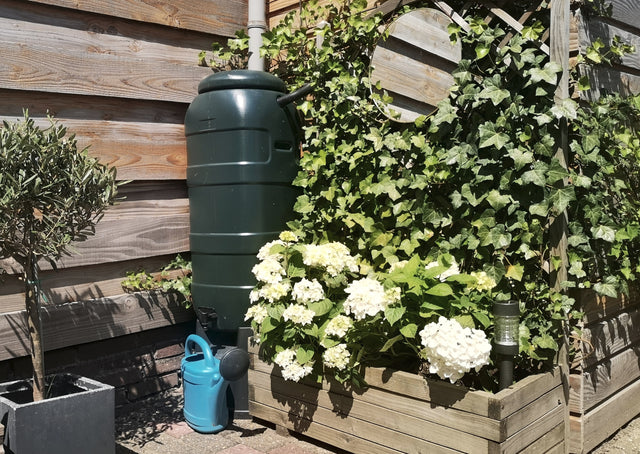
Rainwater is a free, plentiful resource that can help you keep your plants healthy. Rather than turning on the garden tap when you need to water your plants or lawn, invest in a couple of waterbutts. With a lower concentration of nitrates and other minerals, rainwater is actually better for your garden and will help your plants thrive far more than tap water.
You could also install a greywater system throughout your garden, which uses recycled water from sinks, showers and laundry washing to nourish your plants. You'll need to ensure that the greywater is free from harmful chemicals and soaps, but this is an investment that can save you time and money in your gardening. For those looking to take water efficiency even further indoors, hydroponic systems like the Rise Garden use up to 95% less water than traditional soil gardening by recirculating water directly to plant roots rather than losing it to evaporation or runoff.
Another great tip is to use a broom or manual cleaning tools for your yard and patio, rather than a pressure washer. This can save gallons of water and will go a long way to boosting the water efficiency of your garden space. To earn some added eco brownie points, you can even concoct your own homemade cleaning solutions that can be just as effective as store-bought options. Try blending together vinegar, warm water, and washing up liquid for a cost-effective and green cleaner.
Plan your flower beds carefully
The design of your garden plays a significant role in the amount of water you need to maintain it. Xeriscaping is an excellent way to create a natural aesthetic without relying on irrigation or frequent watering. By focusing on using drought-tolerant plants and grouping those with similar needs together, you can sustain a lush garden with very little additional watering beyond what the natural climate provides.
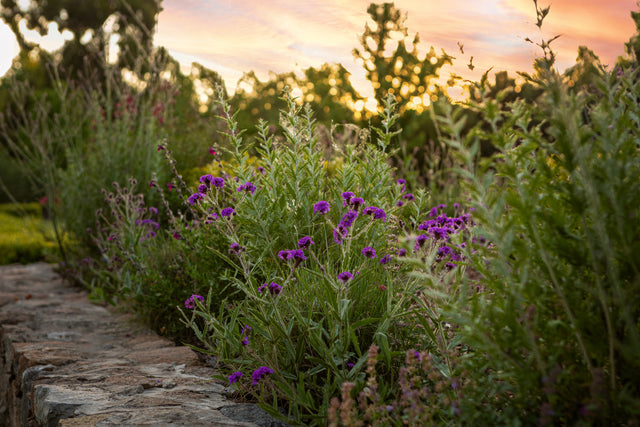
Mulching areas will also help minimize the need for water, as will adding in pathways, rock gardens and trees as opposed to having large areas of grass. You can design a plethora of gardens in this way that are often far more interesting and appealing than a basic square lawn. While redesigning your garden may come at some initial expense and effort, you will be able to reap the benefits for years to come.
How Do You Improve Soil Quality to Conserve Water?
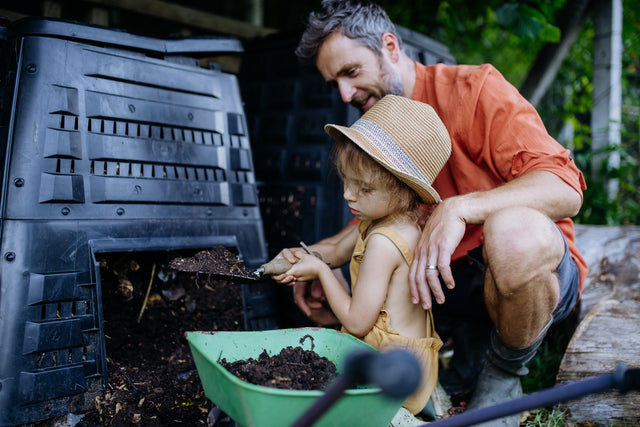
Healthy, high-quality soil retains moisture more effectively as it holds onto more water for longer. There are lots of quick and easy methods you can turn to to significantly enhance the quality of your garden's soil. For example, adding organic matter such as compost or manure to your flower beds is great for reducing the need for frequent watering and boosting the nutrition available to your plants. If you also grow herbs or greens indoors, choosing the right nutrients for your plants is equally important for healthy growth and efficient water use.
Regular maintenance is also important to keep your soil healthy. Frequent weeding, pruning and checking for pests or areas of stagnant water will help to ensure your plants don't succumb to root rot or other issues. Weeds compete with plants for water and nutrients, so keeping them under control is crucial — in fact, hydroponic lettuce can yield up to 11 harvests per year compared to just 2–3 in soil, largely because the growing environment eliminates competition from weeds entirely. To take it one step further, you might look to plant cover crops through your flower beds to control weeds and disease outbreaks, further optimizing your soil's potential.
Commit to conservation
When you're so focused on yielding the best possible aesthetic outcomes for your outdoor space, it's easy to lose sight of the potential environmental impacts gardening activities can have. Creating a water-efficient garden is not only eco-friendly but can also be cost-effective.
It might initially feel like a huge undertaking to break bad habits, but you'll soon start to realize how easy it is to do, and how effective these small, simple changes can be. By embracing more sustainable practices when caring for your outdoor space, you can help conserve water and contribute to global efforts in creating a more sustainable world for us all.
Phoebe Owen is a freelance writer and editor focusing mainly on sustainability and scientific issues. She graduated with a degree in English Language and enjoys writing articles that are thought-provoking and provide readers with essential insights on how to save our planet.
Frequently Asked Questions
How much water does a Rise Garden use compared to traditional gardening?
Rise Garden's closed-loop hydroponic system uses up to 95% less water than conventional soil gardening because water is recirculated through the reservoir rather than draining into the ground or evaporating from soil. A typical outdoor vegetable garden can consume hundreds of gallons of water per week during peak summer growing, while a Rise Garden might use only one to two gallons to top up the reservoir in the same period. This makes Rise Garden one of the most water-efficient ways to produce fresh food at home.
What makes hydroponic growing more water-efficient than soil growing?
In soil-based gardening, the majority of applied water is lost to evaporation, runoff, and deep percolation beyond the root zone before plants can absorb it. Hydroponic systems deliver water and nutrients directly to the root zone in a closed-loop system where unused solution is collected and recirculated. Rise Garden's sealed reservoir design minimizes evaporation loss further, making nearly every drop of water directly available to plant roots.
Can I reuse or recycle the water from my Rise Garden?
The water-nutrient solution in Rise Garden's reservoir is recirculated continuously within the system and typically only needs topping up rather than full replacement. When you do perform a full reservoir change — recommended every two to four weeks — the used nutrient water can be diluted and applied to outdoor potted plants or a garden as a mild fertilizer. This further reduces waste and extends the value of every gallon used in the system.
How does indoor hydroponic gardening help with sustainable living?
Beyond water savings, indoor hydroponic growing eliminates the need for chemical pesticides, reduces food transportation miles to near zero, and produces no agricultural runoff that can harm local waterways. Growing food at home with Rise Garden also reduces plastic packaging waste from store-bought produce and supports a more circular, resilient local food system. For households committed to reducing their environmental footprint, Rise Garden offers a genuinely impactful everyday action.