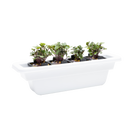
There's a particular kind of satisfaction that comes from pulling a golden, fragrant hydroponic herb roasted chicken out of the oven — knowing that the rosemary, thyme, and parsley blanketing the skin came from your own indoor garden, not a plastic clamshell from the grocery store. This recipe celebrates exactly that: a classic herb-roasted whole chicken elevated by using fresh, homegrown hydroponic herbs that are more aromatic, more flavorful, and honestly more impressive than anything you'll find at a supermarket. If you've been growing herbs in a hydroponic system and wondering what to do with that abundant harvest, this is your answer.
Why Hydroponic Herbs Make a Better Roast Chicken
Flavor starts at the root level — literally. Hydroponics is a method of growing plants in a nutrient-rich water solution rather than soil, allowing the plant to absorb precisely calibrated minerals directly through its root system. The result is a plant that grows faster, cleaner, and often with a more concentrated essential oil profile than its soil-grown counterpart.
A study from the University of Mississippi found that hydroponically grown basil contained significantly higher concentrations of volatile aromatic compounds compared to conventionally grown basil — and similar patterns hold true for rosemary and thyme. Those volatile compounds are exactly what you smell when you crush a fresh herb sprig, and they're exactly what perfume your roasting chicken as it cooks.
According to the USDA's Agricultural Research Service, hydroponic systems can produce yields up to 11 times higher per square foot than traditional field farming, which means your indoor garden isn't just a novelty — it's a genuinely productive food source. When you're cooking a homegrown herb poultry recipe like this one, you're drawing on that productivity in the most delicious way possible.
Fresh herbs also make a measurable culinary difference. Dried rosemary, for example, loses a significant portion of its volatile oils within six months of packaging. Snipping rosemary sprigs directly from your The Rise Garden 3 and using them within minutes means you're capturing aromatic compounds at their absolute peak.
What Herbs Should You Grow for an Indoor Garden Herb Roast Chicken?
The classic poultry herb combination — rosemary, thyme, and parsley — grows exceptionally well in a hydroponic environment. Here's a closer look at each and why it belongs in this recipe:
- Rosemary: Woody, resinous, and bold, rosemary infuses the chicken skin with a savory, almost piney depth. It holds up beautifully during long roasting times without burning out. Hydroponic rosemary grows vigorously and benefits from regular trimming, which makes this recipe a great excuse to harvest.
- Thyme: Earthy and slightly floral, thyme is the backbone of most European roast chicken traditions. It pairs effortlessly with lemon and garlic. Hydroponic rosemary thyme chicken is a combination that's stood the test of culinary time for good reason.
- Flat-leaf parsley: Used fresh as a finishing herb or worked into the butter rub, parsley brings brightness and a clean green note that balances the richness of roasted chicken skin.
- Sage: Optional but excellent — a few leaves tucked under the skin add a slightly peppery, musky complexity that works especially well in the fall and winter months.
- Garlic chives: If you have them growing, chives snipped over the finished bird right before serving add a subtle onion-garlic freshness.
All of these herbs are available as seed pods for Rise Gardens systems, and most reach harvestable size within three to four weeks of planting, so even a new grower can have a full herb garden ready for a weekend roast.
The Hydroponic Herb Roasted Chicken Recipe
This recipe serves four to six people and uses a 4–5 lb whole chicken. The technique is a straightforward dry-brine-then-roast approach, which produces crispy skin and juicy meat without fuss.
Ingredients
- 1 whole chicken (4–5 lbs), patted dry
- 3 tablespoons unsalted butter, softened
- 2 tablespoons fresh rosemary leaves, finely chopped (from your indoor garden)
- 2 tablespoons fresh thyme leaves, stripped from stems
- 2 tablespoons fresh flat-leaf parsley, finely chopped
- 4 garlic cloves, minced
- 1 lemon, zested and halved
- 1½ teaspoons kosher salt
- ½ teaspoon freshly cracked black pepper
- 2 tablespoons olive oil
- 4–6 whole thyme and rosemary sprigs (for the cavity and roasting pan)
- 1 head garlic, halved crosswise
- 1 medium yellow onion, roughly chopped
Instructions
- Dry brine the bird (optional but recommended): The evening before cooking, mix ½ teaspoon of the kosher salt with the lemon zest and rub it all over the chicken, including under the skin over the breasts. Place uncovered on a rack in the refrigerator overnight. This draws out surface moisture, which evaporates overnight, leaving you with dramatically crispier skin when roasted.
- Make the herb butter: In a small bowl, combine the softened butter, chopped rosemary, thyme leaves, parsley, minced garlic, remaining salt, and black pepper. Mix thoroughly until uniform. This compound butter is the flavor engine of the entire dish — the fat carries the aromatic compounds deep into the meat as it melts during roasting.
- Prep the chicken: Remove the chicken from the refrigerator 30–45 minutes before roasting to take off the chill. Preheat your oven to 425°F (220°C). Gently separate the skin from the breast meat using your fingers and push half of the herb butter directly under the skin. Rub the remaining butter all over the exterior of the bird. Drizzle with olive oil and squeeze one lemon half over the top.
- Build the roasting base: Scatter the chopped onion and halved garlic head in the bottom of a roasting pan or large oven-safe skillet. Place the chicken on top (or on a rack above the vegetables). Stuff the cavity with the remaining lemon half, whole herb sprigs, and a few smashed garlic cloves.
- Roast: Roast at 425°F for 15 minutes to get the skin browning started, then reduce heat to 375°F (190°C) and continue roasting for approximately 60–75 minutes, or until the thickest part of the thigh reads 165°F (74°C) on an instant-read thermometer — the safe internal temperature recommended by the USDA for all poultry.
- Rest: Transfer the chicken to a cutting board and tent loosely with foil. Rest for at least 15 minutes before carving. This allows the juices to redistribute through the meat, so they stay in the chicken rather than running onto the cutting board.
- Serve: Carve and arrange on a platter. Finish with a scattering of fresh parsley and thyme leaves snipped straight from your garden right before plating.
Pan Sauce (Optional, Highly Recommended)
While the chicken rests, place the roasting pan over medium heat on the stovetop. Pour in ½ cup dry white wine and scrape up any browned bits from the bottom. Add ½ cup chicken stock, squeeze in any remaining lemon juice, and let reduce for 3–4 minutes until slightly thickened. Strain and serve alongside the carved chicken.
How to Grow Enough Herbs for This Recipe in Your Indoor Garden
One of the most common questions we hear from new hydroponic gardeners is whether their setup can actually produce enough herbs to cook with regularly, rather than just garnish a plate. The answer is a confident yes — provided you're growing in a system sized for your cooking habits.
For a household that cooks with fresh herbs two to three times per week, a compact setup like the Personal Garden is a great starting point. It holds enough pods to keep two or three herb varieties in continuous rotation. Dedicate two pods to rosemary, two to thyme, and one each to parsley and chives, and you'll have more than enough to harvest for this recipe with surplus to spare.
If you cook for a larger household or entertain regularly, consider scaling up to The Rise Loft, Rise Gardens' premium furniture-grade indoor garden. With its expanded growing capacity and elegant design, it functions both as a productive herb garden and a genuine piece of home decor — something that impresses dinner guests before the chicken even hits the table.
A few growing tips specific to culinary herbs in hydroponics:
- pH matters: Most culinary herbs thrive at a water pH between 5.5 and 6.5. pH is a measure of how acidic or alkaline your water solution is, and keeping it in range ensures your plants can actually absorb the nutrients you're providing.
- Harvest regularly: The more you trim, the more the plant produces. For rosemary and thyme, cutting back the top third of each stem encourages bushy, dense growth rather than leggy, sparse branches.
- Light hours: Herbs used in savory cooking generally want 14–16 hours of light per day. Rise Gardens systems include full-spectrum LED lighting designed to hit this target automatically.
- EC levels: EC, or electrical conductivity, measures the concentration of dissolved nutrients in your water. For most herbs, an EC between 1.0 and 1.6 mS/cm supports healthy growth without overstressing the plant.
NASA's Veggie project — the agency's ongoing research into growing food in space — has repeatedly demonstrated that herbs like basil, thyme, and mizuna grow successfully under controlled hydroponic conditions with LED lighting, validating the same principles that home systems like Rise Gardens apply on a domestic scale.
Serving Suggestions and Variations for Your Homegrown Herb Poultry Recipe
Once you've mastered the base hydroponic herb roasted chicken recipe, there are plenty of directions to take it depending on what's thriving in your garden that week.
- Lemon-tarragon variation: Swap the parsley for fresh tarragon and add the zest of two lemons to the herb butter. Tarragon grows well hydroponically and gives the finished dish a sophisticated, slightly anise-forward profile.
- Mediterranean variation: Add fresh oregano and a teaspoon of smoked paprika to the butter mixture. Serve with roasted cherry tomatoes and a drizzle of good olive oil.
- Spatchcocked version: Remove the backbone of the chicken and flatten it before applying the herb butter. Roasting time drops to approximately 45 minutes and the skin crisps more evenly across the whole bird.
- Sheet pan meal: Surround the chicken with halved baby potatoes, whole garlic cloves, and sliced fennel tossed in olive oil. Everything roasts together in one pan and the vegetables absorb all the herby drippings.
Leftovers from this homegrown herb poultry recipe are exceptional. The herb-infused meat holds its flavor beautifully for two to three days refrigerated, making excellent sandwiches, grain bowls, or a quick chicken and fresh herb frittata the next morning.
Frequently Asked Questions
Can I use dried herbs instead of fresh hydroponic herbs in this recipe?
You can, but you'll get noticeably different results. Dried herbs are more concentrated by weight — use roughly one-third the volume of dried compared to fresh — but they lack the volatile aromatic compounds that make freshly harvested hydroponic herbs so fragrant and flavorful. For a roast chicken where herbs are the central ingredient, fresh is strongly worth the effort.
What internal temperature should roasted chicken reach to be safe?
The USDA recommends cooking all poultry to a minimum internal temperature of 165°F (74°C), measured at the thickest part of the thigh without touching the bone. Use a calibrated instant-read thermometer for accuracy. Resting the chicken after cooking allows carryover heat to finish the job without drying out the meat.
How do I know when my hydroponic herbs are ready to harvest for cooking?
Most hydroponic herbs are ready for a first harvest when they've reached 3–4 inches of growth and have at least 3–4 sets of mature leaves. For rosemary and thyme, wait until the stems have developed some woodiness at the base, which indicates the plant is mature enough to handle trimming without setback. Always cut above a leaf node to encourage branching and continued production.
Does hydroponic rosemary taste different from store-bought rosemary?
Many cooks report that freshly harvested hydroponic rosemary has a more intense, resinous aroma than supermarket rosemary, which may have been cut days or weeks earlier and stored under refrigeration. The difference is most noticeable in applications like this roast chicken, where the herb is the star rather than a background note. Growing your own also means you control when it's harvested — ideally, right before you cook.