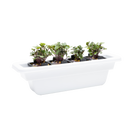
Hydroponic herb compound butter roasted mussels are exactly what they sound like: plump, briny mussels finished in a rich, herbaceous butter made from fresh herbs grown right in your own indoor hydroponic garden. Compound butter — a mixture of softened butter blended with aromatics and herbs — melts over the mussels as they roast, creating a sauce that is simultaneously oceanic, floral, and deeply savory. If you have been looking for a recipe that fully justifies growing a countertop herb garden, this is it. From the moment you snip a sprig of tarragon or a handful of flat-leaf parsley from your Personal Garden to the moment you drag crusty bread through that glossy pan sauce, every step rewards you.
Why Hydroponic Herbs Make the Best Compound Butter
Compound butter has been a cornerstone of French cooking for centuries, but the quality of that butter depends almost entirely on the quality of the herbs that go into it. Hydroponically grown herbs consistently outperform their soil-grown counterparts in both flavor concentration and availability, and the science backs that up.
According to research published through the USDA Agricultural Research Service, hydroponically grown leafy herbs can contain measurably higher concentrations of essential oils — the compounds responsible for aroma and flavor — compared to field-grown equivalents, largely because controlled nutrient delivery and consistent light exposure eliminate the stress variables that dilute flavor. When you control the water, the light spectrum, and the nutrients your herbs receive, you are effectively dialing in the exact growing conditions that maximize the oils in basil, thyme, and chives.
There is also a freshness advantage that cannot be overstated. Store-bought herbs begin losing volatile aromatic compounds the moment they are cut. A 2019 study from the University of California, Davis found that fresh-cut herbs can lose up to 40% of their essential oil content within 24 hours of harvest when stored at room temperature. When you cut herbs directly from your indoor garden and fold them into softened butter within minutes, you capture 100% of that aromatic potential. The difference in flavor is not subtle.
For this recipe, you will want a blend of soft and woody herbs. Flat-leaf parsley and chives provide bright, grassy notes. Tarragon adds a faint anise sweetness that is classically paired with seafood. Thyme contributes an earthy backbone. All four grow exceptionally well hydroponically, and all four are available as seed pods for your Rise Gardens system.
What Equipment and Ingredients Do You Need?
Good news: this indoor garden mussel recipe requires no specialized equipment beyond a standard oven, a cast iron skillet or oven-safe baking dish, and a food processor or sturdy fork. Here is everything you need to pull it together.
For the compound butter (makes about ½ cup):
- 8 tablespoons (1 stick) unsalted butter, softened to room temperature
- 2 tablespoons fresh flat-leaf parsley, finely chopped
- 1 tablespoon fresh chives, minced
- 1 tablespoon fresh tarragon leaves, finely chopped
- 1 teaspoon fresh thyme leaves
- 3 cloves garlic, minced or grated on a microplane
- 1 teaspoon lemon zest
- ½ teaspoon flaky sea salt
- ¼ teaspoon freshly cracked black pepper
- Pinch of crushed red pepper flakes (optional, for heat)
For the roasted mussels:
- 2 pounds fresh mussels, scrubbed and debearded
- ¼ cup dry white wine (a crisp Sauvignon Blanc or Muscadet works well)
- 2 tablespoons olive oil
- 1 shallot, thinly sliced
- Crusty bread or grilled sourdough for serving
Yield: Serves 2 as a main course, 4 as a starter.
Total time: 30 minutes (plus 30 minutes to soften butter).
Step-by-Step: How to Make Hydroponic Herb Compound Butter Roasted Mussels
Step 1 — Make the compound butter. Combine the softened butter with all the herbs, garlic, lemon zest, salt, pepper, and red pepper flakes in a small bowl. Use a fork to mash and mix until every ingredient is evenly distributed throughout the butter. Taste and adjust seasoning. Roll the butter into a log using plastic wrap and refrigerate for at least 20 minutes, or up to one week. You can also freeze it for up to three months — one of the great advantages of compound butter is its make-ahead flexibility.
Step 2 — Prep the mussels. Scrub each mussel under cold running water and pull away the fibrous beard (the stringy material near the hinge) by gripping it firmly and pulling toward the hinge end of the shell. Discard any mussels with cracked shells or any that remain open when tapped sharply on the counter — these are not alive and are not safe to eat. The USDA recommends cooking mussels to an internal temperature of 145°F; roasting them open-faced in a hot oven achieves this reliably.
Step 3 — Build the base. Preheat your oven to 450°F. In a large oven-safe skillet, heat olive oil over medium heat on the stovetop. Add the shallot and sauté for 2-3 minutes until softened. Pour in the white wine and let it reduce by half, about 1 minute. Remove from heat.
Step 4 — Arrange and butter. Nestle the mussels into the pan, hinge-side down. Slice the chilled compound butter into thin rounds and place one round on each mussel. The butter will melt into the shells as the mussels open, basting each one in herbed, garlicky fat.
Step 5 — Roast. Transfer the pan to the preheated oven and roast for 8-10 minutes, until all mussels have opened and the butter is bubbling and golden at the edges. Discard any mussels that have not opened after 10 minutes.
Step 6 — Serve immediately. Scatter a pinch of fresh herbs over the top, squeeze a wedge of lemon across the pan, and bring the whole skillet to the table with plenty of crusty bread. The pan liquid — a combination of mussel liquor, wine, and melted herb butter — is one of the best things you will ever dip bread into.
How Does Growing Herbs Hydroponically Change the Recipe Experience?
Beyond flavor, growing your own herbs hydroponically reshapes the entire cooking experience in practical ways. The most obvious benefit is availability. With an indoor hydroponic garden running year-round, you are never standing in a grocery store paying $3.99 for a plastic clamshell of wilted tarragon that contains exactly the amount you need for one recipe. You step to your counter, snip what you need, and walk back to the cutting board.
Hydroponics works by delivering a precisely balanced, water-based nutrient solution directly to plant roots, bypassing soil entirely. Plants grown this way typically reach harvest size 30-50% faster than soil-grown equivalents, according to data from the NASA Veggie project, which has been studying hydroponic plant growth since 2014 as part of its long-duration spaceflight research. That speed matters in a kitchen context: you can start a new set of herb pods and have fresh tarragon ready to harvest within three to four weeks.
For this fresh herb steamed mussels variation — if you prefer steaming over roasting — the same compound butter can be melted directly into a covered pot with wine and shallots. The result is a more brothy, classic presentation with the same herbaceous punch. Both methods work beautifully with hydroponically grown herbs.
If you are new to indoor gardening or have limited counter space, the Personal Garden holds up to 10 pods and fits comfortably on most kitchen countertops, making it an ideal starting point for keeping a dedicated herb collection. For households that cook more ambitiously or want to grow vegetables alongside herbs, The Rise Garden 3 supports up to 36 pods across three tiers and delivers more growing capacity without requiring a dedicated room.
Can You Customize This Recipe With Other Hydroponic Herbs?
Absolutely, and this is where having an indoor garden becomes a genuine creative advantage. The compound butter formula in this recipe is a template, not a prescription. Here are a few variations worth exploring once your garden is producing at full capacity.
Mediterranean variation: Swap tarragon for fresh oregano and add a tablespoon of finely minced Calabrian chili. This version pairs well with a light, acidic white like Vermentino.
Asian-inspired variation: Replace parsley and tarragon with fresh cilantro and Thai basil (both grow readily in hydroponic systems), add a teaspoon of fresh ginger, and finish with a few drops of fish sauce instead of sea salt. The umami layering alongside the mussel liquor is extraordinary.
Classic French variation: This is essentially the recipe above — parsley, tarragon, chives, garlic, and butter — and it is a classic for good reason. If you are growing a French herb garden, this dish is its natural showcase.
Smoky variation: Add a half-teaspoon of smoked paprika and a tablespoon of fresh thyme to the butter. This variation works particularly well if you finish the mussels under the broiler for the final 90 seconds to get slight char on the shells.
One practical note on herb management: because hydroponically grown herbs grow continuously rather than in seasonal flushes, you will often find yourself with more herb biomass than a single recipe demands. Compound butter is one of the smartest ways to preserve surplus herbs. Make a double or triple batch, freeze the logs, and you will have restaurant-quality herb butter ready to deploy on fish, steak, or pasta at any moment throughout the month.
If you want a garden that keeps pace with an ambitious cooking schedule, The Rise Loft is Rise Gardens' premium system with furniture-grade cabinet design — it holds up to 36 pods and is built to live beautifully in a kitchen or dining room, not tucked away in a utility room.
Frequently Asked Questions
Can I use frozen mussels for this hydroponic herb compound butter roasted mussels recipe?
Yes, but with adjustments. Frozen mussels are typically pre-cooked and already open, which means you are reheating them rather than cooking them through. Reduce the oven time to 4-5 minutes and focus on getting the butter melted and bubbling rather than waiting for shells to open. Fresh, live mussels produce significantly more pan liquid and have a superior texture, so they are worth seeking out when possible.
What is the best way to store leftover compound butter?
Roll unused compound butter tightly in plastic wrap or parchment paper, forming a log shape. Refrigerate for up to 7 days or freeze for up to 3 months. Label the log with the herb combination and date so you know what you are working with. Frozen compound butter can go directly from freezer to hot pan without thawing.
Which herbs grow best hydroponically for seafood recipes?
Flat-leaf parsley, chives, tarragon, thyme, basil, and dill all thrive in hydroponic systems and are the core herbs used in classic seafood preparation. Dill in particular is a standout for mussels, clams, and shrimp because its feathery fronds hold up beautifully in fat-based sauces. All of these are available as seed pods for Rise Gardens systems and reach harvest size within 3-5 weeks of germination.
How do I know when mussels are fully cooked and safe to eat?
Mussels are fully cooked when their shells have opened wide during the cooking process. The USDA Food Safety and Inspection Service guidelines state that shellfish should reach an internal temperature of 145°F to be considered safe for consumption. Any mussel that remains closed after the full cooking time should be discarded, as it was not alive before cooking and poses a food safety risk.