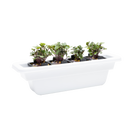
A hydroponic herb scrambled eggs recipe is exactly what it sounds like: a simple, flavor-packed breakfast made with eggs and fresh herbs harvested directly from an indoor hydroponic garden — a soil-free growing system that delivers nutrients to plant roots through water. The result is a meal that takes under 10 minutes to prepare and tastes nothing like anything made with dried herbs from a jar. If you have a countertop garden or a larger home setup, you already have everything you need to transform your morning routine.
Why Homegrown Herbs Make Better Scrambled Eggs
The difference between dried herbs and freshly snipped homegrown herbs eggs is not subtle. Fresh herbs contain volatile aromatic compounds — terpenes, phenols, and aldehydes — that begin degrading the moment a plant is cut. By the time dried herbs reach your pantry, a significant portion of that aromatic complexity is already gone.
According to the USDA Agricultural Research Service, fresh herbs can contain up to 65% more volatile flavor compounds than their dried counterparts, depending on the herb and drying method. That means chives, basil, dill, and parsley you snip 30 seconds before cooking carry a potency that supermarket dried herbs simply cannot match.
Hydroponically grown herbs take this even further. Because hydroponic plants receive a precisely controlled mix of water and nutrients delivered directly to the root zone, they tend to grow faster and more consistently than soil-grown counterparts. A 2020 study published through Cornell University's Controlled Environment Agriculture program found that hydroponically grown basil produced 11 times more biomass per square foot per year compared to field-grown basil under optimal conditions. More plant, faster growth, and richer flavor — all from your kitchen counter or living room.
Which Herbs Grow Best in a Hydroponic Indoor Garden?
Not every herb behaves the same way in a hydroponic system, but several thrive with minimal effort and are ideal for fresh herb breakfast recipes like scrambled eggs.
- Chives: Fast-growing, mild onion flavor, and almost impossible to kill. Snip them with scissors right above the waterline and they regrow within days. Perfect for eggs.
- Basil: Rich, slightly sweet, and peppery. Great in eggs paired with cherry tomatoes or mozzarella. Prefers warmer temperatures — keep it above 65°F.
- Dill: Feathery and bright, dill adds a clean, slightly anise-like flavor that pairs exceptionally well with eggs and smoked fish.
- Parsley (flat-leaf): Earthy and fresh, flat-leaf parsley brings depth without overpowering. It also provides a small but meaningful nutritional contribution — a 10-gram serving of fresh parsley contains approximately 164% of the daily recommended intake of Vitamin K, according to USDA FoodData Central.
- Tarragon: Slightly anise-forward and elegant — the French classic for egg dishes. It grows well hydroponically and is rarely found fresh at grocery stores, making it a great reason to grow your own.
- Thyme: Woody and aromatic, thyme is slower to grow but incredibly rewarding. Use it sparingly in eggs.
All of these herbs are available as seed pods for Rise Gardens systems, so you can start growing a full herb rotation right away.
What Equipment Do You Need for an Indoor Herb Garden?
Growing fresh herbs indoors for cooking doesn't require a greenhouse or a green thumb. Modern hydroponic systems are designed to handle the hard parts — water levels, light cycles, and nutrient delivery — so you can focus on cooking.
If you're working with limited counter space, the Personal Garden is a compact countertop hydroponic garden that holds up to 12 plant pods. It fits on a kitchen counter, a desk, or a windowsill, and it's an ideal starting point for growing a dedicated breakfast herb collection. Chives, basil, dill, and parsley in a single unit — that's enough variety to cover every fresh herb breakfast recipe you'll make this year.
For households that want more growing capacity — or want to grow herbs alongside lettuces, peppers, and other vegetables — the The Rise Garden 3 is a full-size indoor hydroponic garden system with multiple tiers. It holds significantly more pods and is designed to feed a household year-round without seasonal interruption.
If design matters as much as function, the The Rise Loft is a premium indoor garden with furniture-grade design that looks as good in a dining room as it does in a kitchen. It's built from solid wood and powder-coated steel, and it holds up to 36 plant pods across three tiers.
Whichever system you use, the core concept of hydroponics is the same: plants grow in water enriched with a balanced mineral nutrient solution, usually measured by electrical conductivity (EC) — a number that reflects how many dissolved minerals are present in the water. Rise Gardens systems are designed to maintain optimal EC levels automatically, so you don't need a chemistry background to grow great herbs.
The Hydroponic Herb Scrambled Eggs Recipe
This recipe is built around a classic French soft-scramble technique — low heat, constant movement, and a finish of butter — elevated by a generous handful of freshly harvested herbs from your indoor garden. This is the kind of breakfast that feels like an indoor garden breakfast idea made reality.
Ingredients (Serves 2)
- 4 large eggs
- 2 tablespoons unsalted butter, divided
- 2 tablespoons whole milk or heavy cream
- 1 tablespoon fresh chives, finely snipped
- 1 tablespoon fresh flat-leaf parsley, roughly chopped
- 1 teaspoon fresh dill, roughly torn
- 1 teaspoon fresh tarragon leaves (optional but highly recommended)
- Flaky sea salt and freshly cracked black pepper to taste
- Optional: 1 oz soft goat cheese or crème fraîche for finishing
Instructions
- Harvest your herbs. Snip chives, parsley, dill, and tarragon directly from your hydroponic garden. Rinse lightly under cold water and pat dry. Prep all herbs before you start cooking — once eggs hit the pan, you won't have time to stop.
- Whisk the eggs. Crack 4 eggs into a bowl. Add milk or cream, a pinch of salt, and whisk vigorously until fully combined and slightly frothy. Some cooks prefer to season eggs only at the end — both approaches work, but early seasoning with salt can slightly tighten the protein structure, giving you a creamier texture.
- Start with a cold pan. Add 1 tablespoon of butter to a non-stick skillet and pour the egg mixture in before the pan is fully hot. Set the heat to low-medium.
- Move constantly. Using a silicone spatula, gently push and fold the eggs from the edges toward the center in slow, continuous strokes. The goal is small, soft curds — not a dry, rubbery mass.
- Pull from heat early. When the eggs are about 80% set — still glossy and slightly underdone — remove the pan from heat. The residual heat will finish cooking them. Add the remaining tablespoon of butter and fold it in.
- Add herbs last. Fold in the chives, parsley, dill, and tarragon off the heat. This preserves the volatile aromatic compounds and keeps the herbs bright green and fresh-tasting rather than wilted and bitter.
- Plate and finish. Spoon onto warm plates. Add a dollop of goat cheese or crème fraîche if using. Top with extra chives and flaky sea salt. Serve immediately.
Timing and Serving Tips
Total prep time: 5 minutes. Total cook time: 4–6 minutes. This recipe works equally well on toast, in a warm tortilla, or alongside roasted cherry tomatoes from your garden. Swap in any combination of herbs based on what you have growing — the technique stays the same.
How Does Growing Your Own Herbs Change the Way You Cook?
Ask anyone who has grown herbs indoors for a few months and they'll tell you the same thing: it changes the default. Instead of asking "do I have herbs?" you start asking "which herbs do I want today?" That mental shift is subtle but transformative for how you approach everyday cooking.
NASA's Veggie project — developed to study plant growth aboard the International Space Station — identified psychological and behavioral benefits of tending living plants in enclosed environments, including increased engagement with food preparation and a stronger connection to meals. While that research was conducted in a very specific context, it supports something home gardeners report consistently: growing your own food makes you more likely to use it.
From a practical standpoint, having a live herb garden eliminates the cost and waste of buying fresh herbs in plastic clamshells. The average American household throws away approximately $1,600 worth of food per year, according to the USDA Economic Research Service — and wilted, unused fresh herbs are a significant contributor to that number. A hydroponic indoor garden lets you snip exactly what you need, when you need it, with zero waste.
Homegrown herbs eggs aren't just about flavor. They're about building a cooking habit that starts with intention — walking to your garden, choosing what to harvest, and cooking with ingredients you actually grew yourself.
Variations and Seasonal Swaps for Your Indoor Garden Breakfast
Once you have the base recipe down, the variations are practically endless. Here are a few worth trying as different herbs reach peak harvest in your system:
- Basil and sun-dried tomato: Fold in torn fresh basil and a few chopped sun-dried tomatoes for an Italian-leaning version. Add a pinch of red pepper flakes.
- Dill and smoked salmon: Double the dill, skip the tarragon, and serve over a slice of toasted sourdough with a fold of smoked salmon and a squeeze of lemon.
- Thyme and gruyère: Add fresh thyme leaves and a tablespoon of shredded gruyère as the eggs finish cooking. Rich, nutty, and deeply satisfying.
- Chive and crème fraîche: The simplest version — just chives and a generous spoonful of crème fraîche. Classic French bistro energy.
- Mixed spring herbs: Use equal parts chives, parsley, chervil (if you're growing it), and tarragon for a traditional fines herbes mixture — the French herb blend traditionally paired with eggs and delicate proteins.
These indoor garden breakfast ideas work any time of year because your hydroponic garden isn't dependent on seasons. Your herbs grow under consistent LED light on a controlled schedule, producing harvestable leaves in as little as 3–4 weeks from planting, regardless of the weather outside.
Frequently Asked Questions
Can I use any herbs from my hydroponic garden in scrambled eggs?
Most soft herbs grow well in hydroponic systems and work beautifully in scrambled eggs — chives, basil, parsley, dill, tarragon, and chervil are the classics. Avoid woody or very resinous herbs like rosemary and sage in this preparation, as their intensity can easily overpower eggs. If you want to use them, chop finely and use no more than half a teaspoon per serving.
How long does it take to grow herbs in a hydroponic system before they're ready to harvest?
Most culinary herbs reach their first harvest in 3–5 weeks from planting in a hydroponic system, compared to 6–10 weeks in soil. Chives and basil tend to be the fastest. Once established, herbs can be harvested continuously by snipping the top third of growth — this encourages bushier, fuller plants rather than tall, leggy ones.
Does hydroponically grown food taste different from soil-grown food?
Hydroponic herbs are widely reported to taste as good as or better than soil-grown herbs, largely because nutrient delivery is optimized and plants are harvested at peak freshness. Flavor is influenced by many variables including light intensity, temperature, and the specific mineral balance in the nutrient solution — all of which can be fine-tuned in a controlled indoor system. The most consistent factor is harvest time: herbs snipped immediately before cooking retain significantly more aromatic compounds than anything that has spent days in transit or storage.
What's the best way to store fresh herbs if I harvest more than I need?
For soft herbs like basil, parsley, chives, and dill, the best storage method is to trim the stems, place them upright in a glass with about an inch of water, and loosely cover with a plastic bag in the refrigerator. Stored this way, most fresh herbs remain usable for 5–10 days. Basil is the exception — it's cold-sensitive and does better stored at room temperature on the counter, away from direct sun.