A hydroponic herb soup recipe is exactly what it sounds like: a soul-warming soup built around fresh herbs grown in a soilless, water-based indoor growing system — no outdoor garden, no grocery store run, no wilted herb bundles at the back of your fridge. Hydroponics is a method of growing plants in a nutrient-rich water solution rather than soil, and when you combine that with a cozy pot of homemade soup, the flavor payoff is extraordinary. The herbs you clip directly from your Rise Garden 3 or countertop setup haven't traveled 1,500 miles to reach your cutting board — they've traveled about three feet. That difference shows up unmistakably in your bowl.
Why Hydroponic Herbs Make a Better Soup
Freshness is the single biggest flavor variable in herb-forward soups, and hydroponically grown herbs have a measurable advantage here. A 2016 study from the University of Mississippi found that hydroponically grown basil contained higher concentrations of essential oils compared to soil-grown counterparts grown under identical light conditions — and it's those volatile oils that give herbs their punchy, aromatic character.
Beyond flavor, there's a practical nutrition angle. According to the USDA, fresh herbs begin losing water-soluble vitamins like vitamin C within hours of harvest. When you grow your own indoor garden herb soup ingredients and clip them minutes before they hit the pot, you're capturing nutrients at their peak. That's a direct benefit of the short distance between plant and pot.
Hydroponically grown herbs also tend to grow faster and more consistently than soil-grown herbs. NASA's Veggie project — which has been testing plant growth in microgravity aboard the International Space Station since 2014 — demonstrated that controlled-environment agriculture produces reliable yields with significantly less water than conventional growing: up to 90% less water usage compared to traditional soil farming. Your indoor herb garden operates on the same core principle: precise nutrient delivery, consistent moisture, no waste.
When you're building a broth, those density and oil differences matter enormously. A few sprigs of hydroponically grown thyme or a generous handful of fresh parsley from your Personal Garden adds complexity that dried herbs simply can't replicate.
The Best Herbs to Grow for Soup (And How to Set Them Up)
Not every herb earns equal real estate in a soup pot. Here's a focused list of what to grow specifically for soups, stews, and broths — all of which thrive in a hydroponic system:
- Flat-leaf Italian Parsley — The workhorse of soup herbs. Adds brightness and color to both broth and garnish. Grows quickly in hydroponics and benefits from regular harvesting.
- Thyme — Low and compact, thyme is ideal for smaller setups. Its earthy, slightly floral flavor deepens in long-simmered soups. It also takes 30–50% less space than most leafy herbs.
- Oregano — A classic soup herb with a robust, savory profile. Grows vigorously in hydroponic systems and handles heavy harvesting well.
- Basil — Best added at the end of cooking to preserve its brightness. Grows fast hydroponically — often ready to harvest within 3–4 weeks of germination.
- Rosemary — Woody and aromatic, rosemary is ideal for bean soups and hearty vegetable broths. Takes slightly longer to establish but rewards patience.
- Chives — Perfect as a finishing herb. Snip directly over the bowl just before serving for a mild onion note.
To get started, pick up a set of herb seed pods designed specifically for Rise Gardens systems. Each pod comes pre-seeded and is engineered to work with Rise Gardens' water delivery system, so you don't need to fuss with germination trays or transplanting. Set up your chosen herbs, dial in your pH (hydroponic systems perform best at a pH between 5.5 and 6.5) and EC (electrical conductivity, a measure of nutrient concentration in your water), and you'll have harvestable herbs in as little as three to five weeks depending on the variety.
Hydroponic Herb Soup Recipe: A Fresh Herb Minestrone
This fresh herb minestrone is built to showcase what your indoor garden can do. It's a classic Italian-style vegetable soup elevated entirely by the quantity and quality of fresh herbs you fold in throughout the cooking process. Consider this a template — swap vegetables based on what's in season or what you have on hand.
Ingredients
- 3 tablespoons olive oil
- 1 medium yellow onion, diced
- 3 cloves garlic, minced
- 2 medium carrots, sliced into rounds
- 2 stalks celery, sliced
- 1 medium zucchini, diced
- 1 can (14 oz) diced tomatoes
- 1 can (14 oz) cannellini beans, drained and rinsed
- 6 cups vegetable broth (low sodium preferred)
- 1 cup small pasta (ditalini or elbow)
- 1 Parmesan rind (optional, but highly recommended for depth)
- 3 tablespoons fresh thyme leaves (from your garden)
- 3 tablespoons fresh oregano, roughly chopped
- ½ cup flat-leaf parsley, chopped (divided — half for cooking, half for finishing)
- ¼ cup fresh basil, torn (for finishing only)
- Salt and black pepper to taste
- Red pepper flakes (optional)
- Freshly grated Parmesan for serving
Instructions
- Build the base. Heat olive oil in a large heavy-bottomed pot over medium heat. Add onion and a pinch of salt. Cook 5–7 minutes until softened and translucent. Add garlic and cook another 60 seconds.
- Add the vegetables. Stir in carrots and celery. Cook 4–5 minutes. Add zucchini and cook another 3 minutes.
- Layer in the herbs early. Add thyme and oregano directly to the vegetables. Stir and let the herbs bloom in the oil for about 90 seconds before adding any liquid. This step unlocks their essential oils in a way that simply dropping them into broth does not.
- Add tomatoes and broth. Pour in diced tomatoes and vegetable broth. Add Parmesan rind if using. Bring to a boil, then reduce to a steady simmer.
- Add beans and pasta. Stir in cannellini beans. Add pasta and cook according to package directions until al dente (usually 8–10 minutes). If making ahead, cook pasta separately and add when serving to prevent it from getting mushy.
- Finish with fresh herbs. Remove Parmesan rind. Stir in the remaining parsley. Remove from heat and fold in torn basil. Taste and adjust salt, pepper, and red pepper flakes.
- Serve immediately. Ladle into bowls and top with a generous shower of grated Parmesan and a few extra parsley leaves or chive snips from your garden.
Yield and Timing
Serves 6. Total time: approximately 45 minutes. This soup stores well — refrigerate for up to 4 days. Freeze without pasta for up to 3 months.
How Do You Use Hydroponically Grown Herbs in Cooking?
This is one of the most common questions from new indoor gardeners, and the honest answer is: exactly the same way you'd use any fresh herb, just more confidently and more generously. When your herbs are growing three feet away in your kitchen or dining room, you stop rationing them like they cost $4 a bunch at the grocery store — because they don't anymore. That psychological shift changes how you cook.
A few technique notes worth keeping in mind for soup specifically:
- Hardy herbs go in early. Thyme, rosemary, and oregano have sturdy cell structures that hold up to heat. Add them at the sauté stage or early in simmering to build deep background flavor.
- Tender herbs go in last. Basil, parsley, and chives are high in delicate volatile compounds that dissipate with heat. Add them off-heat or just before serving.
- Don't skip the bloom. As demonstrated in Step 3 above, briefly cooking fresh herbs in oil before adding liquid releases fat-soluble flavor compounds that water can't extract. This is especially true for thyme and oregano.
- Use stems when appropriate. Parsley stems are nearly as flavorful as the leaves and hold up well in long-simmered broths. Bundle them with a piece of kitchen twine and fish them out before serving.
If your indoor garden is producing more than you can use in one meal — which is a genuinely great problem to have — you can freeze tender herbs in olive oil using ice cube trays, or hang bundles of hardy herbs to dry. But if you're making a homegrown herb vegetable soup, fresh is always the move.
What Hydroponic System Works Best for a Soup Herb Garden?
The right system depends on how many herbs you want to grow at once and how much counter or floor space you're working with. Here's an honest breakdown:
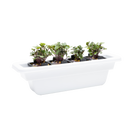
If you're focused purely on herbs and want a compact, countertop setup that fits comfortably in a kitchen, the Personal Garden is a natural starting point. It holds multiple pods, fits on most countertops, and keeps your herbs within arm's reach of the stove. For someone who cooks soup weekly and wants a steady supply of thyme, parsley, and basil, this setup works exceptionally well.
If you want to go bigger — growing herbs alongside leafy greens, small peppers, or even cherry tomatoes to add to your soups — the Rise Garden 3 gives you multi-tier growing capacity and the flexibility to run a full kitchen garden year-round. You can dedicate one tier entirely to soup herbs and use the other tiers for salad greens or other vegetables.
For those who want a system that doubles as a design statement in their home, The Rise Loft brings furniture-grade craftsmanship to the indoor garden. It's a full-size growing system built with premium materials that looks intentional in a kitchen or living space — not like equipment you're hiding in a corner.
Whichever system you choose, make sure you're pairing it with quality nutrients formulated for hydroponic systems. Plant nutrients in hydroponics replace everything the soil would normally provide — macronutrients like nitrogen, phosphorus, and potassium, plus micronutrients like calcium and magnesium. Using the right nutrient formula at the correct EC level is what produces the dense, aromatic herbs that make a soup like this one worth writing home about.
Tips for Keeping Your Herb Supply Consistent All Year
One of the most compelling advantages of hydroponic indoor growing is the elimination of seasonality. Your soup doesn't care what month it is. Neither does your garden. But keeping a consistent, harvestable supply of herbs does take a small amount of planning.
Stagger your plantings. Rather than starting six herb pods all at once, start three and plant the other three two to three weeks later. This ensures you always have herbs at different stages of growth — some ready to harvest, some maturing, some just getting started. It's called succession planting, and it's standard practice in commercial herb production for exactly this reason.
Harvest regularly and deliberately. Hydroponically grown herbs respond well to frequent harvesting. Cutting back basil above a leaf node, for example, encourages the plant to branch outward rather than grow tall and bolt. Regular harvesting keeps plants productive and delays flowering, which often signals the end of a plant's useful culinary life.
Monitor your pH weekly. A pH drift above 6.5 or below 5.5 can lock out specific nutrients even when they're present in the water, causing slow growth, yellowing, or poor flavor development. Most Rise Gardens systems make monitoring straightforward, but building a weekly check into your routine prevents small drifts from becoming big problems.
Replace pods on a rolling schedule. Herbs like basil have relatively short productive windows — typically 60–90 days before they begin to bolt or decline. Thyme and rosemary last considerably longer. Knowing your plants' timelines helps you start replacement pods before you're caught without fresh thyme on soup night.
Frequently Asked Questions
Can I use hydroponic herbs directly from the garden in soup without washing them?
Yes, hydroponically grown herbs are grown in a closed, soilless system without pesticide exposure, which means they're generally very clean. That said, a quick rinse under cool water takes about five seconds and removes any dust or residue from the growing environment. It's a simple habit worth keeping.
How many herb plants do I need to make soup regularly?
For weekly soup cooking, a practical baseline is two pods each of parsley and thyme, and one pod each of basil and oregano. That gives you enough to harvest generously for cooking while allowing each plant time to recover between cuts. Most hydroponic herb plants can be harvested every 7–14 days once they're established.
What is EC and why does it matter for growing soup herbs?
EC stands for electrical conductivity, and it measures how concentrated the nutrient solution in your hydroponic reservoir is. Higher EC generally means more nutrients available, but too high can stress plants and affect flavor. For most culinary herbs, an EC between 1.6 and 2.2 mS/cm is considered the productive sweet spot. Rise Gardens systems are designed to make managing this straightforward, even for first-time growers.
Can I freeze soup made with fresh hydroponic herbs?
Absolutely. Soups like this fresh herb minestrone freeze beautifully for up to three months, though the texture of pasta and some vegetables softens after freezing. For best results, freeze the soup base without pasta and cook fresh pasta when you reheat it. The flavor of the herbs holds remarkably well through freezing when they've been cooked into the broth during the original recipe.