This hydroponic herb gnocchi recipe is the dish that finally makes all those lush, fragrant herbs growing on your kitchen counter feel like the stars they are. If you grow herbs indoors using a hydroponic system — a soil-free method of cultivating plants in nutrient-rich water — you already have access to some of the freshest, most flavorful ingredients available anywhere. This recipe channels that freshness into a restaurant-worthy pan of pillowy gnocchi bathed in a golden brown butter sauce loaded with sage, thyme, and basil you harvested yourself. It comes together in under 30 minutes, and every component benefits directly from the quality of what you grow at home.
Why Homegrown Herbs Make This Brown Butter Gnocchi Taste Different
If you have ever compared a bunch of grocery store sage to a sprig snipped fresh from a living plant, you already understand. Herbs begin losing volatile aromatic compounds — the essential oils responsible for flavor and fragrance — within hours of being cut. According to research from the University of California Cooperative Extension, fresh-cut herbs can lose up to 40% of their aromatic compounds within 24 hours of harvest when stored at room temperature. That means the basil sitting in a plastic clamshell at the supermarket is already a diminished version of itself before it ever reaches your kitchen.
Hydroponic herbs sidestep that problem entirely. Because your indoor garden sits on your countertop or in your living space, harvest-to-plate time can be measured in minutes, not days. Hydroponically grown plants also tend to produce higher concentrations of secondary metabolites — the compounds behind flavor and aroma — because the controlled growing environment allows growers to dial in nutrients, light, and water delivery precisely. For this homegrown herb brown butter gnocchi, that difference is unmistakable in every bite.
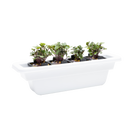
The herbs you will want growing before you make this recipe are sage, thyme, flat-leaf parsley, and basil. All four are straightforward to grow in a countertop hydroponic garden like the Personal Garden, a compact system designed to sit right on your kitchen counter so fresh ingredients are always within arm's reach. Start your herb seed pods about three to four weeks before you plan to cook this dish, and you will have mature, harvestable plants ready to go.
What You Need: Ingredients and Equipment
This indoor garden gnocchi sauce is built around a handful of pantry staples elevated by the quality of your fresh herbs. Here is everything you need.
For the gnocchi and sauce:
- 1 pound store-bought potato gnocchi (or homemade if you prefer)
- 6 tablespoons unsalted butter
- 8–10 fresh sage leaves, harvested from your hydroponic garden
- 4 sprigs fresh thyme, leaves stripped
- 2 tablespoons fresh flat-leaf parsley, roughly chopped
- 1 tablespoon fresh basil, torn
- 3 cloves garlic, thinly sliced
- 1/2 teaspoon crushed red pepper flakes (optional)
- Kosher salt and freshly cracked black pepper
- 1/4 cup reserved pasta cooking water
- Freshly grated Parmesan, to finish
- Lemon zest from 1 lemon
Equipment:
- Large skillet (stainless steel or cast iron works best for browning)
- Large pot for boiling gnocchi
- Tongs or a slotted spoon
- Microplane for Parmesan and lemon zest
Step-by-Step: How to Make the Fresh Herb Pan Sauce Gnocchi
This fresh herb pan sauce gnocchi comes together in three stages: cooking the gnocchi, building the brown butter base, and bringing it all together. Do not rush the butter — the browning step is where the flavor lives.
Step 1: Cook the gnocchi. Bring a large pot of well-salted water to a boil. Cook the gnocchi according to package directions until they float and have been in the water for about 30 seconds after surfacing. Before draining, scoop out 1/4 cup of the starchy cooking water and set it aside. Drain the gnocchi and set aside.
Step 2: Brown the butter. In a large skillet over medium heat, melt the butter. Swirl the pan occasionally and watch closely. After about 3–4 minutes, the butter will foam, then the foam will subside, and you will see golden-brown specks forming on the bottom of the pan. You will smell a distinct nutty, toasty aroma. That is the Maillard reaction at work — the same browning chemistry responsible for the crust on a seared steak. Remove the pan from heat briefly if it browns too fast.
Step 3: Crisp the sage. Add the sage leaves to the browned butter over medium heat. They will sizzle and crisp within 45–60 seconds. Remove them with tongs and set aside on a paper towel. They will become your garnish.
Step 4: Build the sauce. Add the garlic slices to the butter and cook for 60 seconds until golden. Add the thyme leaves and red pepper flakes. Stir for 30 seconds. Add the reserved pasta water and swirl to emulsify the butter into a loose, glossy sauce.
Step 5: Pan-fry the gnocchi. Add the drained gnocchi directly to the skillet. Toss to coat and let them sit undisturbed for 1–2 minutes to develop a light golden crust on one side. This step is optional but adds great texture.
Step 6: Finish and plate. Remove from heat. Add the parsley, torn basil, and lemon zest. Toss gently. Plate immediately, top with the crispy sage leaves and a generous shower of freshly grated Parmesan. Finish with cracked black pepper.
Which Herbs Can You Grow Hydroponically for This Recipe?
Every herb in this recipe grows exceptionally well in a hydroponic system. Sage, thyme, parsley, and basil are among the most reliable and fastest-maturing herbs for indoor hydroponic growing. Here is a quick breakdown of what to expect from each one.
Basil is one of the most popular hydroponic herbs and grows rapidly under full-spectrum LED lighting. It typically reaches harvest size in 21–28 days from transplant and thrives at a pH of 5.5–6.5 and an electrical conductivity (EC) — a measure of nutrient concentration in the water — of 1.0–1.6 mS/cm.
Sage is a woody perennial that grows a little slower but rewards patience. Expect harvestable leaves in about 28–35 days. It prefers a slightly lower EC around 1.0–1.6 mS/cm and good airflow to prevent moisture stress.
Thyme is compact, vigorous, and highly productive in a hydroponic setup. It grows well at pH 5.5–7.0 and produces dense, flavorful sprigs ready in approximately 28 days.
Flat-leaf parsley germinates more slowly than the others — often taking 14–21 days just to sprout — but once established, it produces abundantly. pH range of 6.0–7.0 works well.
For a household that cooks regularly with herbs, a system like The Rise Garden 3 provides enough growing capacity to keep all four of these herbs in rotation simultaneously, with room to add greens, edible flowers, or other culinary plants alongside them. Make sure your plants are fed consistently with quality nutrients formulated for edible crops — this is one of the most important variables in producing flavorful, vigorous herbs indoors.
Is Hydroponic Growing Actually Better for Fresh Herbs?
The evidence strongly suggests yes, particularly when freshness and flavor intensity are the goal. NASA's Veggie project, which has studied plant growth in controlled environments since the early 2000s, found that plants grown in optimized hydroponic conditions can yield biomass 30–50% faster than their soil-grown counterparts under equivalent lighting conditions. While the Veggie project was designed to study food production in space, its findings have broad implications for indoor home growing: when you control water delivery, nutrient availability, and light duration precisely, plants grow faster and more efficiently.
Faster growth cycles mean fresher harvests. And fresher harvests mean more flavorful food. A 2019 study published in the journal Food Chemistry found that hydroponically grown basil contained significantly higher concentrations of linalool and eugenol — two of the primary aromatic compounds responsible for basil's characteristic flavor — compared to field-grown samples harvested after transport and storage.
For home cooks who want consistent access to restaurant-quality fresh herbs year-round, a premium indoor system like The Rise Loft delivers that in a furniture-grade design that fits naturally into a modern home. Growing your own also eliminates the packaging waste and food miles associated with store-bought herbs, which is a meaningful consideration — the USDA estimates that approximately 30–40% of the U.S. food supply is lost or wasted, and delicate fresh herbs are among the most commonly discarded grocery items due to their short shelf life.
Tips for Getting the Most Flavor From Your Hydroponic Herbs
A few simple practices will dramatically improve the flavor payoff from your indoor herb garden and make this recipe even better every time you cook it.
Harvest in the morning. The concentration of essential oils in herb leaves is highest in the morning after the plants have had a full light cycle. Even if your indoor garden runs on an artificial light schedule, harvest after the lights have been on for a few hours for peak flavor.
Harvest before flowering. Once herbs like basil and thyme begin to flower, their flavor shifts and often becomes more bitter. Pinch off any flower buds as soon as they appear to encourage the plant to keep producing flavorful foliage.
Use immediately after cutting. For this recipe specifically, the goal is minimal time between snip and skillet. Tear basil rather than chopping it to reduce oxidation. Add delicate herbs like basil off the heat to preserve their aromatic compounds.
Match hardy to heat, delicate to finish. Sage and thyme can withstand direct heat and even benefit from it — they release their oils and become more fragrant when cooked. Basil and parsley are better added at the end, away from intense heat, so their brightness and freshness come through in the final dish.
Keep your nutrient solution dialed in. Flavor in herbs is closely tied to plant stress and nutrient balance. A plant that is deficient in key minerals will produce fewer aromatic compounds. Following a proper feeding schedule using a balanced hydroponic nutrient solution keeps your herbs productive and flavorful through multiple harvests.
Frequently Asked Questions
Can I use dried herbs instead of fresh hydroponic herbs in this gnocchi recipe?
You can, but the dish will taste noticeably different. Dried herbs are more concentrated by weight, so use about one-third the amount the recipe calls for. That said, the brightness, fragrance, and textural contrast — especially the crispy sage garnish — are only achievable with fresh herbs. This recipe is specifically designed to showcase what fresh hydroponic herbs do that dried herbs simply cannot replicate.
How long does it take to grow enough herbs to make this recipe?
Most culinary herbs grown in a hydroponic system reach harvestable size in 21–35 days from transplanting seedlings. Basil and thyme are typically ready in about three weeks, while sage and parsley may take closer to four to five weeks. If you start your seed pods now, you will likely have enough to cook this dish within a month.
What is the best hydroponic system for growing cooking herbs at home?
It depends on how many herbs you want to grow at once. For a small household focused on a few varieties, a compact countertop system offers simplicity and convenience right in the kitchen. For more serious culinary gardeners who want multiple herb types plus greens and other vegetables growing simultaneously, a larger multi-tier system gives you the capacity to keep your kitchen stocked year-round without interruption.
Does the brown butter sauce work with homemade gnocchi too?
Absolutely — homemade potato gnocchi works beautifully here and will hold up even better to the pan-frying step in this recipe because you can control the density and size of each dumpling. If you make your own, aim for gnocchi that are slightly firm rather than very soft, as they will crisp more evenly in the brown butter and hold their shape when tossed in the sauce. The fresh herb pan sauce complements both versions equally well.