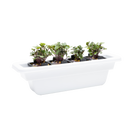
This hydroponic herb compound butter roasted nuts recipe transforms a humble bowl of mixed nuts into something genuinely extraordinary — and the secret ingredient is a compound butter made entirely from herbs you grow yourself indoors. Compound butter is simply softened butter blended with fresh aromatics, herbs, or seasonings, then used as a finishing fat to coat and flavor roasted nuts before they go into the oven. When those herbs come straight from a hydroponic garden on your countertop or in your living room, you get peak-freshness flavor that dried herbs simply cannot match. Hydroponics — the method of growing plants in a nutrient-rich water solution rather than soil — produces herbs with concentrated essential oils and vibrant color, and this recipe puts all of that to delicious use.
Why Hydroponic Herbs Make the Best Compound Butter for Roasted Nuts
There is a measurable difference between herbs grown hydroponically and those sitting in a plastic clamshell at the grocery store. Herbs destined for supermarket shelves are typically harvested days before you purchase them, and flavor compounds begin degrading almost immediately after cutting. According to the USDA Agricultural Research Service, fresh produce can lose 15 to 55 percent of its vitamin C and aromatic volatile compounds within the first two to four days post-harvest — which means that "fresh" rosemary at the store may already be well past its flavor peak by the time it reaches your kitchen.
Hydroponic herbs grown at home are harvested seconds before you use them. That time-to-table gap is essentially zero, and you can taste the difference in this recipe. The essential oils in rosemary, thyme, and chives — the compounds responsible for their signature aromas — are at their most potent when the herb is freshly clipped. NASA's Veggie project, which studies plant growth in controlled environments, has consistently demonstrated that crops grown under optimized light and nutrient conditions develop higher concentrations of phytonutrients and flavor compounds compared to field-grown counterparts under variable conditions.
For this recipe, you'll want a combination of woody and soft herbs. Rosemary and thyme hold up beautifully to oven heat, while chives and flat-leaf parsley add a bright, grassy finish. If you're growing all of these in one system — like The Rise Garden 3, a full-size indoor hydroponic garden system that can support up to 36 plants simultaneously — you'll have more than enough herb supply to make this recipe repeatedly throughout the year.
Ingredients for Hydroponic Herb Mixed Nuts with Compound Butter
This recipe yields approximately 4 cups of seasoned nuts and serves 8 to 10 people as a snack or appetizer component.
For the compound butter:
- 6 tablespoons unsalted butter, softened to room temperature
- 1 tablespoon fresh rosemary, finely minced (from your indoor garden)
- 1 tablespoon fresh thyme leaves, stripped from stems
- 1 tablespoon fresh flat-leaf parsley, finely chopped
- 1 tablespoon fresh chives, thinly sliced
- 1 teaspoon garlic, minced (optional, or grow your own green garlic hydroponically)
- 1 teaspoon flaky sea salt
- ½ teaspoon freshly cracked black pepper
- ¼ teaspoon smoked paprika
- 1 teaspoon honey or maple syrup (for balance)
For the nut base:
- 1 cup raw cashews
- 1 cup raw almonds
- 1 cup raw pecans
- 1 cup raw walnuts
Starting with seed pods for rosemary, thyme, parsley, and chives in your indoor garden ensures you have a continuous supply of these herbs year-round. Each of these herbs grows readily in hydroponic conditions and can be harvested using the cut-and-come-again method, meaning you snip what you need and the plant continues producing for months.
Step-by-Step: How to Make Homegrown Herb Spiced Nuts
This homegrown herb spiced nuts recipe comes together in about 35 minutes from start to finish, with most of that time being hands-off oven roasting.
Step 1 — Make the compound butter. In a medium bowl, combine the softened butter with all of the minced hydroponic herbs, garlic (if using), sea salt, black pepper, smoked paprika, and honey. Use a fork or a small spatula to work everything together until completely uniform. The butter should be visibly flecked with green throughout. Taste it on its own — it should be savory, aromatic, and slightly sweet. Adjust salt if needed.
Step 2 — Preheat and prep. Preheat your oven to 325°F (163°C). Line a large rimmed baking sheet with parchment paper. This temperature is intentionally moderate — too high and the butter scorches before the nuts toast through.
Step 3 — Coat the nuts. Add all four cups of raw nuts to a large mixing bowl. Add the herb compound butter and toss thoroughly until every nut is coated. This takes about 2 to 3 minutes of active stirring — don't rush it. Uneven coating means uneven flavor.
Step 4 — Roast. Spread the coated nuts in a single, even layer on the prepared baking sheet. Roast for 22 to 26 minutes, stirring once at the halfway mark. The nuts are ready when they're deep golden brown and the herb coating has formed a fragrant, slightly crisp crust on the surface.
Step 5 — Cool completely. Transfer the nuts to a clean parchment sheet or a wire rack and let them cool for at least 15 minutes before serving. The compound butter coating firms back up as it cools, creating that satisfying crunch. Serve at room temperature. Store in an airtight container at room temperature for up to 5 days, or refrigerate for up to 2 weeks.
What Are the Best Herbs to Grow Hydroponically for Savory Cooking?
Not all herbs behave the same way in a hydroponic system, and understanding which ones thrive will help you build the most useful kitchen herb garden possible. For savory recipes like this indoor garden herb roasted nuts dish, these are the top performers:
Rosemary grows slowly in hydroponic systems but rewards patience with intensely resinous, oil-rich needles. It prefers a slightly lower pH — ideally between 5.5 and 6.0. pH is the measure of acidity or alkalinity in your nutrient solution, and most hydroponic herbs grow best in the 5.5 to 6.5 range. Rosemary's essential oils are dominated by 1,8-cineole and camphor, which are the compounds that hold up so well to high heat in this roasted nut recipe.
Thyme is one of the fastest-growing and most forgiving herbs in a hydroponic setup. It thrives at the same pH range as rosemary and can be harvested repeatedly. Thyme contains thymol, an antimicrobial compound that also contributes its characteristic warm, slightly medicinal aroma to the compound butter.
Parsley grows vigorously in hydroponic conditions. Flat-leaf (Italian) parsley is preferable to curly for cooking because it has a stronger flavor profile and higher essential oil content. Parsley is a heavy nutrient feeder — ensure your nutrients are properly balanced and your EC (electrical conductivity, a measure of nutrient concentration in your water) stays in the 1.0 to 1.6 mS/cm range for optimal growth.
Chives are arguably the easiest herb to grow indoors hydroponically. They require minimal maintenance, can be harvested within 3 to 4 weeks of germination, and regrow quickly after cutting. Their mild onion flavor brightens the compound butter without overpowering the woodier herbs.
If you have a compact kitchen space, a Personal Garden — a countertop hydroponic garden designed for smaller households — can comfortably grow all four of these herbs in pods simultaneously, keeping you stocked for this recipe and a dozen other culinary uses.
How Do Hydroponic Herbs Compare in Flavor to Store-Bought?
This is a question worth answering with specifics. A 2021 study from the University of Arizona's Controlled Environment Agriculture Center found that hydroponically grown basil contained up to 40 percent more essential oil content compared to field-grown basil harvested under standard commercial conditions. While that particular study focused on basil, the principle extends to other essential-oil-rich culinary herbs including rosemary, thyme, and oregano — all of which are governed by similar volatile compound development mechanisms.
Beyond chemistry, there is also a textural argument. Freshly harvested hydroponic herbs retain their full moisture content and structural integrity. When you mince a just-clipped rosemary sprig into butter, the cell walls release their oils directly into the fat, infusing it more completely than dried or older herbs can. The result in this hydroponic herb mixed nuts recipe is a compound butter with noticeably more fragrance and depth.
Practically speaking, growing your own herbs also eliminates the frustrating math of grocery herb packaging. Most store-bought herb clamshells contain 0.5 to 0.75 ounces of product — barely enough for one recipe. A mature hydroponic thyme or rosemary plant can yield several tablespoons of fresh herb per harvest, giving you exactly what you need with no waste and no extra trip to the store.
Serving Ideas and Variations for Your Indoor Garden Herb Roasted Nuts
This indoor garden herb roasted nuts recipe is versatile enough to anchor several different serving contexts. Here are the most effective ways to use them:
Cheese and charcuterie boards. These herb-compound-butter nuts are one of the best additions to any cheese board. Their savory, buttery coating complements aged cheddars, manchego, and firm blues particularly well. Arrange them alongside pickled vegetables, cured meats, and crusty bread for a complete spread.
Salad topping. Roughly chop a handful of the cooled nuts and scatter them over a simple arugula or endive salad with shaved parmesan and a lemon vinaigrette. The herb butter coating doubles as additional seasoning for the entire salad.
Gift giving. Package cooled nuts in mason jars with a label noting the herbs used and harvest date. Few homemade food gifts communicate as much care and craftsmanship as a jar of nuts made with herbs you grew yourself.
Flavor variations. Once you're comfortable with the base recipe, experiment with different herb combinations from your garden. Tarragon and chervil create a French-inspired version with a subtle anise note. Sage and lemon zest produce a brighter, more citrus-forward nut. Oregano and a pinch of red pepper flakes take things in a Mediterranean direction.
If you want the most flexibility in terms of plant variety and growing capacity, The Rise Loft — a premium indoor garden with furniture-grade design — gives you the space to grow multiple herb varieties at once, so you always have options when it comes time to cook.
Frequently Asked Questions
Can I make the herb compound butter ahead of time?
Yes, and it actually improves with a brief rest. After mixing, roll the compound butter into a log using plastic wrap and refrigerate for up to 1 week, or freeze for up to 3 months. Cold butter is also easier to portion precisely when you're ready to coat the nuts. Let it soften for 20 to 30 minutes at room temperature before mixing it with the nuts for the most even coating.
Which nuts work best in a hydroponic herb mixed nuts recipe?
Cashews, almonds, pecans, and walnuts are the most reliable performers because they have enough surface area and natural oil content to hold the compound butter coating without becoming greasy. Macadamia nuts are an excellent addition for a more buttery base flavor. Avoid salted or pre-roasted nuts — starting raw gives you full control over the final salt level and toasting degree.
How do I know when to harvest herbs from my hydroponic garden for cooking?
Harvest herbs in the morning after the grow lights have been on for at least an hour, as this is when essential oil concentration is highest. For rosemary and thyme, snip just above a leaf node to encourage branching. For chives and parsley, cut leaves to about 1 inch above the base. Never harvest more than one-third of the plant at a single time — this allows the plant to recover quickly and continue producing.
What nutrients do herb plants need in a hydroponic system?
Herbs are generally light feeders compared to fruiting plants, but they still need a balanced supply of macronutrients — nitrogen (N), phosphorus (P), and potassium (K) — as well as micronutrients like calcium, magnesium, and iron. Nitrogen supports leafy green growth, which is the primary goal for most culinary herbs. Maintaining an EC (electrical conductivity) between 1.0 and 2.0 mS/cm and a pH between 5.5 and 6.5 covers the needs of virtually all common culinary herbs grown in a Rise Gardens hydroponic system.