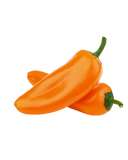
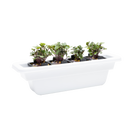
There's a moment in every home cook's journey when fresh herbs stop being a garnish and start being the whole point — and this hydroponic herb compound butter roasted bell peppers recipe is exactly that moment. Compound butter is simply softened butter blended with fresh herbs, aromatics, and seasoning, then used to baste, stuff, or finish dishes with an intense burst of flavor. When those herbs come straight from a hydroponic indoor garden, the result is something noticeably brighter, more fragrant, and more satisfying than anything you can pull from a plastic clamshell at the grocery store. This recipe walks you through growing the herbs, making the butter, and roasting the peppers into a dish worthy of any dinner table.
Why Hydroponic Herbs Make the Best Compound Butter
Compound butter has been a staple of professional kitchens for centuries, but its quality lives or dies by the freshness of its herbs. Hydroponic herbs — plants grown in a nutrient-rich water solution without soil — consistently outperform conventionally grown grocery store herbs in both flavor intensity and nutritional density. A study published by the University of Mississippi found that hydroponically grown basil contained significantly higher concentrations of essential oils compared to field-grown counterparts, which translates directly to more aromatic, more flavorful butter.
When you grow herbs indoors using a system like The Rise Garden 3, you control the environment entirely — light cycles, water pH (ideally between 5.5 and 6.5 for most herbs), and EC (electrical conductivity, a measure of nutrient concentration in the water). That level of control means herbs harvested at peak ripeness, just minutes before you cook with them. The volatile compounds responsible for the flavor in thyme, chives, parsley, and basil begin degrading the moment they're cut, so proximity to your kitchen isn't just convenient — it's a culinary advantage.
For this recipe, the standout herbs are fresh chives, flat-leaf parsley, thyme, and basil, all of which thrive in an indoor hydroponic setup year-round regardless of outdoor season.
What You'll Need: Ingredients and Equipment
This recipe serves 4 and comes together in under an hour once your herbs are harvested. Here's your full ingredient list:
- 4 large bell peppers (red, orange, or yellow for the sweetest flavor)
- 1 stick (½ cup) of high-quality unsalted butter, softened to room temperature
- 2 tablespoons fresh chives, finely minced
- 2 tablespoons fresh flat-leaf parsley, finely chopped
- 1 tablespoon fresh thyme leaves, stripped from stems
- 1 tablespoon fresh basil, chiffonade-cut
- 2 cloves garlic, microplaned or pressed
- ½ teaspoon flaky sea salt
- ¼ teaspoon cracked black pepper
- 1 teaspoon lemon zest
- Optional: ¼ teaspoon red pepper flakes for heat
For equipment, you'll need a mixing bowl, a sheet pan, aluminum foil, a sharp knife, and an oven preheated to 425°F. If you want to make the herb butter stuffed peppers version (more on that below), you'll also want a small spoon for hollowing and a baking dish deep enough to keep the peppers upright.
How Do You Grow Hydroponic Herbs for Cooking Year-Round?
Growing your own herbs indoors is more straightforward than most people expect, and a properly set up hydroponic garden can supply more fresh herbs than a typical household can use. The NASA Veggie project, which has studied plant growth in controlled environments since the 1980s, demonstrated that leafy crops and herbs grown under full-spectrum LED lighting in hydroponic systems can reach harvest-ready maturity up to 50% faster than soil-grown equivalents — a remarkable advantage for any home cook who doesn't want to wait.
Here's a quick-start guide for growing the herbs in this recipe:
- Chives: Sow directly from seed pods and expect first harvest in 3–4 weeks. Snip from the top, leaving at least 2 inches of growth.
- Flat-leaf Parsley: Germinates in 2–3 weeks and grows vigorously under LED light. Harvest outer stems first to encourage bushy regrowth.
- Thyme: A slower starter (3–5 weeks to first harvest) but extremely productive once established. Requires good air circulation.
- Basil: The fastest of the group, often ready in 2–3 weeks. Pinch flower buds immediately to keep plants producing flavorful leaves.
All four herbs perform well in a Personal Garden, which is ideal if you're growing herbs primarily for cooking and want a compact countertop setup. Maintain your nutrient solution EC between 1.6 and 2.2 mS/cm for culinary herbs, and keep water temperature between 65°F and 72°F to prevent root rot and maximize uptake. You'll also want to replenish your nutrients regularly — typically every 7–10 days — to keep plants fed and productive.
Step-by-Step: Making Herb Compound Butter and Roasting the Peppers
Once your herbs are harvested and your butter is softened, this recipe moves quickly. Follow these steps for the best results:
Step 1: Make the Compound Butter
In a medium mixing bowl, combine the softened butter with all of your prepared herbs, garlic, lemon zest, salt, and pepper. Use a fork or spatula to thoroughly work everything together until the herbs are evenly distributed throughout the butter. Taste and adjust seasoning. For a make-ahead option, roll the butter in plastic wrap into a log shape and refrigerate for up to 5 days or freeze for up to 3 months.
Step 2: Prepare the Peppers
Preheat your oven to 425°F. Slice each bell pepper in half lengthwise through the stem, leaving the stem intact for presentation. Remove seeds and white membrane with a spoon or your fingers. Pat dry with a paper towel — moisture on the skin will steam the peppers rather than roast them, and you want caramelization.
Step 3: Load and Roast
Place the pepper halves cut-side up on a foil-lined sheet pan. Drop a generous tablespoon of compound butter into the cavity of each pepper half, pressing it gently against the sides. Roast at 425°F for 22–25 minutes, until the pepper edges are slightly charred and the butter has melted and begun to caramelize against the flesh. For the herb butter stuffed peppers variation, use whole peppers with the tops sliced off, pack each with butter, replace the tops as lids, and roast in a deep baking dish for 30–35 minutes.
Step 4: Finish and Serve
Let the indoor garden roasted peppers rest for 5 minutes after pulling them from the oven. The butter will have pooled and reduced into a glossy, herb-infused pan sauce inside each pepper half. Serve as a side dish, a starter, or over a bowl of creamy polenta or crusty sourdough to catch every drop of that butter.
Can You Use Hydroponic Bell Peppers in This Recipe Too?
Absolutely — and if you have the space, growing your own bell peppers hydroponically takes this recipe to an entirely different level. Bell peppers are among the most rewarding crops for indoor hydroponic gardeners willing to put in the time. According to the USDA, the average American household spends approximately $79 per year on fresh bell peppers, making them one of the more expensive produce items to buy regularly. Growing them at home can meaningfully offset that cost over a single growing season.
Bell peppers are a long-season crop — expect 70–90 days from transplant to first harvest — and they require a larger grow space than herbs. The Rise Loft, a premium indoor garden with furniture-grade design, provides the vertical grow space and light intensity that pepper plants need to flower and fruit successfully indoors. Peppers prefer a pH of 5.8–6.3 and an EC of 2.0–3.5 mS/cm, which is higher than most herbs, so if you're growing them alongside your herb pods, you'll want to monitor your nutrient solution closely. Full-spectrum LED panels that deliver at least 30–40 DLI (daily light integral) will support fruiting — most quality indoor grow systems are engineered to hit this target automatically.
One note on pollination: bell peppers need their flowers agitated to set fruit indoors since there are no insects to do the job. A soft paintbrush run gently across open flowers every other day works perfectly. This small step is the difference between a plant covered in glossy peppers and one that just keeps blooming without producing.
Serving Variations and Flavor Pairings for This Hydroponic Bell Pepper Recipe
This hydroponic bell pepper recipe is built to be versatile. The compound butter base can be customized in dozens of directions based on what's flourishing in your indoor garden at any given moment. Here are four variations worth trying:
- Mediterranean: Swap basil and thyme for fresh oregano and mint. Add ¼ cup crumbled feta into each pepper half before roasting.
- Umami-forward: Add 1 teaspoon of white miso paste to the butter mixture along with fresh chives and parsley. The miso deepens the savoriness without overwhelming the herbs.
- Smoky: Stir ½ teaspoon smoked paprika and fresh rosemary into the butter. Excellent alongside grilled chicken or lamb.
- Bright and acidic: Double the lemon zest, add capers, and use tarragon from your indoor garden in place of thyme. This version pairs beautifully with roasted fish.
For a complete dinner, pair these roasted peppers with a simple green salad, a grain like farro or quinoa, and a chilled glass of Albariño or Grüner Veltliner — both white wines with the acidity to balance the richness of the compound butter.
Research from Cornell University's College of Agriculture and Life Sciences has found that home gardeners who grow their own produce report preparing fresh vegetables at least 3 times more often per week than non-gardeners — a statistic that captures something most indoor gardeners already know intuitively: when high-quality produce is ten feet away, you cook with it.
Frequently Asked Questions
What herbs grow best in a hydroponic garden for cooking?
Basil, chives, parsley, mint, cilantro, and thyme are among the most productive and fastest-maturing herbs in a hydroponic system. Basil and chives are typically ready to harvest in 2–3 weeks under proper LED lighting, making them excellent starting points for anyone new to indoor growing.
How do I store homemade compound butter made with fresh hydroponic herbs?
Roll the finished compound butter tightly in plastic wrap, forming it into a cylinder, and refrigerate for up to 5 days or freeze for up to 3 months. Slice off medallions directly from frozen — it thaws quickly on warm food and can be used straight from the freezer on roasted vegetables or pan sauces.
Do hydroponic bell peppers taste different from store-bought peppers?
Many hydroponic gardeners report that homegrown bell peppers taste noticeably sweeter and more complex than commercially grown varieties, largely because they're harvested at full ripeness rather than picked early for transport. Commercially grown peppers in the U.S. are typically harvested green and ripened in transit or storage, which limits sugar development in the fruit.
What is the best pH for growing herbs and peppers hydroponically?
Most culinary herbs thrive in a pH range of 5.5–6.5, while bell peppers prefer a slightly tighter range of 5.8–6.3. Keeping your hydroponic system's water pH within these ranges ensures that plants can absorb all available nutrients efficiently. pH outside these ranges causes nutrient lockout, where elements are chemically unavailable even if present in the water.