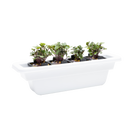
This hydroponic herb compound butter roasted broccoli recipe is the ultimate reward for anyone growing an indoor garden — a dish that transforms simple roasted broccoli into something spectacular by slathering it with a silky, herb-packed compound butter made entirely from herbs you grew yourself. Compound butter is simply softened butter blended with fresh herbs, aromatics, and seasonings, then chilled until firm. When it melts over piping-hot roasted broccoli florets, it creates a glossy, flavor-forward coating that no store-bought sauce can replicate. If you have a hydroponic garden at home, you already have everything you need to make this dish sing.
Why Hydroponic Herbs Make the Best Compound Butter
Not all herbs are created equal, and the difference between supermarket herbs and freshly snipped hydroponic ones is noticeable the moment you taste them. Hydroponics is a method of growing plants in a nutrient-rich water solution rather than soil — and that direct access to nutrients means plants direct more energy into leaf production and essential oil development, which is where flavor lives.
According to a study published by researchers at the University of Florida IFAS Extension, hydroponically grown herbs can contain significantly higher concentrations of volatile aromatic compounds compared to field-grown counterparts under certain conditions. That translates directly to more pungent basil, more citrusy parsley, and more resinous thyme — exactly what you want packed into a compound butter destined for herb compound butter vegetables.
For this recipe, the standout herbs are:
- Chives — mild onion flavor that blooms in butter
- Flat-leaf parsley — bright, grassy, and fresh
- Thyme — earthy and slightly floral
- Basil — sweet and peppery, adds unexpected depth
All four grow beautifully in a hydroponic system. If you are just starting out, the Personal Garden is a compact countertop hydroponic garden that fits on a kitchen counter and keeps a steady supply of fresh herbs within arm's reach of your cutting board.
What You Need for Hydroponic Herb Compound Butter Roasted Broccoli
Before you fire up the oven, gather your ingredients. This recipe serves four as a side dish and takes about 15 minutes of active prep time plus 25 minutes of roasting.
For the Herb Compound Butter
- 8 tablespoons (1 stick) unsalted butter, softened to room temperature
- 2 tablespoons fresh chives, finely minced
- 2 tablespoons fresh flat-leaf parsley, finely chopped
- 1 tablespoon fresh thyme leaves
- 1 tablespoon fresh basil, chiffonade
- 2 cloves garlic, minced or grated on a microplane
- 1 teaspoon lemon zest
- ½ teaspoon flaky sea salt
- ¼ teaspoon freshly cracked black pepper
- Pinch of red pepper flakes (optional)
For the Roasted Broccoli
- 2 large heads of broccoli, cut into florets (about 6 cups)
- 3 tablespoons olive oil
- ½ teaspoon kosher salt
- ¼ teaspoon black pepper
- 2 tablespoons freshly grated Parmesan (optional but highly recommended)
Step-by-Step: How to Make This Indoor Garden Broccoli Recipe
This is a two-part process — make the compound butter first so it has time to firm up, then roast your broccoli while the butter chills.
Step 1: Make the Herb Compound Butter
Add your softened butter to a medium bowl. Using a fork or a silicone spatula, mash in the chives, parsley, thyme, basil, garlic, lemon zest, salt, pepper, and red pepper flakes if using. Work everything together until fully incorporated and the butter turns a pale green with visible flecks of herbs throughout.
Transfer the butter onto a sheet of plastic wrap. Shape it into a rough log about 1.5 inches in diameter, rolling the wrap tightly around it and twisting both ends to seal. Refrigerate for at least 30 minutes. This compound butter can be made up to five days in advance and stored in the refrigerator, or frozen for up to three months.
Step 2: Roast the Broccoli
Preheat your oven to 425°F (220°C). Line a large rimmed baking sheet with parchment paper or leave it bare for maximum browning. Toss broccoli florets with olive oil, salt, and pepper, spreading them in a single layer with as much space between florets as possible. Crowded florets steam instead of roast — you want caramelized edges and deep browning.
Roast for 20-25 minutes, flipping once halfway through, until the edges are crispy and char-kissed and the stems are fork-tender.
Step 3: Finish and Serve
Pull the broccoli from the oven and immediately transfer to a serving platter or large bowl. Slice 2-3 rounds from your chilled herb compound butter log — about ¼ inch thick each — and lay them directly over the hot florets. The residual heat from the broccoli melts the butter within seconds, coating every floret in a glossy, garlicky herb sauce. Sprinkle with Parmesan if using, and serve immediately.
Can You Grow Broccoli in a Hydroponic Indoor Garden?
This is one of the most common questions we hear, and the answer is a confident yes — with some planning. Broccoli (Brassica oleracea) is a cool-season brassica that grows well hydroponically when given the right conditions. According to the USDA Agricultural Research Service, broccoli thrives in nutrient solution pH levels between 6.0 and 7.0, with an electrical conductivity (EC) — a measure of dissolved nutrient concentration in water — between 2.8 and 3.5 mS/cm.
Broccoli needs roughly 14-16 hours of light per day and performs best at temperatures between 60°F and 70°F. It is a larger plant than most herbs, so it needs vertical space and robust root room. The The Rise Garden 3, a full-size indoor hydroponic garden system, is an excellent fit for growing brassicas alongside your herbs, giving you the full range of ingredients for this hydroponic broccoli recipe right from your living space.
For a showstopper setup with furniture-grade design, The Rise Loft is a premium indoor garden built to display beautifully in any room while supporting a full crop of vegetables and herbs year-round.
From seed to harvest, hydroponic broccoli typically takes 60-90 days depending on the variety. Rise Gardens carries seed pods specifically formulated for hydroponic growing, taking the guesswork out of germination and transplanting.
What Are the Nutritional Benefits of Broccoli?
Beyond its flavor, broccoli is genuinely one of the most nutrient-dense vegetables you can put on your plate. According to USDA FoodData Central, one cup of raw broccoli (approximately 91 grams) delivers 135% of the daily recommended intake of Vitamin C, 116% of Vitamin K, and meaningful amounts of folate, potassium, and fiber — all for just 31 calories.
Broccoli also contains sulforaphane, a sulfur-containing compound studied extensively for its antioxidant properties. Research from Johns Hopkins University identified sulforaphane as a key bioactive compound in cruciferous vegetables, with ongoing studies examining its role in cellular health. The key to preserving sulforaphane is not overcooking — which is exactly why this high-heat roasting method, finished off the heat with melted herb butter, is ideal. You get the caramelized flavor of roasting without the prolonged heat exposure that degrades delicate compounds.
Growing broccoli indoors with a hydroponic system and harvesting it at peak maturity means you are capturing maximum nutrient density. NASA's Veggie project, which pioneered plant growth in space, found that fresh food grown closer to the point of consumption retains more nutrients than produce that has traveled long distances through a supply chain — a principle that applies directly to your indoor garden.
Tips for Customizing Your Herb Compound Butter Vegetables
Once you have the base technique down, compound butter becomes an endlessly adaptable tool for herb compound butter vegetables beyond broccoli. Here are a few tested variations that work exceptionally well with hydroponically grown herbs:
- Lemon-Dill Butter: Swap thyme and basil for 2 tablespoons of fresh dill and increase the lemon zest to 2 teaspoons. Exceptional over roasted asparagus or green beans.
- Miso-Herb Butter: Blend in 1 tablespoon of white miso paste for umami depth. The saltiness of miso means you can reduce added salt significantly. Works beautifully over roasted cauliflower or Brussels sprouts.
- Tarragon-Shallot Butter: Use 2 tablespoons of fresh tarragon and 1 minced shallot for a classic French-inspired profile. Pair with roasted carrots or leeks.
- Cilantro-Lime Butter: Replace all herbs with fresh cilantro and substitute lime zest for lemon. Add a pinch of cumin for a Southwestern edge. Brilliant over roasted corn or sweet potatoes.
The beauty of growing your own hydroponic herbs is having all of these options at harvest-ready freshness simultaneously — no wilting bundles, no half-used herb waste, no last-minute store run.
Frequently Asked Questions
Can I use dried herbs instead of fresh for compound butter?
You can use dried herbs in a pinch, but the result will be noticeably different. Dried herbs have a more concentrated, earthier flavor and lack the bright aromatic qualities that make fresh herb compound butter vegetables so vibrant. If substituting, use one-third the amount of dried herbs compared to fresh — so 1 teaspoon dried thyme in place of 1 tablespoon fresh — and let the butter rest for at least two hours so the dried herbs have time to rehydrate and mellow in the fat.
How long can I store herb compound butter?
Herb compound butter keeps in the refrigerator for up to five days when wrapped tightly in plastic wrap or stored in an airtight container. For longer storage, freeze it for up to three months. Slice the log into individual rounds before freezing so you can pull out exactly what you need without thawing the whole batch. Frozen compound butter goes directly from freezer to hot food without needing to thaw first.
What is the best broccoli variety for hydroponic growing?
Compact and fast-maturing varieties perform best in indoor hydroponic systems. 'Di Cicco' is a classic open-pollinated variety that produces smaller heads and continuous side shoots, making it well-suited for ongoing indoor harvests. 'Calabrese' is another reliable choice with a traditional large central head. Avoid very large, late-season varieties designed for outdoor growing, as they may outgrow the footprint of most indoor systems.
Does roasting broccoli reduce its nutritional value?
High-heat roasting does cause some nutrient loss, particularly of heat-sensitive Vitamin C. However, roasting for a shorter time at high heat — such as 425°F for 20-25 minutes — causes less degradation than boiling or steaming for extended periods, which leaches water-soluble vitamins into the cooking liquid. The USDA notes that broccoli retains the majority of its key nutrients when cooked quickly with dry heat. Finishing with compound butter off the heat (rather than returning it to the oven) helps preserve both the herbs' volatile compounds and the broccoli's remaining nutrients.