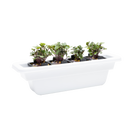
There's something genuinely satisfying about pulling herbs straight from your indoor garden, blending them into a rich, aromatic compound butter, and watching that butter melt into deeply caramelized, roasted onions fresh from the oven. This recipe for hydroponic herb compound butter roasted onions does exactly that — it takes the bold, concentrated flavor of slow-roasted onions and elevates them with a homemade herb butter built from basil, thyme, chives, and rosemary grown in your own hydroponic system. Hydroponic gardening is a soil-free growing method that uses nutrient-rich water to feed plants directly at the root zone, typically yielding herbs that are more flavorful and aromatic than their store-bought counterparts. The result on your dinner table? A side dish that's simple in technique but genuinely complex in flavor.
Why Hydroponic Herbs Make a Difference in This Recipe
When you grow herbs hydroponically indoors, you're working with plants that haven't been sitting in a shipping truck for three days or wilting under fluorescent grocery store lighting. Research from Cornell University's Controlled Environment Agriculture program has shown that hydroponically grown herbs can contain significantly higher essential oil concentrations than conventionally grown alternatives — and those essential oils are exactly what give basil its peppery punch, rosemary its piney warmth, and thyme its earthy depth.
That difference is immediately noticeable in a compound butter. When you work fresh rosemary into softened butter, the fat captures the volatile aromatic compounds in a way that dried herbs simply cannot replicate. For this roasted onions with herb butter recipe, the quality of your herbs is the single biggest variable — and growing your own puts that variable firmly in your control.
With a countertop system like the Personal Garden, you can keep a constant rotation of culinary herbs within arm's reach of your kitchen. Compact and designed for countertop use, it holds multiple herb varieties simultaneously so you're never waiting for one plant to recover before you harvest the next.
What Herbs Work Best for a Hydroponic Herb Compound Butter?
Compound butter — also called beurre composé in French cuisine — is simply softened butter blended with flavorings, then rolled and chilled until firm. For this indoor garden onion recipe, you want a blend that complements the natural sweetness of roasted onions without overpowering them. Here's what to grow and how much to use:
- Fresh thyme (1 tablespoon, leaves stripped): earthy, slightly floral, pairs beautifully with caramelized alliums
- Fresh rosemary (1 teaspoon, finely minced): bold and resinous — use sparingly so it doesn't dominate
- Fresh chives (2 tablespoons, thinly sliced): mild onion flavor that bridges the herb butter to the roasted onions themselves
- Fresh flat-leaf parsley (1 tablespoon, finely chopped): brightens the butter and adds fresh green color
- Optional: fresh basil (1 tablespoon, chiffonade): adds a sweet, slightly anise-like note that works especially well in summer preparations
All of these herbs thrive in a hydroponic environment. Thyme and rosemary prefer slightly lower nutrient concentrations (EC of around 1.0–1.6 mS/cm), while chives and parsley grow vigorously at higher EC levels near 1.8–2.2 mS/cm. Rise Gardens nutrients are pre-formulated to support a wide range of culinary herbs at the right concentration levels, which takes the guesswork out of feeding your plants.
A quick note on pH: hydroponic systems perform best when the water's pH stays between 5.5 and 6.5. At that range, plants can absorb nutrients efficiently. Outside that window, even a well-fed plant can show deficiencies. Rise Gardens systems are designed with this in mind, making it easy to maintain optimal growing conditions without a chemistry degree.
Homegrown Herb Roasted Onions: The Full Recipe
This recipe serves 4 as a side dish and takes about 15 minutes of active prep time with 45–55 minutes in the oven.
Ingredients
- 4 medium yellow onions, halved through the root end (roots trimmed but kept intact to hold layers together)
- 4 tablespoons unsalted butter, softened to room temperature
- 1 tablespoon fresh thyme leaves
- 1 teaspoon fresh rosemary, finely minced
- 2 tablespoons fresh chives, thinly sliced
- 1 tablespoon fresh flat-leaf parsley, finely chopped
- 2 cloves garlic, minced
- ½ teaspoon flaky sea salt
- ¼ teaspoon freshly cracked black pepper
- 1 tablespoon olive oil
- Optional: 1 tablespoon balsamic glaze for finishing
Instructions
- Make the compound butter. In a small bowl, combine softened butter with thyme, rosemary, chives, parsley, garlic, salt, and pepper. Mix thoroughly with a fork until the herbs are evenly distributed. Transfer to a piece of plastic wrap, roll into a log shape, and refrigerate for at least 30 minutes. (You can make this up to 3 days ahead.)
- Preheat and prep. Preheat your oven to 400°F (205°C). Line a baking sheet with parchment paper or use a cast iron skillet for better heat retention and caramelization.
- Prep the onions. Halve the onions through the root end. Leave the root intact — it holds the onion layers together during roasting. Brush the cut faces with olive oil and place cut-side down on the prepared baking sheet.
- First roast. Roast cut-side down for 25 minutes, until the flat face is deeply golden and beginning to char at the edges.
- Flip and butter. Remove from the oven, flip the onion halves cut-side up, and slice two to three pats of the herb compound butter onto each onion half. The butter will begin melting immediately into the layers.
- Second roast. Return to the oven for another 20–25 minutes, until the onions are completely tender, the butter is absorbed and golden, and the edges are caramelized.
- Finish and serve. Let rest for 5 minutes. Drizzle with balsamic glaze if using, garnish with a few fresh chive slices, and serve warm.
How Do You Store and Use Leftover Herb Compound Butter?
One of the best things about making compound butter is that the recipe scales easily and the leftovers are even more useful than the original application. A single batch of this herb butter yields roughly 6–8 tablespoons — more than enough for the roasted onions with herb butter recipe above, with butter to spare.
Store leftover compound butter wrapped tightly in plastic wrap in the refrigerator for up to one week, or freeze it for up to three months. Slice off rounds as needed and use them on:
- Grilled chicken or fish (place a pat on top right as it comes off the heat)
- Roasted potatoes or root vegetables
- Tossed into hot pasta with a splash of pasta water
- Spread on crusty bread as a starter
- Melted over steamed vegetables
According to the USDA FoodData Central database, fresh herbs used in compound butter contribute meaningful amounts of Vitamin K, Vitamin C, and various antioxidant compounds — not just flavor. A tablespoon of fresh thyme alone provides approximately 1.7 micrograms of Vitamin K and small but measurable levels of iron and manganese.
Is Growing Herbs Hydroponically Really Worth It for Home Cooks?
The math makes a compelling case. A single bunch of fresh herbs at a grocery store typically costs between $2.50 and $4.00 — and you often use only a fraction before the rest wilts in the refrigerator. The USDA Economic Research Service estimates that American households throw away approximately 30–40% of the food they purchase, and fresh herbs are among the most frequently discarded items due to short shelf life.
By contrast, hydroponic herbs grown at home are harvested on demand. You clip exactly what you need, and the plant continues growing. NASA's Veggie project — which has studied plant growth aboard the International Space Station — found that controlled-environment hydroponic systems can produce fresh food with 90% less water than traditional soil-based agriculture, making home growing both economical and resource-efficient.
For home cooks who use fresh herbs regularly, a dedicated indoor garden pays for itself quickly. A full-size system like The Rise Garden 3 supports multiple growing rows simultaneously, making it possible to maintain steady harvests of four to six herb varieties at once — the exact variety you need for a versatile compound butter rotation throughout the year.
If aesthetics matter as much as function in your home, The Rise Loft offers furniture-grade design with the same hydroponic growing capability — it functions as a piece of living furniture while producing fresh herbs your kitchen can actually use.
Rise Gardens seed pods are pre-seeded and ready to place directly into your system, with germination rates above 95% — meaning you're not gambling on seeds sprouting. From pod to harvest, most herbs are ready in 3–5 weeks depending on variety and growing conditions.
Tips for Getting the Most Flavor from Your Hydroponic Herbs Before Cooking
Timing your harvest makes a measurable difference in flavor intensity. For most culinary herbs, the highest concentration of essential oils occurs just before the plant begins to flower — a stage called the pre-bolt phase. At this point, the plant has invested maximum energy into leaf development and aromatic compound production. Once bolting begins, many herbs (especially basil) shift energy toward seed production and the leaves lose some of their characteristic bite.
Practical harvest tips for this homegrown herb roasted onions recipe:
- Harvest in the morning after your grow lights have been on for 2–3 hours. Photosynthesis has activated, but the plant hasn't used those compounds in metabolic processes yet.
- Use scissors, not fingers. Tearing herb stems can bruise tissue and accelerate oxidation. Clean snips produce cleaner flavor.
- Don't wash until ready to use. Moisture accelerates wilting and can dilute surface oils. Rinse herbs right before chopping for the compound butter.
- Chop just before mixing. Once you cut herbs, volatile compounds begin escaping. Prepare your butter within 10–15 minutes of chopping for maximum aroma.
These small habits compound (pun intended) into noticeably better results — especially in a preparation like compound butter where the herbs are the feature, not the supporting cast.
Frequently Asked Questions
Can I use hydroponic green onions instead of yellow onions in this recipe?
Green onions (scallions) grown hydroponically work beautifully as a garnish and can replace chives in the compound butter, but they don't substitute well as the main roasted vegetable — they lack the dense layers and natural sugars that make yellow or sweet onions ideal for roasting. For the roasted base, stick with yellow, white, or sweet Vidalia onions; use your hydroponic green onions as a fresh finishing garnish instead.
How long does it take to grow enough herbs hydroponically for this recipe?
Most culinary herbs reach a harvestable size in 3–5 weeks from a seeded pod in a Rise Gardens system. Chives and parsley tend to be ready on the faster end (3–4 weeks), while rosemary grows more slowly and may take 5–7 weeks to produce enough for regular harvests. Planting staggered batches of the same herb ensures you always have mature growth ready when a recipe calls for it.
What is compound butter, and how is it different from herb-infused butter?
Compound butter is softened butter mixed with solid ingredients — herbs, garlic, citrus zest, spices — and then re-chilled into a firm, sliceable log. Herb-infused butter, by contrast, typically involves gently heating butter with herbs to extract flavor, then straining the solids out. Compound butter retains the actual herb material, giving it a more textured, visually vibrant appearance and a bolder, fresher flavor profile — which is exactly what you want in this roasted onion recipe.
Can I make this recipe without an indoor garden using store-bought herbs?
Yes, store-bought fresh herbs will work, though the flavor intensity may be lower due to time spent in transit and refrigerated storage. If using grocery store herbs, increase quantities by about 25% to compensate for reduced essential oil concentration. For a dish where fresh herb flavor is the centerpiece — as it is in this compound butter — growing your own hydroponically produces a noticeably better result with the same effort.