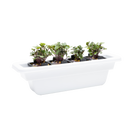
There are few things more satisfying than pulling fresh herbs from your own indoor hydroponic garden and using them to elevate a humble vegetable into something truly memorable. This hydroponic herb compound butter roasted parsnips recipe does exactly that — it pairs caramelized, oven-roasted parsnips with a silky compound butter packed with homegrown herbs like thyme, rosemary, chives, and parsley. Compound butter is simply softened butter blended with aromatics, herbs, or spices, then chilled into a log and sliced as needed. When melted over hot roasted parsnips, it transforms the entire dish. Whether you're harvesting from a countertop unit or a full-size system, this is the kind of garden-to-table cooking that makes growing your own herbs completely worth it.
Why Parsnips Deserve a Spot in Your Herb Butter Parsnip Recipe Rotation
Parsnips are one of the most underappreciated root vegetables in the produce aisle. Closely related to carrots, they carry a naturally sweet, earthy, and slightly nutty flavor that intensifies beautifully when roasted at high heat. The Maillard reaction — the browning of natural sugars on the surface — creates a caramelized crust that's nothing short of extraordinary when matched with herbed butter.
From a nutritional standpoint, parsnips pack a real punch. According to the USDA FoodData Central database, one cup of raw parsnips (133 grams) provides approximately 7 grams of dietary fiber, which represents about 25% of the recommended daily intake for adults. They're also a solid source of vitamin C, folate, and potassium — making them a genuinely nutritious base for this herb butter parsnip recipe.
Roasting parsnips rather than boiling them keeps their natural sugars concentrated and prevents waterlogging. A hot oven — ideally between 400°F and 425°F — and a good fat for conducting heat are the two non-negotiables. That's where your hydroponic herb compound butter steps in as the star of the show.
What Makes Hydroponic Herbs Better for Cooking?
Herbs grown in a hydroponic system — meaning they're cultivated in a nutrient-rich water solution rather than soil — are consistently shown to produce clean, vibrant, intensely flavored leaves. NASA's Veggie project, which has studied plant growth in controlled, soil-free environments since the early 2000s, demonstrated that plants grown hydroponically in optimized conditions can achieve comparable or superior growth rates to soil-grown counterparts, with the added benefit of controlled, predictable harvests.
For home cooks, this translates directly into better-tasting food. Hydroponic herbs grown indoors under full-spectrum LED lighting experience minimal stress from pests, weather fluctuations, or soil inconsistencies. The result is leaf tissue with higher essential oil content — and essential oils are exactly what give thyme its piney punch, rosemary its resinous depth, and chives their sharp allium bite.
Growing herbs in a Personal Garden on your kitchen counter means you can snip exactly what you need, minutes before cooking. There's no week-old grocery store bunch slowly wilting in a glass of water. The difference in aroma alone is immediately noticeable when you're making something like a compound butter, where fresh herb flavor is the entire point.
Hydroponic systems use approximately 90% less water than traditional soil gardening, according to research published by the University of Arizona's Controlled Environment Agriculture Center — a compelling reason to grow your own year-round, regardless of climate or season.
How to Grow the Right Herbs for This Recipe Indoors
The herb lineup for this compound butter — thyme, rosemary, flat-leaf parsley, and chives — are all excellent performers in an indoor hydroponic setup. Here's what you need to know to grow each one successfully.
Thyme is a slow but steady grower that prefers slightly drier conditions. In a hydroponic system, it thrives with good air circulation and a slightly lower nutrient concentration (EC of around 1.0–1.6 mS/cm). EC, or electrical conductivity, is the measurement of how mineral-rich your nutrient solution is — higher EC means more nutrients dissolved in the water.
Rosemary is another Mediterranean herb that appreciates bright light and moderate nutrients. It grows more slowly than basil or chives, so plan to start it a few weeks ahead if you want a full harvest ready for this recipe.
Flat-leaf parsley germinates slowly (10–14 days is normal) but once established, it's a reliable producer. Keep pH — the measure of acidity or alkalinity in your water solution — between 5.5 and 6.5 for optimal nutrient uptake.
Chives are among the fastest and easiest herbs to grow hydroponically. They germinate in under a week and can be snipped continuously from the same pod for months.
If you're setting up a larger herb garden to keep your kitchen stocked year-round, the The Rise Garden 3 gives you the capacity to run all four of these herbs simultaneously alongside lettuces, microgreens, and more. For those who want a sleek, furniture-grade design that fits into a modern living space, The Rise Loft offers premium construction with serious growing capacity. Rise Gardens offers pre-seeded seed pods for thyme, rosemary, parsley, chives, and dozens of other culinary herbs — ready to drop directly into your garden.
Hydroponic Herb Compound Butter Roasted Parsnips: The Full Recipe
This indoor garden roasted parsnips recipe serves 4 as a side dish. Total active time is about 20 minutes, with 35–40 minutes of roasting.
For the Herb Compound Butter
- 8 tablespoons (1 stick) unsalted butter, softened to room temperature
- 1 tablespoon fresh thyme leaves (stripped from stems)
- 1 tablespoon fresh rosemary, finely minced
- 2 tablespoons fresh flat-leaf parsley, finely chopped
- 2 tablespoons fresh chives, thinly sliced
- 1 small garlic clove, grated or minced
- 1 teaspoon lemon zest
- ½ teaspoon flaky sea salt
- ¼ teaspoon freshly cracked black pepper
For the Roasted Parsnips
- 2 pounds parsnips, peeled and cut into uniform batons or wedges
- 2 tablespoons olive oil or neutral oil
- ½ teaspoon kosher salt
- ¼ teaspoon black pepper
Instructions
Step 1 — Make the compound butter: Combine the softened butter with all herbs, garlic, lemon zest, salt, and pepper in a bowl. Mix thoroughly with a fork or spatula until evenly distributed. Spoon the butter onto a sheet of plastic wrap or parchment paper and roll into a log shape. Twist the ends to seal and refrigerate for at least 30 minutes. The butter can be made up to 5 days ahead and stored refrigerated, or frozen for up to 3 months.
Step 2 — Prep the parsnips: Preheat your oven to 425°F. Peel the parsnips and cut them into similar-sized pieces — roughly 3-inch batons work well for even cooking. Pat them dry with a paper towel. Moisture is the enemy of caramelization, so this step matters.
Step 3 — Roast: Toss the parsnips with olive oil, salt, and pepper. Spread them in a single layer on a rimmed baking sheet, making sure they aren't crowded. Overcrowding causes steaming rather than roasting. Roast at 425°F for 35–40 minutes, flipping once halfway through, until deeply golden and tender when pierced with a fork.
Step 4 — Finish with compound butter: Transfer the hot parsnips immediately to a serving platter. Slice 2–3 rounds of the herb compound butter and lay them directly on top of the hot vegetables. Let the butter melt for 60 seconds, then toss gently to coat every piece. Taste, adjust salt if needed, and serve immediately.
Optional garnishes: Extra fresh chives, a squeeze of lemon juice, or a pinch of crushed red pepper flakes all work beautifully here.
How to Customize This Hydroponic Garden to Table Recipe for Any Season
One of the best aspects of growing herbs indoors hydroponically is that your harvest calendar is entirely disconnected from the outdoor seasons. You're not waiting for the last frost date or rationing your herb garden through November. This means your hydroponic garden to table recipe repertoire can stay active and varied all year long.
In late fall and winter, swap the parsley for fresh sage — another excellent hydroponic grower — and add a pinch of nutmeg to the compound butter for a warmer, more autumnal profile. In spring, try substituting tarragon or lemon verbena for a brighter, more floral note. During summer months, basil compound butter over roasted parsnips is a surprisingly compelling combination that leans into the sweetness of the vegetable.
The compound butter formula itself is endlessly adaptable. Sun-dried tomato and basil, miso and chive, or blue cheese and thyme are all variations worth exploring once you have a steady indoor herb supply. Keep a few logs in your freezer and you'll always have a finishing element that makes roasted vegetables feel like a restaurant dish.
Proper nutrition is what powers that steady herb supply. Rise Gardens' nutrients are formulated specifically for hydroponic systems and calibrated to support leafy herbs through their full growth cycle — so your plants stay productive rather than peaking and stalling.
Storing, Serving, and Pairing Your Indoor Garden Roasted Parsnips
Roasted parsnips are best eaten immediately after finishing with the compound butter, while the exterior is still crisp and the butter is freshly melted. That said, leftovers reheat well — spread them on a baking sheet and run them under a broiler for 3–4 minutes to revive the caramelized edges.
For serving, these indoor garden roasted parsnips work beautifully alongside roast chicken, braised lamb, or a grain-based main like farro risotto. They're hearty enough to anchor a vegetarian plate alongside roasted beets and a green salad.
Store any unused compound butter tightly wrapped in the refrigerator for up to 5 days. Because compound butter freezes exceptionally well, it's worth making a double batch whenever your herb garden is producing generously. A 100-gram serving of compound butter made with fresh thyme and rosemary contains measurable quantities of rosmarinic acid and thymol — bioactive compounds associated with antioxidant properties, according to research supported by the USDA Agricultural Research Service.
The parsnips themselves, once roasted, keep well in an airtight container in the refrigerator for up to 3 days. Reheat as described above or chop them and fold into a frittata, soup, or grain bowl for a quick weekday lunch that still carries the flavors of your hydroponic herb garden.
Frequently Asked Questions
Can I grow rosemary and thyme in the same hydroponic system as faster-growing herbs like chives?
Yes, but plan for the timing difference. Chives and parsley grow significantly faster than rosemary and thyme, so starting the slower herbs 2–3 weeks earlier helps ensure you have everything ready to harvest at the same time. Rise Gardens seed pods are designed to work together in the same system, and you can stagger your planting schedule to align your harvests with specific recipes.
What is compound butter and how long does it last?
Compound butter is unsalted or salted butter that has been blended with flavorings — herbs, spices, citrus zest, garlic — then re-formed and chilled. Refrigerated in plastic wrap or an airtight container, herb compound butter stays fresh for up to 5 days. Frozen, it keeps for up to 3 months without significant loss of flavor, making it an excellent way to preserve a large hydroponic herb harvest.
Why are my hydroponic herbs less flavorful than expected?
Flavor intensity in hydroponic herbs is closely tied to light levels and nutrient balance. Herbs that don't receive enough light tend to produce diluted essential oils, which means less aroma and taste. Ensure your LED grow light is running for the full recommended photoperiod (typically 16 hours on, 8 hours off for most culinary herbs) and that your nutrient solution is within the correct EC range for each variety. Slightly stressing herbs by slightly reducing water just before harvest can also concentrate flavors.
Can I use frozen herbs from my hydroponic garden to make compound butter?
Absolutely. Freezing fresh hydroponic herbs before blending them into butter is actually an efficient way to batch-process a large harvest. Chop the herbs finely, spread them on a parchment-lined tray to freeze individually, then transfer to a bag. When making compound butter, add them directly to the softened butter from frozen — they'll thaw and incorporate within seconds of mixing. The texture changes slightly but the flavor remains strong, especially for robust herbs like thyme, rosemary, and chives.