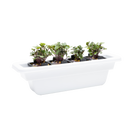
Hydroponic herb compound butter roasted eggplant is exactly what it sounds like — a rich, deeply savory roasted eggplant dish elevated by a homemade compound butter packed with fresh herbs you grew yourself, indoors, year-round. Compound butter is simply softened butter blended with aromatics like garlic, herbs, and citrus zest, then chilled and sliced to melt over hot food. When you pair it with herb roasted eggplant pulled straight from your indoor hydroponic garden, the result is something that tastes like it came from a high-end kitchen — because it did. Yours.
Growing your own eggplant and herbs hydroponically means you control the flavor, the harvest timing, and the quality. This guide walks you through exactly how to do that and gives you a complete recipe to put it all to use.
Why Grow Eggplant and Herbs in a Hydroponic Garden?
Hydroponic gardening is a soil-free growing method where plants receive water, oxygen, and nutrients directly through their root systems using a nutrient-rich water solution. Because roots don't have to search through soil for nutrition, hydroponic plants can grow up to 50% faster than their soil-grown counterparts under the right conditions, according to research supported by NASA's Veggie project, which has studied hydroponic plant growth in controlled environments since the early 2000s.
For eggplant specifically, the benefits are tangible. Eggplant loves warmth, consistent moisture, and nutrient-dense growing conditions — all of which a well-maintained hydroponic system delivers reliably. Outdoor eggplant is notoriously finicky, struggling in inconsistent temperatures and susceptible to pests like flea beetles and spider mites. An indoor hydroponic setup eliminates most of those variables.
Herbs like basil, thyme, rosemary, parsley, and chives thrive in hydroponic conditions and grow vigorously under full-spectrum LED lighting. These are precisely the herbs you'll want on hand for this compound butter recipe. Growing them at home means harvesting at peak flavor — right before the essential oils in the leaves begin to dissipate after cutting.
According to the USDA Economic Research Service, the average American household spends roughly $4 to $6 per bunch of fresh herbs at the grocery store, and a significant portion goes to waste. Growing your own eliminates that cost and waste cycle entirely.
A full-size system like The Rise Garden 3 gives you enough growing capacity to keep eggplant, basil, thyme, parsley, and chives all growing simultaneously, so you always have fresh ingredients ready when inspiration hits.
What Herbs Work Best in a Compound Butter for Roasted Eggplant?
Compound butter is one of the most versatile finishing techniques in cooking, and it's the secret weapon in this hydroponic eggplant recipe. The herbs you choose should complement eggplant's naturally earthy, slightly bitter flavor profile and stand up to the heat of the oven.
Here are the top herbs to grow and use:
- Basil: Sweet, slightly peppery, and classically Mediterranean. Basil's volatile aromatics bloom beautifully when they hit warm roasted eggplant.
- Flat-leaf parsley: Bright and grassy, it balances richer flavors and adds visual appeal to the finished butter.
- Thyme: Earthy and slightly floral, thyme is a natural partner for roasted vegetables and holds up well in the oven.
- Rosemary: Use sparingly — its piney intensity can dominate. A small amount adds real depth to the compound butter.
- Chives: Mild onion flavor with a clean, fresh finish. Great stirred in at the end for brightness.
All five of these herbs grow extremely well in hydroponic conditions and can be started easily from seed pods designed specifically for indoor hydroponic systems. Germination typically takes 5 to 10 days, and most herbs are ready for their first harvest within 3 to 4 weeks of planting.
For the compound butter, you want a roughly 2:1 ratio of butter to fresh herbs by volume. This keeps the butter rich and spreadable without turning into an herbal paste. A touch of lemon zest, one small garlic clove, and a pinch of flaky salt round the recipe out perfectly.
How to Grow Eggplant Indoors with a Hydroponic System
Growing eggplant indoors is absolutely achievable with the right setup. Eggplant (Solanum melongena) is a warm-season fruiting crop that requires more space and light than leafy greens, but it rewards the effort with generous harvests of tender, creamy-fleshed fruit.
Light: Eggplant needs 14 to 16 hours of full-spectrum light per day to fruit reliably indoors. Most quality indoor garden systems deliver this automatically with programmable LED timers.
Nutrient solution: Eggplant is a heavy feeder. It performs best with an electrical conductivity (EC) level between 2.5 and 3.5 mS/cm — higher than what leafy greens require. EC measures the concentration of dissolved nutrients in your water. Using a complete nutrient formula calibrated for fruiting crops ensures your eggplant gets the nitrogen, phosphorus, potassium, and micronutrients it needs through each growth stage.
pH: Maintain your water pH between 5.5 and 6.5. pH (potential hydrogen) measures how acidic or alkaline your nutrient solution is. Outside this range, eggplant roots struggle to absorb key nutrients even if those nutrients are present in the water — a problem called nutrient lockout.
Temperature: Eggplant prefers air temperatures between 70°F and 85°F. Most indoor environments fall naturally in this range, which is one reason indoor hydroponic growing is so well-suited to this crop.
Variety selection: Compact varieties like Hansel, Patio Baby, or Fairy Tale eggplant are better suited to indoor growing than large Italian globe varieties. They produce smaller fruit on more manageable plants and mature faster.
Pollination: Eggplant flowers indoors won't receive visits from bees. You'll need to hand-pollinate by gently shaking the flowering stem or using a small electric toothbrush pressed briefly against the base of each open flower. Do this daily when flowers are open and you'll get consistent fruit set.
A system with adequate vertical space like The Rise Loft — Rise Gardens' premium, furniture-grade indoor garden — handles fruiting crops especially well, giving your eggplant plants the room they need to grow upward and outward.
Hydroponic Herb Compound Butter Roasted Eggplant Recipe
This indoor garden eggplant recipe is built around simplicity and bold flavor. The compound butter can be made up to a week ahead and stored in the refrigerator, making weeknight dinners effortless once you have it on hand.
Serves: 4 as a side dish
Total time: 45 minutes (plus 30 minutes chilling for butter)
For the Herb Compound Butter:
- 8 tablespoons (1 stick) unsalted butter, softened to room temperature
- 2 tablespoons fresh basil, finely chopped
- 1 tablespoon fresh flat-leaf parsley, finely chopped
- 1 teaspoon fresh thyme leaves
- ½ teaspoon fresh rosemary, finely minced
- 1 tablespoon fresh chives, thinly sliced
- 1 small garlic clove, microplaned or very finely minced
- ½ teaspoon lemon zest
- ¼ teaspoon flaky sea salt
- Pinch of black pepper
For the Roasted Eggplant:
- 2 medium eggplants (about 1 lb each), cut into ¾-inch rounds or halved lengthwise
- 3 tablespoons olive oil
- 1 teaspoon kosher salt
- ½ teaspoon black pepper
- ½ teaspoon smoked paprika
Instructions:
Step 1 — Make the compound butter: In a medium bowl, combine softened butter with all herbs, garlic, lemon zest, salt, and pepper. Mix thoroughly with a fork until evenly combined. Turn the mixture onto a sheet of plastic wrap, shape into a log about 1.5 inches in diameter, and roll tightly. Refrigerate for at least 30 minutes, or freeze for up to 3 months.
Step 2 — Prep the eggplant: Arrange eggplant pieces on a wire rack set over a sheet pan. Sprinkle both sides lightly with kosher salt and let sit for 20 minutes. This draws out excess moisture and reduces any bitterness. Pat dry thoroughly with paper towels.
Step 3 — Roast: Preheat your oven to 425°F. Toss the dried eggplant with olive oil, black pepper, and smoked paprika. Spread in a single layer on a parchment-lined sheet pan — do not crowd the pieces. Roast for 20 to 25 minutes, flipping once at the halfway point, until deeply golden and caramelized at the edges.
Step 4 — Finish with butter: Remove eggplant from the oven and immediately place 1 to 2 thick slices of compound butter on top of each piece. The residual heat will melt the butter slowly, allowing it to pool into all the tender interior flesh. Serve immediately.
Serving suggestions: This herb roasted eggplant works beautifully alongside grilled lamb chops, tucked into warm flatbread with yogurt sauce, or served over a bed of farro or freekeh. A squeeze of fresh lemon right before serving brightens everything.
Can You Grow Enough Herbs Hydroponically to Cook With Regularly?
This is one of the most common questions new indoor gardeners ask, and the answer is a clear yes — with a small amount of planning. The key is understanding harvest frequency and growth rates for each herb.
Basil, for example, can be harvested every 7 to 10 days once established in a hydroponic system. Each harvest, you pinch stems just above a leaf node, which encourages the plant to bush out and produce even more growth. A single healthy hydroponic basil plant can yield 2 to 4 tablespoons of packed fresh leaves per week under optimal light and nutrient conditions.
Parsley and chives grow more slowly but consistently. Thyme and rosemary are prolific producers once established and rarely need replacing. A compact setup like the Personal Garden — Rise Gardens' countertop hydroponic system — holds enough pods to grow 3 to 4 herb varieties simultaneously, giving you a continuous supply without overwhelming your counter space.
Studies from Cornell University's Controlled Environment Agriculture program have shown that hydroponic herb yields can exceed soil-grown equivalents by 20 to 25% in comparable growing periods, largely due to consistent nutrient delivery and optimized light exposure. That kind of productivity translates directly into more cooking, more flavor, and more value from your garden investment.
Tips for Getting the Most Flavor From Your Hydroponic Herbs
Growing herbs hydroponically gives you a head start on flavor, but a few practices will push quality even higher.
Harvest in the morning: Herb essential oil concentration is highest in the morning before the heat of the day causes volatilization. Even indoors, this timing habit pays off in more aromatic leaves.
Don't over-fertilize: Higher nitrogen levels accelerate leafy growth but can dilute flavor. Keep EC levels in the moderate range for herbs — typically 1.6 to 2.2 mS/cm — rather than pushing nutrients aggressively.
Harvest before flowering: Once basil and other herbs begin to flower (bolt), the plant redirects energy away from leaf production. Pinch flower buds as soon as they appear to extend the productive life of your plants.
Use immediately after harvest: Hydroponic herbs lack the protective waxy coating that field-grown herbs develop, which means they wilt faster after cutting. For compound butter, chop and incorporate herbs within 30 minutes of harvesting for maximum flavor impact.
Store properly: If you're not using herbs immediately, wrap them loosely in a slightly damp paper towel and refrigerate. Most hydroponic herbs will hold well for 3 to 5 days stored this way.
Frequently Asked Questions
Can eggplant actually grow indoors in a hydroponic system?
Yes, eggplant grows well indoors hydroponically when given adequate light (14 to 16 hours daily), proper nutrient EC levels (2.5 to 3.5 mS/cm), and hand-pollination when flowering. Compact varieties like Fairy Tale or Hansel are the best choices for indoor growing due to their manageable plant size and fast maturity.
What does compound butter mean, and can I make it ahead of time?
Compound butter is softened butter mixed with flavorings — herbs, garlic, citrus zest, spices — then chilled back into a solid, sliceable log. You can absolutely make it ahead; it keeps in the refrigerator for up to one week tightly wrapped, or in the freezer for up to three months. Slice off rounds as needed directly from frozen.
How long does it take to grow herbs hydroponically from seed pod to first harvest?
Most culinary herbs germinate within 5 to 10 days in a hydroponic system and are ready for a light first harvest in 3 to 4 weeks. Basil and chives tend to be fastest; rosemary and thyme take slightly longer to establish. After the first harvest, most herbs grow back quickly and can be harvested on a rolling 7 to 14 day cycle.
Is this hydroponic eggplant recipe suitable for vegan or dairy-free diets?
The roasted eggplant itself is naturally vegan. The compound butter, as written, is dairy-based. You can substitute a high-quality vegan butter — choose one that is firm enough to form a log when chilled — and the herb mixture works identically. The flavor profile holds up well with a good plant-based butter alternative.