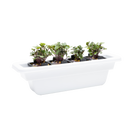
There's something quietly satisfying about pulling a crisp, golden flatbread from the oven and topping it with herbs you grew yourself — and this hydroponic herb flatbread pizza recipe makes that moment completely achievable, even if you live in an apartment with no outdoor space. Hydroponic herb flatbread pizza is exactly what it sounds like: a simple, homemade flatbread topped with ultra-fresh herbs harvested directly from an indoor hydroponic garden. Instead of reaching for a plastic clamshell of wilted basil from the grocery store, you snip what you need, right when you need it. The result is a pizza with noticeably brighter flavor, more vibrant color, and a farm-to-table feel that costs a fraction of what you'd pay at a specialty restaurant.
Why Hydroponic Herbs Make the Best Pizza Toppings
Flavor starts at the root — literally. Herbs grown hydroponically in a controlled indoor environment consistently produce higher concentrations of essential oils, which are responsible for the aromatic punch you want in a topping like basil or oregano. A study from the University of Mississippi found that hydroponically grown basil contained measurably higher levels of linalool and eugenol — two of the primary aromatic compounds — compared to field-grown counterparts grown in standard soil conditions.
Beyond flavor, there's a practical freshness advantage. When you grow indoors with a system like The Rise Garden 3, your herbs are harvested at peak ripeness and go from plant to pizza in minutes, not days. The USDA estimates that fresh produce can lose up to 45% of its nutritional value within one week of harvest due to oxidation and cellular breakdown — a timeline that starts the moment a commercial herb is cut and packed for shipping. Harvesting at home eliminates that window entirely.
For indoor garden pizza toppings, hydroponic growing also gives you year-round access. There are no seasons to wait out, no frost dates to track. You decide when dinner happens.
What Herbs Grow Best for Flatbread Pizza in an Indoor Garden?
Not every herb performs equally on a pizza, and not every herb performs equally in an indoor hydroponic setup. Here's a practical breakdown of the best options for this recipe:
- Basil (Genovese or Sweet) — The classic pizza herb. Grows vigorously in hydroponic systems, prefers a nutrient solution pH between 5.5 and 6.5, and produces large, tender leaves ideal for tearing over warm flatbread. This is the star of the hydroponic basil and arugula flatbread combination.
- Arugula — Adds a peppery, slightly bitter counterpoint that balances rich toppings like fresh mozzarella or olive oil. Arugula grows quickly — typically ready to harvest in 21 to 28 days from seed — and thrives in lower-light indoor conditions.
- Oregano — A workhorse herb with woody stems and small, intensely flavored leaves. Use it sparingly before baking for depth of flavor.
- Thyme — Pairs beautifully with roasted garlic or caramelized onion flatbread variations. Slower to establish than basil, but highly productive once mature.
- Chives — Snip over the finished flatbread for a mild onion note and a pop of green color.
The good news is that all of these herbs are available as seed pods designed specifically for Rise Gardens systems, so there's no guesswork about compatibility or spacing.
The Complete Hydroponic Herb Flatbread Pizza Recipe
This recipe makes two 10-inch flatbreads and takes about 35 minutes from start to finish. It's built around a quick no-yeast flatbread dough, which means no rising time and no special equipment beyond a hot oven or a cast-iron skillet.
Ingredients
For the flatbread dough:
- 2 cups all-purpose flour (plus extra for dusting)
- 1 teaspoon baking powder
- ¾ teaspoon fine sea salt
- ¾ cup plain whole-milk yogurt (or water + 1 tbsp olive oil)
- 2 tablespoons extra-virgin olive oil
For the white garlic base (recommended):
- 3 tablespoons extra-virgin olive oil
- 3 cloves garlic, minced
- Pinch of red pepper flakes
- Salt and black pepper to taste
Toppings:
- 6 oz fresh mozzarella, torn into pieces
- ¼ cup freshly harvested hydroponic basil leaves, torn
- 1 large handful freshly harvested hydroponic arugula
- 2 tablespoons freshly grated Parmesan
- Flaky sea salt and a drizzle of olive oil to finish
Instructions
- Make the dough: In a large bowl, whisk together flour, baking powder, and salt. Add yogurt and olive oil. Mix until a shaggy dough forms, then turn out onto a lightly floured surface and knead for 2 minutes until smooth. Divide into two equal portions. Cover with a clean towel and rest for 10 minutes.
- Prepare the garlic oil: In a small saucepan over low heat, warm the olive oil with minced garlic and red pepper flakes for 3 to 4 minutes until fragrant. Do not let the garlic brown. Remove from heat and season with salt and pepper.
- Preheat: Place a baking sheet or cast-iron skillet in the oven and preheat to 475°F (245°C). A hot surface is key to a crispy flatbread base.
- Roll the flatbread: On a lightly floured surface, roll each dough portion into a rough oval or rectangle about ¼-inch thick. Irregular edges are part of the charm.
- First bake: Carefully transfer flatbread onto the preheated pan. Brush generously with garlic oil and bake for 5 to 6 minutes until the surface begins to set and edges turn lightly golden.
- Add cheese and finish baking: Remove from oven, scatter torn mozzarella evenly, and return to oven for 4 to 5 more minutes until cheese is melted and bubbling with light golden spots.
- Top with fresh herbs: This is the step that makes this a true homemade flatbread with fresh herbs — the moment the flatbread comes out of the oven, immediately scatter your harvested basil and arugula over the top. The residual heat will gently wilt the basil while leaving the arugula with a slight crispness.
- Finish: Add a sprinkle of Parmesan, a few flakes of sea salt, and a thin drizzle of your best olive oil. Serve immediately.
Variations to Try
- Tomato base version: Swap the garlic oil for a thin layer of crushed San Marzano tomatoes seasoned with oregano and salt. Still finish with fresh hydroponic basil and arugula flatbread style after baking.
- Caramelized onion and thyme: Replace garlic oil with slow-cooked onions and scatter fresh thyme from your garden before the second bake.
- Burrata and chive: Use burrata in place of mozzarella and finish with snipped chives and a drizzle of chili oil.
How to Harvest Hydroponic Herbs Without Killing Your Plant
One of the most common mistakes new indoor gardeners make is harvesting too aggressively. Cutting more than one-third of a plant at a time stresses it significantly and slows regrowth. The good news is that with a bit of technique, your hydroponic herb plants will actually grow bushier and more productive the more regularly you harvest — a process called "cut and come again."
For basil, always cut just above a leaf node (the point where two leaves meet the stem). This forces the plant to branch out rather than growing tall and leggy. Pinch off any flower buds the moment they appear — once basil bolts, the leaves turn bitter and essential oil production drops sharply.
For arugula, harvest outer leaves first, leaving the central growing point intact. Arugula grows so quickly in hydroponic conditions that a single plant can supply multiple pizza nights per week once established.
NASA's Veggie project — the space agency's ongoing research into growing food in microgravity — has documented that lettuce and leafy greens grown hydroponically in controlled environments produce yields 2 to 3 times higher per square foot than conventional soil growing, a principle that applies directly to fast-growing herbs like arugula. That kind of productivity in a compact system like the Personal Garden means you'll rarely run short of toppings.
Setting Up Your Indoor Garden for a Pizza Herb Garden
You don't need a large setup to grow enough herbs for regular pizza nights. A compact countertop system is genuinely sufficient for a household of two to four people. That said, if you want to grow a wider variety — basil, arugula, oregano, thyme, chives, and maybe a few cherry tomatoes for topping — a full-size three-tier system gives you significantly more flexibility.
The Rise Loft is a particularly elegant solution for home cooks who want their indoor garden to feel intentional rather than utilitarian. Its furniture-grade design means it fits naturally in a kitchen or dining space where you're most likely to cook, which matters more than it sounds — proximity to your garden genuinely increases how often you use it.
Whichever system you choose, the baseline requirements for thriving pizza herbs are consistent:
- pH: Keep your nutrient solution between 5.5 and 6.5. pH (potential of hydrogen) is a measure of acidity — at this range, herbs absorb nutrients most efficiently. Rise Gardens systems are designed to make pH management straightforward.
- EC (Electrical Conductivity): A measure of nutrient concentration in your water. For most herbs, an EC between 1.2 and 2.0 mS/cm is ideal. Too low and plants are underfed; too high and you risk nutrient burn.
- Light: Most pizza herbs need 14 to 16 hours of light per day. Rise Gardens LED systems are calibrated for this automatically.
- Nutrients: Use a quality hydroponic nutrients formula specifically balanced for leafy greens and herbs. A general-purpose formula with adequate nitrogen, potassium, and calcium will keep your plants producing dense, flavorful leaves.
According to research from Cornell University's Controlled Environment Agriculture program, hydroponic herb systems using optimized LED lighting and balanced nutrient delivery can reduce water consumption by up to 90% compared to conventional soil gardening — an important figure for home growers thinking about long-term sustainability.
FAQ: Hydroponic Herb Flatbread Pizza
Can I use hydroponic herbs raw on pizza, or do they need to be cooked?
Both approaches work, but they produce different results. Delicate herbs like basil and arugula are best added raw immediately after the flatbread comes out of the oven — the heat wilts them gently without destroying their volatile aromatic compounds. Hardier herbs like oregano and thyme can go on before baking to infuse flavor directly into the crust and cheese. A combination of both gives you layered flavor complexity.
How many herb plants do I need to make flatbread pizza once a week?
For a two-pizza batch using this recipe, you'll typically need about 15 to 20 large basil leaves and a generous handful of arugula. Two to three mature basil plants and one to two arugula pods growing simultaneously will comfortably supply that volume weekly with regular cut-and-come-again harvesting. Most Rise Gardens users find that six to eight herb pods gives them enough variety and volume for regular cooking use.
What's the difference between hydroponic basil and store-bought basil?
Hydroponic basil grown indoors at home is harvested at peak maturity and used within minutes, while store-bought basil is typically cut days before you buy it and has been refrigerated and transported — a process that degrades essential oils and cell structure. The USDA notes that fresh herbs can lose significant nutritional content and aromatic potency within days of harvest. Home-grown hydroponic basil is noticeably more fragrant and flavorful, with a tender texture that holds up beautifully on warm flatbread.
Can I make this flatbread recipe gluten-free?
Yes. A 1:1 gluten-free all-purpose flour blend (one that includes xanthan gum) substitutes directly in this recipe. The dough will be slightly stickier than a wheat-based version, so use a well-floured surface and handle it gently. The flavor difference is minimal, and the herb toppings from your indoor garden will be just as impactful. Alternatively, a store-bought gluten-free flatbread or naan works as a base if you want to skip the dough entirely and focus on the hydroponic toppings.