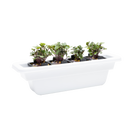
There is something genuinely satisfying about walking up to your indoor garden, snipping a handful of crisp, vibrant lettuce, and turning it into dinner in under ten minutes. Hydroponic lettuce salad recipes are built around exactly that experience — using fresh, nutrient-rich greens grown without soil, in a controlled water-based system, to create dishes that taste noticeably more alive than anything from a grocery store bag. Hydroponic growing is a method in which plants receive their nutrients directly through a water solution rather than from soil, allowing for faster growth, cleaner leaves, and harvests that happen on your schedule. This guide walks you through the best salad recipes for your homegrown lettuce, the dressings that make each variety shine, and the practical knowledge you need to keep that harvest coming all year long.
Why Hydroponic Lettuce Tastes Different (And Better)
If you have ever grown lettuce hydroponically and then gone back to store-bought, you already know. The difference is not subtle. Hydroponically grown lettuce benefits from a precisely managed root environment — stable pH between 5.5 and 6.5, consistent electrical conductivity (EC) levels that measure how nutrient-rich the water is, and optimal light cycles — all of which translate directly into flavor, texture, and nutritional density.
According to a study published by researchers at the University of Florida's Institute of Food and Agricultural Sciences, hydroponically grown lettuce can produce yields up to 11 times higher per square foot than field-grown lettuce under comparable conditions. That means a compact countertop system like the Personal Garden can realistically keep a household in fresh salad greens week after week without a trip to the produce aisle.
NASA's Veggie project, which has been growing leafy greens aboard the International Space Station since 2014, has also demonstrated that hydroponically grown lettuce — specifically 'Outredgeous' red romaine — is both safe to eat and nutritionally comparable to Earth-grown counterparts. If hydroponic lettuce is good enough for astronauts, it is more than ready for your salad bowl.
The USDA reports that the average American eats approximately 30 pounds of lettuce per year, making it one of the most consumed vegetables in the country. Growing even a portion of that yourself dramatically reduces your reliance on supply chains that add days between harvest and plate.
The Best Lettuce Varieties to Grow for Salads
Not all lettuce is created equal when it comes to salad-making, and the variety you choose shapes everything from texture to how well a dressing clings to each leaf. Here are the top performers for hydroponic growing and the salad styles they suit best.
- Butter lettuce (Butterhead): Soft, tender, cup-shaped leaves with a mild, slightly sweet flavor. Ideal for delicate vinaigrettes and creamy butter lettuce salad dressings. Grows quickly in hydroponic systems and is one of the most forgiving varieties for beginners.
- Green leaf lettuce: Loose, ruffled leaves with a mild flavor and satisfying crunch. Excellent for everyday salads and pairs beautifully with bright citrus dressings.
- Red leaf lettuce: Similar structure to green leaf but with anthocyanin-rich red tips that add visual pop and a slightly more robust taste. Great for mixed salad bowls.
- Romaine: Sturdy, upright leaves with a crisp rib and slightly bitter undertone. The go-to for Caesar salads and grain bowl bases.
- Oak leaf: Deeply lobed, tender leaves that come in green and red varieties. Adds visual texture to any fresh garden lettuce salad and holds up well under heavier dressings.
Rise Gardens seed pods include several of these varieties, making it easy to stagger plantings so you always have something ready to harvest. A general rule: plant a new pod every one to two weeks to maintain a continuous supply.
Hydroponic Lettuce Salad Recipes to Make This Week
These recipes are designed to use what you are most likely to have growing at any given time. Each one highlights the flavor of the lettuce itself rather than burying it under heavy toppings.
1. Classic Butter Lettuce Salad With Shallot Vinaigrette
This homegrown lettuce recipe showcases just how good butter lettuce can be when it is truly fresh. The leaves are delicate enough that a light dressing is all they need.
Ingredients:
- 4 cups freshly harvested butter lettuce, torn gently
- 1 small shallot, finely minced
- 2 tablespoons white wine vinegar
- 1 teaspoon Dijon mustard
- 1 teaspoon honey
- 4 tablespoons extra virgin olive oil
- Salt and cracked black pepper to taste
- Optional: shaved Parmesan, toasted walnuts
Method: Whisk together the shallot, vinegar, mustard, and honey. Slowly drizzle in olive oil while whisking to emulsify. Season to taste. Tear lettuce into a large bowl, drizzle dressing over the top, and toss gently just before serving. The key to a great butter lettuce salad dressing is balance — you want acidity that brightens without overpowering the leaf's natural sweetness.
2. Romaine and Herb Salad With Lemon Tahini Dressing
Romaine grown hydroponically develops a satisfying crunch and a clean, slightly bitter flavor that stands up to a bolder dressing.
Ingredients:
- 4 cups romaine, chopped into 1-inch pieces
- 1/4 cup fresh parsley, roughly chopped
- 2 tablespoons fresh mint, torn
- 1/4 cup cherry tomatoes, halved
- 3 tablespoons tahini
- Juice of 1 lemon
- 1 small garlic clove, grated
- 2-3 tablespoons warm water to thin
- Salt to taste
Method: Whisk tahini, lemon juice, garlic, and water until smooth and pourable. Combine romaine, herbs, and tomatoes in a large bowl. Drizzle dressing, toss, and serve immediately. This is one of those fresh garden lettuce salad ideas that works equally well as a side dish or a light main.
3. Mixed Leaf Salad With Balsamic Glaze and Strawberries
This recipe leans into the visual appeal of a mixed hydroponic harvest — red leaf, green leaf, and oak leaf together create a bowl that looks like it came from a farm-to-table restaurant.
Ingredients:
- 2 cups red leaf lettuce
- 2 cups green leaf or oak leaf lettuce
- 1/2 cup sliced fresh strawberries
- 1/4 cup crumbled goat cheese
- 2 tablespoons balsamic glaze
- 1 tablespoon olive oil
- Pinch of sea salt
Method: Arrange lettuces on a platter. Scatter strawberries and goat cheese over the top. Drizzle olive oil first, then finish with balsamic glaze. This is a salad that needs very little — the freshness of the leaves does the heavy lifting.
4. Chopped Garden Salad With Herb Ranch Dressing
A crowd-pleaser that turns a full hydroponic harvest into something hearty enough for a weeknight meal. If you are also growing herbs — dill, chives, parsley — this is the recipe to use them in.
Ingredients:
- 3 cups romaine or green leaf, finely chopped
- 1/2 cup cucumber, diced
- 1/4 cup red onion, thinly sliced
- 1/4 cup radishes, sliced
- 1/2 cup chickpeas, rinsed
- For the ranch: 1/2 cup Greek yogurt, 2 tablespoons mayonnaise, 1 tablespoon each fresh dill and chives, 1 teaspoon garlic powder, juice of half a lemon, salt and pepper
Method: Blend all ranch ingredients together and refrigerate for at least 15 minutes to let flavors develop. Toss chopped vegetables together, dress generously, and serve. This homegrown lettuce recipe is a reminder that ranch dressing made with fresh herbs from your own garden is a fundamentally different product than anything in a bottle.
What Is the Best Butter Lettuce Salad Dressing for Hydroponic Greens?
Butter lettuce is arguably the most rewarding variety to grow indoors because it matures quickly — typically within 30 to 45 days from transplant in a hydroponic system — and the leaves are so tender that they require very little prep. The best butter lettuce salad dressing options share one quality: they complement rather than compete.
Here are three dressings ranked by versatility:
- Classic shallot vinaigrette (see recipe above) — works with almost every topping combination and is the most universally loved pairing for butter lettuce.
- Creamy avocado dressing — blend one ripe avocado with the juice of one lime, a clove of garlic, two tablespoons of olive oil, and enough water to reach a pourable consistency. This adds richness without heaviness.
- Champagne vinaigrette — champagne vinegar's lighter acidity is perfect for the most delicate leaves. Combine with a neutral oil, a touch of honey, and whole grain mustard for texture.
A note on dressing fresh hydroponic lettuce: because the leaves have higher water content and are more tender than field-grown varieties, always dress right before serving and use a lighter hand than you would with sturdier greens.
How Do You Grow Enough Lettuce to Harvest Salads Every Week?
This is the question most new indoor gardeners ask within the first few weeks, once they realize how fast they go through fresh greens. The answer is a combination of the right system size, staggered planting, and the cut-and-come-again harvesting technique.
Staggered planting: Rather than planting all your lettuce at once, start new seed pods every seven to fourteen days. This creates a rolling harvest calendar where at least one variety is always at peak size.
Cut-and-come-again harvesting: Instead of pulling the entire plant, harvest outer leaves first, leaving the central growing point — the apical meristem — intact. The plant will continue producing new leaves for several additional weeks. This can effectively double or triple the total yield from a single pod.
System capacity: If you find yourself wanting more volume, the The Rise Garden 3 supports a significant number of plant sites across multiple tiers, giving you the capacity to grow several lettuce varieties simultaneously alongside herbs and other greens. For households that eat salad daily, a larger system quickly pays for itself in grocery savings. The The Rise Loft offers that same multi-tier growing power in a furniture-grade design that fits seamlessly into living spaces — it is a system built for people who want both function and aesthetics in equal measure.
One additional tip: nutrients matter more than most beginners expect. Lettuce requires a lighter nutrient solution than fruiting plants — an EC between 0.8 and 1.6 is generally ideal — and keeping that range consistent is the single biggest factor in producing leaves that taste clean and sweet rather than bitter or flat.
Frequently Asked Questions About Hydroponic Lettuce Salad Recipes
How long does hydroponic lettuce last after harvesting?
Freshly harvested hydroponic lettuce stored unwashed in an airtight container lined with a paper towel will stay crisp in the refrigerator for five to seven days. Because there is no soil, field residue, or chemical sprays involved, the leaves tend to stay fresh longer than store-bought alternatives. For best results, harvest in the morning when sugar content is slightly higher.
Can you eat hydroponic lettuce raw directly from the garden?
Yes — in fact, eating it raw immediately after harvest is when hydroponic lettuce is at its peak. Because it is grown in a controlled indoor environment without soil, there is no need to worry about soil-borne pathogens in the way that field crops require caution. A quick rinse under cold water is all that is needed before eating.
What nutrients does hydroponic lettuce need for the best flavor?
Lettuce thrives on a balanced macro-nutrient solution containing nitrogen, phosphorus, and potassium, with key micronutrients including calcium, magnesium, and iron. Nitrogen drives leafy growth and green color, while calcium prevents tip burn — a common issue in fast-growing hydroponic lettuce. Maintaining a solution pH of 5.5 to 6.5 ensures those nutrients remain bioavailable to the plant. Using a purpose-formulated hydroponic nutrient formula takes the guesswork out of this process.
Which lettuce varieties are easiest to grow hydroponically for beginners?
Butter lettuce and green leaf lettuce are consistently the most forgiving for new hydroponic growers. Both germinate quickly, tolerate minor fluctuations in nutrient concentration, and are ready to harvest in approximately 30 to 45 days. Romaine takes slightly longer — around 60 to 70 days — but is equally reliable once established. Starting with a single variety lets you build confidence before experimenting with a full mixed-green setup.