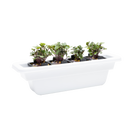
If you've ever taken a bite of your homegrown lettuce and winced at an unexpected bitterness, you're not alone — and there's a clear explanation. Why are my hydroponic lettuce leaves bitter? is one of the most common questions among indoor gardeners, and the answer almost always comes down to plant stress. Bitterness in lettuce is caused by the accumulation of sesquiterpene lactones — naturally occurring compounds that the plant produces when it experiences environmental or nutritional stress. The good news is that once you identify the trigger, a bitter lettuce fix is usually straightforward. This guide walks you through every major cause and gives you actionable steps to grow sweeter, more flavorful greens in your hydroponic system.
What Causes Bitter Lettuce in Hydroponics?
Lettuce is a cool-season crop, and it evolved to grow in mild, temperate conditions. When those conditions aren't met — whether in soil or water — the plant responds by ramping up its production of bitter compounds. In a hydroponic system, several controllable variables can push lettuce into this stress response.
The most common culprits include:
- High temperatures — Lettuce begins to bolt (flower) when temperatures consistently exceed 75°F (24°C). Bolting is the plant's attempt to reproduce before it dies, and it triggers a rapid surge in bitterness. Research from the University of Arizona's Controlled Environment Agriculture Center has shown that lettuce grown above 80°F produces significantly higher concentrations of bitter lactones.
- Nutrient imbalances — Too much nitrogen can accelerate vegetative growth at the expense of flavor. Conversely, calcium deficiency is a direct driver of lettuce tip burn hydroponics, a condition where leaf edges turn brown and die, stressing the plant and contributing to bitterness.
- pH fluctuations — pH (the measure of acidity or alkalinity in your nutrient solution, on a scale of 0–14) should stay between 5.5 and 6.5 for lettuce. Outside this range, nutrient lockout occurs — the plant can't absorb what it needs even if those nutrients are present in the water.
- Light stress — Too many hours of intense light without a dark period can stress lettuce and encourage early bolting. Most lettuce varieties perform best with 14–16 hours of light per day.
- Electrical conductivity (EC) levels that are too high — EC measures the concentration of dissolved nutrients in your solution. For lettuce, the ideal EC range is 0.8–1.6 mS/cm. When EC climbs too high, the plant experiences osmotic stress, which can impair water uptake and flavor.
Understanding which of these factors is affecting your plants is the first step toward a real bitter lettuce fix.
What Is Lettuce Tip Burn and How Does It Connect to Bitterness?
Lettuce tip burn hydroponics is a physiological disorder — not a disease — caused by calcium deficiency at the leaf margins. It shows up as brown, papery edges on the inner or outer leaves, and it's one of the most telling signs that your plant is under stress. Tip burn doesn't directly cause bitterness, but it signals the same underlying problems: poor circulation, inadequate calcium uptake, or high temperatures that prevent the plant from moving calcium efficiently through its tissues.
According to NASA's Veggie project, which has grown lettuce in microgravity aboard the International Space Station, calcium delivery to fast-growing leaf tissue is one of the most critical challenges in controlled environment agriculture. Their findings confirm that airflow and solution circulation are just as important as nutrient concentration when it comes to preventing tip burn and maintaining plant health.
To reduce tip burn and the associated plant stress:
- Ensure your hydroponic system provides adequate circulation so nutrients reach all parts of the root zone.
- Keep ambient temperatures below 75°F, especially during the light cycle.
- Add a small oscillating fan near your garden to improve air movement around the plant canopy.
- Check your nutrients solution regularly to confirm calcium levels are within the recommended range.
How Temperature and Light Affect the Flavor of Hydroponic Greens
Temperature is the single biggest driver of bitterness in lettuce — and in a hydroponic setup, it's a variable you can actually control. When your grow space stays too warm, lettuce shifts from vegetative growth to reproductive mode. The plant starts producing a flowering stalk, and that biological shift sends bitterness through every leaf.
A 2019 study published in the journal HortScience found that lettuce harvested at a growing temperature of 68°F (20°C) had measurably lower concentrations of bitter sesquiterpene lactones compared to plants grown at 77°F (25°C) — a difference of just 9 degrees Fahrenheit produced a statistically significant change in flavor compounds.
Light duration also matters. Lettuce is a long-day plant, meaning extended light exposure encourages it to bolt. Aim for a 14–16 hour light cycle with a true dark period. If you're growing with a system like The Rise Garden 3, the built-in grow lights are designed to deliver the right spectrum and duration automatically, removing a lot of the guesswork from this equation.
Practical temperature tips to reduce bitterness in hydroponic greens:
- Keep your grow space between 65°F and 72°F for best flavor.
- Harvest in the morning before lights-on, when sugar content is highest and the plant hasn't been warming up throughout the day.
- If you're growing in a warm room, consider placing your garden near an air conditioning vent or using a small clip fan to bring temperatures down.
Nutrient Solution Management: The Key to Sweeter Lettuce
Your nutrient solution is the lifeblood of your hydroponic lettuce. Getting it right means monitoring three core metrics: pH, EC, and the balance of macro and micronutrients.
pH should be tested every 2–3 days and maintained between 5.5 and 6.5. Even a slight drift outside this range can cause nutrient lockout — a condition where essential elements like calcium, iron, and magnesium become chemically unavailable to the plant, even though they're present in the water. Nutrient lockout leads to deficiencies, which lead to stress, which leads to bitter leaves.
EC for lettuce should stay in the 0.8–1.6 mS/cm range. At the lower end, young seedlings thrive. At the higher end, mature heads develop more robustly. If your EC climbs above 2.0 mS/cm, you risk osmotic stress — essentially the roots have a harder time pulling water in because the solution is too concentrated. Dilute with pH-adjusted water to bring it back into range.
Using high-quality, properly balanced nutrients formulated specifically for leafy greens makes a measurable difference. Generic fertilizers designed for soil may lack the chelated micronutrients that hydroponic plants depend on, since there's no soil biology to help break compounds down.
Replace your nutrient solution completely every 7–14 days to prevent salt buildup and microbial imbalances. Between changes, top off with pH-adjusted water as levels drop from plant uptake and evaporation.
Choosing the Right Lettuce Varieties to Minimize Bitterness
Not all lettuce is created equal when it comes to flavor. Some varieties are naturally more prone to bitterness under stress, while others have been bred specifically for mild flavor and heat tolerance.
Butterhead varieties — like Buttercrunch and Boston — are consistently among the mildest-tasting lettuces and tend to perform well in indoor hydroponic environments. Romaine holds up reasonably well too, though it can turn bitter quickly if temperatures spike. Loose-leaf varieties like Black Seeded Simpson are fast-growing and forgiving, which makes them a popular choice for beginners.
Iceberg lettuce, while popular in grocery stores, is one of the more challenging varieties to grow hydroponically because it requires a long growing period and is sensitive to tip burn. If you're regularly dealing with bitterness, switching to a butterhead or loose-leaf variety is one of the simplest changes you can make.
Rise Gardens seed pods include several lettuce varieties optimized for indoor hydroponic growing — bred for flavor, fast harvest cycles, and resilience in controlled environments. Starting with the right genetics gives you a meaningful head start.
Setting Up Your System to Prevent Bitterness from the Start
Prevention is more effective than correction, and the good news is that modern hydroponic systems make it easier than ever to maintain the stable conditions lettuce needs. Whether you're growing on a countertop with a Personal Garden or filling out a full-size setup like The Rise Loft — a premium indoor garden with furniture-grade design — the fundamentals are the same.
Here's a quick-reference checklist for a bitterness-free grow:
- Temperature: 65–72°F in the grow space
- Light cycle: 14–16 hours on, 8–10 hours off
- pH: 5.5–6.5, tested every 2–3 days
- EC: 0.8–1.6 mS/cm for lettuce
- Airflow: Gentle fan circulation to prevent tip burn
- Nutrient solution change: Every 7–14 days
- Harvest timing: Before heads bolt; most varieties are ready in 30–45 days
One often-overlooked factor is harvest timing. Lettuce flavor peaks before the plant bolts. If you see a central stalk beginning to elongate, harvest immediately — that's the plant's signal that it's shifting into reproductive mode. Waiting even a few extra days can mean the difference between crisp, mild leaves and overwhelmingly bitter ones.
According to the USDA Agricultural Research Service, post-harvest handling also plays a role: lettuce stored at temperatures above 41°F (5°C) after harvest shows accelerated degradation of flavor compounds. Keep your harvested greens refrigerated promptly to preserve the sweetness you worked to grow.
Frequently Asked Questions
Why does my hydroponic lettuce taste bitter even though it looks healthy?
Lettuce can accumulate bitter compounds before visual symptoms appear. If your plants look fine but taste bitter, check your grow room temperature first — temperatures above 75°F are the most common hidden cause. Also verify your light cycle isn't running longer than 16 hours per day, which can trigger early bolting even in plants that appear visually healthy.
Can I fix bitter lettuce once it's already growing, or do I need to start over?
In many cases, you can recover bitter lettuce without starting over. Lower your grow room temperature, adjust your pH back into the 5.5–6.5 range, perform a full nutrient solution change, and ensure adequate airflow. New growth that emerges after you correct the conditions will often taste significantly better. However, if the plant has already begun to bolt — indicated by a tall central stalk — harvest what you can and start fresh with a new crop.
What is the ideal water temperature for growing hydroponic lettuce?
The ideal water (nutrient solution) temperature for hydroponic lettuce is between 65°F and 72°F (18–22°C). Water that's too warm holds less dissolved oxygen and becomes a breeding ground for root pathogens like Pythium, which stresses the plant and can contribute to off-flavors. If your reservoir is running warm, moving it away from heat sources or using a small aquarium chiller can help.
How often should I change my nutrient solution to prevent bitterness?
Change your hydroponic nutrient solution completely every 7–14 days for lettuce. Between changes, top off with pH-adjusted water as levels drop. Over time, nutrient solutions accumulate salt imbalances and can drift in pH and EC in ways that routine testing won't fully capture. Fresh solution every one to two weeks gives your plants a clean slate and helps maintain the consistent conditions that produce mild, flavorful leaves.