There's nothing quite like fresh flowers to brighten up your space and bring joy to your life. While traditional gardeners are at the mercy of the weather when it comes to growing flowers, Rise Gardens allows people to grow beautiful flowers indoors, year-round. Senior care communities are also realizing the benefits of bringing indoor gardening to their residents. The delight of growing flowers is just part of the benefit, though. Seniors can also enjoy flower arranging as a fun and easy activity for that benefits their health. Here are the benefits of flower arranging for seniors:
How Can Flower Arranging Be Calming and Therapeutic?
Flower arranging, also known as Floral Therapy, is a relaxing activity that has been shown to brighten moods and lessen symptoms of depression. According to one study, even three minutes of viewing yellow and red flowers had an immediate positive impact on individuals' well-being. Research from Rutgers University found that flowers have an immediate positive effect on emotional well-being, with participants reporting higher levels of life satisfaction after receiving flowers. With floral arranging, seniors can immerse themselves in a calming, meditative activity, the results of which can be enjoyed by the whole community.
Encourages Community
Seniors can bond and connect through flower-arranging classes in assisted living communities, independent living communities, and skilled nursing facilities. Connecting with others over shared interests helps reduce feelings of loneliness, increase engagement and boost resident satisfaction.
Promotes Brain Function and Dexterity
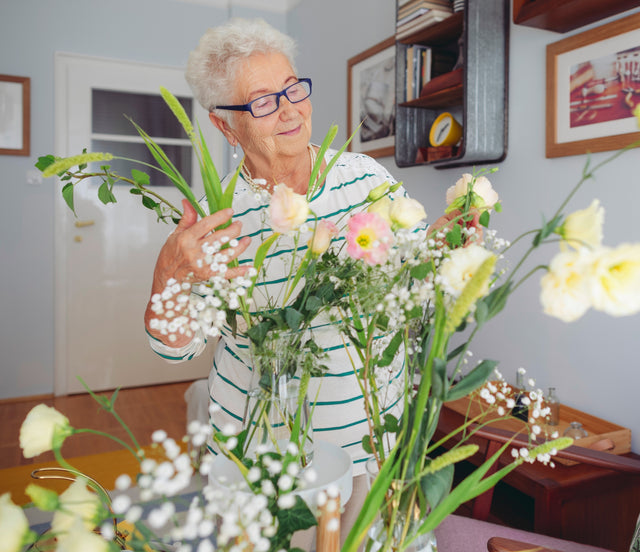
Flower arranging can help improve hand muscles and stimulate muscle memory, which benefits seniors with arthritis, dementia, or other neurological conditions. Studies in horticultural therapy have found that plant-based activities can reduce agitation in dementia patients by up to 19%, making flower arranging a particularly meaningful addition to memory care programming.
An Activity with Meaning
Seniors can create unique bouquets with different flowers, each with a special meaning, allowing them to create bouquets that truly speak to others. Growing these blooms is straightforward with the right tools — seed pods designed for hydroponic systems make it easy to start flowering varieties from scratch with no soil required. Here are the meaning of just a few flowers:
Yellow Poppies – Symbolizes optimism, positivity, goodwill, and happiness.
Baby's Breath – Depicts hope, new beginnings, sincerity, and love.
Marigolds – Stands for strength, good luck, creativity, and energy.
Sunflowers – Represents positivity, cheer, health, and hope.
Lavender – Signifies calm, serenity, grace, and tranquility.
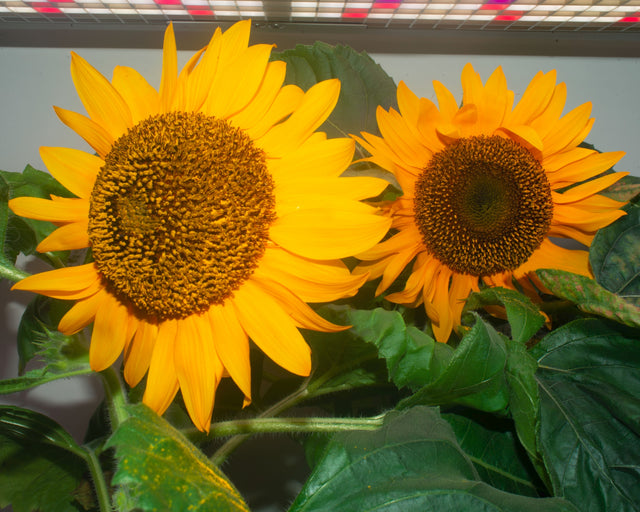
Growing these flowers is easy for senior gardeners with hydroponic gardening, which uses up to 95% less water than traditional soil gardening — making it a sustainable and low-maintenance choice for senior living communities. Interested in adding a Rise Garden to your senior living community? Contact us today to learn more.
Frequently Asked Questions
What are the mental health benefits of flower arranging?
Flower arranging is recognized as a therapeutic activity that reduces stress, promotes mindfulness, and encourages creative self-expression — all documented benefits of nature-based therapies. The act of working with flowers engages multiple senses simultaneously, which is calming and grounding for many people experiencing anxiety or mental fatigue. Japanese ikebana, one of the world's oldest flower-arranging traditions, has long been practiced as a meditative discipline for these very reasons.
Can I grow flowers for arranging in a Rise Garden?
Yes — Rise Garden offers a selection of edible and ornamental flower varieties including nasturtiums, pansies, violas, and marigolds that are beautiful in both culinary applications and small floral arrangements. While Rise Garden is optimized for food-grade plants, these compact flowering varieties thrive in its pod system and provide a continuous supply of fresh blooms for wellness crafts. Growing your own flowers adds an extra layer of therapeutic benefit to the arranging process.
What is horticultural therapy and who does it benefit?
Horticultural therapy is a professionally guided practice that uses gardening and plant-based activities to improve physical, cognitive, social, and emotional well-being. It is used in rehabilitation centers, memory care facilities, schools, and mental health programs to support patients and clients of all ages. Even informal home gardening with a system like Rise Garden delivers many of the same stress-reducing, mood-lifting benefits documented in clinical horticultural therapy research.
How do I create a simple flower arrangement with plants from my Rise Garden?
Start by selecting a mix of flowering and foliage plants — for example, edible pansies as focal blooms with basil and mint leaves as greenery filler. Use a small vase, mason jar, or teacup as your vessel and vary the stem heights for visual interest and depth. Cutting stems at a diagonal under water before placing them in the vase extends the life of your arrangement, and misting lightly with water helps blooms stay fresh longer.