-
1. Origins
Hydroponically grown herbs — plants cultivated without soil using nutrient-rich water solutions — have roots stretching back across many civilizations and regions. Herbs span various families such as Lamiaceae and Apiaceae and have a long-standing history of use worldwide. Basil hails from India, thyme from the Mediterranean, and sage from the Balkans. Cultivated for thousands of years for their culinary, medicinal, and spiritual purposes, herbs have an extensive global heritage. With the rise of hydroponic systems, the cultivation of these diverse plants has become accessible in regions previously deemed unsuitable, bridging cultures and cuisines worldwide.
-
2. Plant Characteristics and Benefits
Herbs are plants prized for their flavors, aromas, and medicinal benefits. From the delicate, sweet taste of mint to the hearty robustness of rosemary, hydroponically grown herbs offer a bounty of culinary opportunities.
Rich in essential oils, vitamins, and antioxidants, herbs contribute to overall wellness. Some, like oregano, have potent antibacterial properties, while others, such as chamomile, are known for their calming effects. Hydroponically grown herbs often exhibit more vigorous growth and yield compared to their soil-grown counterparts.
-
3. Growing Tips and Tricks for Hydroponic Herbs
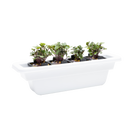
Cultivating herbs hydroponically, whether in commercial or home-based setups like the Rise Garden, can be a rewarding endeavor. Here are some useful tips for nurturing these aromatic plants:
Water
Maintain a stable pH level between 5.5 and 6.5 in your hydroponic solution. This balance ensures optimal nutrient absorption for your herbs.
Light
Herbs need substantial light for optimal growth. LED grow lights are perfect for indoor hydroponic cultivation. Aim for a light cycle of 14-16 hours per day.
Air
Proper air circulation is essential to prevent fungal diseases. Fans or ventilation systems can help maintain a gentle breeze around the herbs.
Temperature & Humidity
The ideal temperature for growing most herbs is between 60-70 degrees Fahrenheit (15-21 degrees Celsius), and humidity should be around 40-70%.
Nutrients
Regularly monitor nutrients levels in your hydroponic solution and adjust according to the specific needs of herbs. The EC (electrical conductivity) level — a measure of the concentration of dissolved nutrients in your water solution — is a useful indicator for keeping your formula properly balanced. Most hydroponic nutrient solutions will come with instructions for the appropriate concentrations.
Pest Management
Regularly inspect your herbs for signs of pests or diseases. In a hydroponic setup, cleanliness is key to prevent issues related to water quality or pests that could invade through open vents.
Harvesting
Harvest herbs as needed, but avoid taking more than one-third of the plant at a time to allow for regrowth.
-
4. Uses
Hydroponically grown herbs are culinary standouts, enhancing everything from sauces and salads to marinades and desserts. Whether used fresh or dried, herbs can transform an ordinary dish into something extraordinary.
Beyond their culinary use, herbs are incorporated in traditional medicine, teas, and aromatherapy. For instance, lavender is known for its calming properties, while ginger can aid digestion.
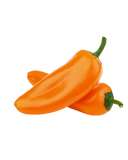
Beyond cooking, peppers are used in traditional medicines and in the production of capsaicin-based products, including topical creams for pain relief and pepper sprays for self-defense
In conclusion, hydroponically grown herbs aren't just tasteful additions to meals; they're versatile plants with diverse uses and rich histories. Whether you grow them in your hydroponic system or infuse them into your tea, herbs offer flavor, health benefits, and a dash of nature's charm. Explore their vast array and savor the complexity they bring to your plate and your life.
Want to learn more, check out The Complete Beginner's Guide to Indoor Herb Gardening


Frequently Asked Questions
What herbs grow best in a hydroponic garden?
Basil, cilantro, mint, parsley, chives, dill, and thyme are among the most productive and popular herbs to grow hydroponically. These herbs have relatively short growing cycles and can be harvested repeatedly, making them excellent value crops for a home system. Rise Gardens' herb seed pod selection covers everything from everyday kitchen staples to more exotic varieties like Thai basil and lemon verbena.
Do hydroponically grown herbs taste different from soil-grown herbs?
Hydroponically grown herbs are often described as having a brighter, more vibrant flavor than soil-grown counterparts because they are harvested at peak freshness rather than days after being picked. Controlled nutrient delivery also ensures consistent growth without the stress fluctuations that can affect flavor in soil. Many Rise Gardens members say their homegrown basil and cilantro taste noticeably better than anything they've bought at a store.
How often should I harvest herbs from my Rise Gardens system?
Regular harvesting — at least once a week — actually encourages more vigorous growth by preventing herbs from bolting (going to seed) and keeps them in their most flavorful vegetative state. For basil, pinching off flower buds as they appear is especially important for maintaining leaf production and flavor. The more you harvest, the more your herbs will grow.
Can I grow multiple herb varieties at the same time in one system?
Yes — Rise Gardens is designed to grow multiple varieties simultaneously, allowing you to maintain a diverse herb garden in one compact system. The key is pairing herbs with similar light and nutrient requirements in the same growing panels. Most common kitchen herbs have compatible needs and grow together beautifully in a Rise Gardens setup.