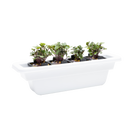
An arugula and strawberry salad with homegrown greens is exactly what it sounds like: a bright, restaurant-worthy dish built around peppery arugula leaves, sweet fresh strawberries, and a handful of complementary greens — all tossed in a tangy balsamic dressing. What makes this version different is that the star ingredient, arugula, comes straight from your own indoor hydroponic garden. When you grow your own greens, you control the harvest timing, the flavor intensity, and the freshness level in ways that a grocery store bag simply cannot match. This guide walks you through the full recipe, explains why hydroponically grown arugula is a game-changer for this dish, and shows you exactly how to get a continuous supply of tender, peppery leaves growing right on your countertop or in your living room.
Why Arugula and Strawberry Salad Is the Perfect Peppery Green Fruit Salad Recipe
Arugula belongs to the Brassicaceae family — the same plant family as kale, broccoli, and radishes — and its signature peppery, slightly bitter flavor comes from natural glucosinolate compounds. That sharp edge is exactly what makes it such a brilliant pairing with sweet summer strawberries. The fruit softens the bite; the greens keep the whole salad from tipping into cloying sweetness. The result is a perfectly balanced peppery green fruit salad recipe that works as a weeknight side, an impressive dinner party starter, or a satisfying standalone lunch.
According to the USDA FoodData Central database, one cup of raw arugula contains approximately 5 calories and provides meaningful amounts of vitamin K, vitamin A, and folate. Strawberries add vitamin C — a single cup delivering over 85 milligrams, which exceeds the daily recommended intake for most adults. Together, these two ingredients create a nutritionally dense salad that tastes indulgent without being heavy.
The flavor profile deepens even further when you add crumbled feta cheese and a homemade balsamic arugula salad dressing. The salt and fat from the feta create a creamy counterpoint to the acidic dressing, and the balsamic vinegar's natural sweetness ties every element together. This is the version we're making today.
The Full Arugula Strawberry Feta Salad Recipe
Below is the complete recipe. Everything scales easily — double it for a crowd or halve it for a solo lunch bowl.
Ingredients (Serves 4)
- 4 cups fresh arugula, loosely packed (homegrown preferred)
- 1 cup fresh strawberries, hulled and sliced
- ½ cup crumbled feta cheese
- ¼ cup thinly sliced red onion
- 3 tablespoons toasted pine nuts or candied walnuts
- Optional: ¼ cup fresh basil leaves or microgreens from your garden
Balsamic Arugula Salad Dressing
- 3 tablespoons good-quality balsamic vinegar
- 1 tablespoon honey or maple syrup
- 1 teaspoon Dijon mustard
- 1 small garlic clove, minced
- ¼ cup extra-virgin olive oil
- Salt and freshly cracked black pepper to taste
Instructions
- Whisk together the balsamic vinegar, honey, Dijon mustard, and garlic in a small bowl. Slowly drizzle in the olive oil while whisking continuously until the dressing emulsifies. Season with salt and pepper. Set aside.
- Place the arugula in a wide, shallow salad bowl. Add the sliced strawberries and red onion.
- Drizzle about two-thirds of the dressing over the greens and toss gently — arugula bruises easily, so use a light hand.
- Top with crumbled feta, toasted pine nuts, and any additional herbs or microgreens.
- Drizzle remaining dressing over the top just before serving. Eat immediately for the best texture.
Pro tip: If your arugula is freshly harvested from your indoor garden within the last hour, it will hold up in the dressing longer than store-bought arugula, which may already be 5–10 days old by the time it reaches your plate. Freshness matters more in this salad than almost any other dish.
What Makes Hydroponically Grown Arugula Better for This Salad?
Hydroponics is a method of growing plants in a nutrient-rich water solution rather than soil. The roots receive a precisely balanced blend of minerals and water directly, which means the plant spends less energy searching for food and more energy developing leaves, flavor compounds, and nutritional density. Research from Cornell University's Controlled Environment Agriculture program has shown that hydroponically grown leafy greens can reach harvest-ready size up to 50% faster than soil-grown equivalents under optimized conditions, without sacrificing flavor or nutrient content.
For arugula specifically, this matters because the peppery glucosinolate flavor you want in a salad like this is most pronounced in young, fresh leaves harvested at peak maturity. Grocery store arugula is often harvested early, then shipped and stored — a process that dulls the flavor. When you grow arugula in a Rise Gardens system and harvest it the day you make your salad, you get leaves at their absolute flavor peak. That intensity is what makes the difference between a good arugula strawberry feta salad and a transcendent one.
Indoor hydroponic gardens also give you precise control over growing conditions. Rise Gardens systems maintain optimal water pH levels (generally between 5.5 and 6.5 for leafy greens) and electrical conductivity (EC) — a measurement of how concentrated the nutrient solution is in the water. When EC and pH are dialed in, arugula grows quickly, evenly, and with consistent flavor from harvest to harvest.
The NASA Veggie project, which has been researching plant growth in controlled environments since 2014, demonstrated that lettuce and leafy greens grown in hydroponic systems are safe, nutritious, and can match or exceed the quality of field-grown equivalents — an important endorsement of the science behind indoor growing.
How to Grow Arugula Indoors with Rise Gardens
Growing arugula indoors is one of the most beginner-friendly things you can do with a hydroponic garden. Arugula germinates quickly — typically within 5–7 days — and reaches harvest size in about 3–4 weeks under good lighting conditions. You can begin harvesting individual outer leaves as soon as the plant is established, which extends your yield over several weeks rather than requiring a single all-at-once harvest.
Here is what you need to get started:
- A Rise Gardens system: The compact Personal Garden fits on any countertop and holds up to 6 plants at once — more than enough arugula for weekly salad production. If you want to grow arugula alongside strawberries, herbs, and other greens simultaneously, the The Rise Garden 3 offers a full-size, multi-tier growing environment that handles a larger plant variety with ease. For those who want a beautiful, furniture-grade system that blends into a stylish living room or kitchen, The Rise Loft delivers premium performance in an elegant design.
- Arugula seed pods: Rise Gardens pre-seeded seed pods take the guesswork out of germination. Each pod is designed to slot directly into your garden tray, so there's no transplanting, no soil mess, and no root disturbance.
- Nutrients: Use Rise Gardens' specially formulated nutrients in your water reservoir. The nutrients are calibrated for leafy greens and will support rapid, healthy arugula growth without you needing a background in plant science.
Once your arugula is growing, maintain a water temperature between 65°F and 72°F and keep your grow lights on for 16 hours per day. Arugula is a cool-weather crop and will bolt (send up a flower stalk and turn bitter) if temperatures climb too high, so indoor growing actually gives you a significant advantage over outdoor gardeners who battle summer heat.
Can You Grow Strawberries in an Indoor Hydroponic Garden?
Yes — and the results are genuinely impressive. Strawberries are one of the most popular fruits grown in hydroponic systems worldwide. Global hydroponic strawberry production has grown significantly in recent years, with industry estimates suggesting that hydroponically grown strawberries now represent a multi-billion dollar segment of the controlled environment agriculture market. Day-neutral strawberry varieties, such as Albion and Seascape, are particularly well-suited to indoor hydroponic growing because they produce fruit continuously regardless of day length.
In a Rise Gardens system, strawberries take longer to establish than arugula — typically 60–90 days from transplant to first fruit — but once they're producing, you can expect a steady supply of small, intensely sweet berries that bear little resemblance to the large, pale, watery strawberries you sometimes find at the grocery store. Homegrown hydroponic strawberries tend to be smaller and more intensely flavored because the plant isn't bred for shelf life or shipping durability — it's bred for eating fresh, right now.
Growing both arugula and strawberries in the same indoor garden means you can time your harvests to align and build an arugula and strawberry salad with homegrown greens that is genuinely, entirely homegrown. That's a level of farm-to-table that most people never experience.
Tips for Customizing Your Arugula Strawberry Feta Salad
This salad is highly adaptable. Here are tested variations worth trying once you've mastered the base recipe:
- Swap the cheese: Goat cheese works beautifully in place of feta for a creamier, tangier profile. Shaved Parmesan adds an umami depth that pairs especially well with a heavier hand on the balsamic.
- Add protein: Grilled chicken, seared salmon, or even crispy chickpeas turn this side salad into a complete meal. Sliced prosciutto is a classic pairing with both arugula and strawberries.
- Change the fruit: During fall, swap strawberries for thinly sliced pears or roasted figs. In winter, blood orange segments are a stunning alternative that keeps the sweet-tart balance intact.
- Adjust the dressing acidity: If you want a lighter balsamic arugula salad dressing, reduce the balsamic to 2 tablespoons and add a tablespoon of fresh lemon juice. This brightens the dressing without losing the depth of the balsamic.
- Add grains: A half-cup of cooked farro or quinoa added to the base turns this into a grain salad that holds up well as a meal prep option — though add the arugula just before serving to prevent wilting.
One detail that separates home cooks from seasoned chefs in this recipe: always dress arugula lightly and at the last possible moment. Arugula wilts faster than romaine or spinach, and overdressed arugula turns slick and limp within minutes. The dressing should coat the leaves, not pool at the bottom of the bowl.
FAQ: Arugula and Strawberry Salad with Homegrown Greens
How long does arugula take to grow in a hydroponic garden?
Arugula typically germinates within 5–7 days in a Rise Gardens hydroponic system and reaches harvest size in approximately 3–4 weeks under 16 hours of daily light. Because you can harvest individual outer leaves rather than cutting the whole plant, a single arugula pod can provide multiple harvests over 6–8 weeks before the plant bolts.
Can I make the balsamic arugula salad dressing ahead of time?
Yes — the dressing actually improves after 24 hours in the refrigerator as the garlic mellows and the flavors integrate. Store it in a sealed jar for up to one week and shake well before using. Add the dressing to the salad immediately before serving, not in advance, to keep the arugula crisp and fresh.
What is the best arugula variety for a peppery green fruit salad recipe?
Wild arugula (Diplotaxis tenuifolia) has a more intense, deeply peppery flavor than standard garden arugula (Eruca vesicaria sativa) and holds its structure slightly better in a dressed salad. Standard arugula is milder and more widely available in seed pod form. Both work well in this recipe — the choice depends on how much peppery heat you prefer in your salad.
Is it safe to eat arugula grown hydroponically without washing it?
Hydroponic arugula grown in a clean indoor system with treated water has a very low contamination risk compared to field-grown greens, which are exposed to soil, wildlife, and weather. However, food safety best practices recommend rinsing all fresh produce before eating regardless of growing method. A quick rinse under cold water is all that's needed — no produce wash required for homegrown hydroponic greens.