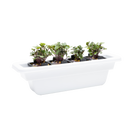
A hydroponic herb infused whipped butter recipe is exactly what it sounds like: a light, airy, compound butter made by whipping softened butter with fresh herbs you've grown yourself in a hydroponic indoor garden. Unlike a standard herb butter that simply folds chopped greens into cold butter, whipping the mixture incorporates air, creating a silky, spreadable texture that melts beautifully on warm bread, grilled steak, roasted vegetables, or a stunning indoor garden herb butter board for your next gathering. When those herbs come straight from a hydroponic system — snipped minutes before you start cooking — the flavor is brighter, the aroma more intense, and the experience of making it is genuinely satisfying in a way that grabbing a sad plastic clamshell from the grocery store never will be.
Why Hydroponic Herbs Make the Best Compound Butter
Flavor in fresh herbs is largely driven by volatile aromatic compounds — the essential oils that evaporate quickly after harvest. This is why chefs obsess over sourcing. According to the USDA Agricultural Research Service, many leafy herbs begin losing volatile aromatic compounds within hours of being cut, which means the bunch of basil that spent two days in a refrigerated truck before hitting the grocery shelf is already a shadow of its peak self.
Hydroponic herbs sidestep that problem entirely. Because hydroponics is a method of growing plants in a nutrient-rich water solution rather than soil, your plants live right in your kitchen or living space. You snip what you need, the plant keeps growing, and you lose almost none of that aromatic intensity between garden and cutting board. A 2021 study from the University of Florida's Institute of Food and Agricultural Sciences found that hydroponically grown basil contained measurably higher concentrations of linalool and eugenol — two key flavor compounds — compared to soil-grown basil under equivalent conditions.
For a homegrown herb compound spread, that difference is everything. Whipped butter is delicate; it amplifies what you put into it. Starting with herbs at their absolute peak means your finished butter will taste like something from a high-end restaurant, not a hotel continental breakfast.
The best herbs for this recipe are ones that thrive in hydroponic systems and grow quickly enough that you'll have a steady harvest. Basil, chives, thyme, parsley, tarragon, and dill are all excellent candidates — and all are available as seed pods designed specifically for Rise Gardens systems, pre-seeded and ready to drop in.
What Equipment and Ingredients Do You Need?
The beauty of this recipe is that it requires almost nothing special beyond a hand mixer or stand mixer and a few basic pantry staples. Here's exactly what you'll need:
For the whipped butter base:
- 1 cup (2 sticks / 225g) unsalted butter, brought to room temperature (about 65–68°F)
- ½ teaspoon fine sea salt (adjust to taste)
- 1 tablespoon heavy cream (optional — helps stabilize the whip)
For the herb blend (choose one profile or combine):
- Classic French: 2 tablespoons fresh chives, 1 tablespoon fresh tarragon, 1 tablespoon fresh parsley
- Garden-forward Italian: 3 tablespoons fresh basil, 1 teaspoon fresh thyme, 1 teaspoon lemon zest
- Bold and savory: 2 tablespoons fresh rosemary (finely minced), 1 tablespoon fresh thyme, 2 cloves roasted garlic
Optional flavor builders:
- 1 teaspoon lemon or orange zest
- ½ teaspoon cracked black pepper
- 1 teaspoon honey (pairs well with the Italian blend)
- Flaky finishing salt for topping
One important equipment note: your butter must be genuinely room temperature before you start. Cold butter will not whip — it will just chunk and clump. Give it a full 45–60 minutes on the counter. In a warm kitchen (above 72°F), watch it closely; you want soft and pliable, not greasy and melting.
The Step-by-Step Hydroponic Herb Infused Whipped Butter Recipe
Follow these steps for a foolproof result every time.
Step 1 — Harvest your herbs. Cut what you need directly from your hydroponic garden. Aim for young, tender growth from the top of the plant. Rinse briefly under cold water and pat completely dry with paper towels or a salad spinner. Wet herbs will water down the butter and shorten its shelf life. This is also the moment to taste your herbs — their flavor right now is exactly what your butter will taste like.
Step 2 — Mince finely. Rough chops leave unpleasant texture in whipped butter. Use a sharp chef's knife to mince your herbs into very small pieces, almost a paste for softer herbs like basil and chives. For woodier herbs like rosemary, mince even more finely to avoid any piney, fibrous bits.
Step 3 — Whip the butter. Place your room-temperature butter and salt in a stand mixer fitted with the whisk attachment, or use a hand mixer with a deep bowl. Whip on medium-high for 3–4 minutes until the butter turns noticeably pale and fluffy. Scrape down the sides once halfway through. If using heavy cream, add it now and whip another 30 seconds.
Step 4 — Fold in the herbs. Switch to a rubber spatula. Add your minced herbs and any zest, honey, or pepper. Fold gently — you want to preserve the air you just whipped in. Taste and adjust salt.
Step 5 — Serve or store. Transfer to a ramekin or small bowl for immediate serving. To store, roll the butter in parchment paper into a log shape, twist the ends, and refrigerate for up to 2 weeks or freeze for up to 3 months.
How to Build an Indoor Garden Herb Butter Board
The indoor garden herb butter board is one of the most impressive — and genuinely easy — appetizer presentations you can put together, and a batch of fresh herb whipped butter from your hydroponic garden is the perfect centerpiece for it. The format became a mainstream entertaining trend starting around 2022, and unlike the charcuterie board it draws inspiration from, it requires zero slicing and almost no advance planning.
Here's how to build one worth photographing:
The base: Use a large wooden cutting board, a marble slab, or a ceramic serving board. Spread your whipped butter generously across the center using an offset spatula or the back of a spoon, leaving an inch of border around the edges. Don't be shy — a thick, textured layer is the goal.
The garnish: This is where your hydroponic garden earns its place on the table again. Scatter whole small herb leaves directly on top of the butter — fresh basil, tiny thyme sprigs, microgreens, or edible flowers if you're growing them. Add a pinch of flaky sea salt, a few cracks of black pepper, and a light drizzle of good olive oil or honey.
The dippers: Arrange around the butter — sliced sourdough, baguette, crackers, crudités, radishes, and sliced cucumbers all work beautifully. Warm the bread slightly before serving so the butter starts to melt on contact.
A homegrown herb compound spread served this way communicates something a store-bought version simply cannot: intention. You grew those herbs. You made this. That context makes food taste better — and there's actually research to support that. A 2022 Cornell Food and Brand Lab study found that participants rated food they prepared themselves as significantly more enjoyable than identical food prepared by others, a phenomenon researchers call the IKEA effect applied to cooking.
Which Rise Gardens System Is Best for Growing Butter Herbs?
The answer depends on how much herb butter you plan to make and how much space you have. All three of Rise Gardens' current systems support the herbs you'd want for this recipe, but they differ in scale and footprint.
The Personal Garden is a compact countertop hydroponic garden that holds up to 12 pods and fits comfortably on most kitchen counters. If you're cooking for one or two people and want a constant rotation of two or three herb varieties — say, basil, chives, and parsley — the Personal Garden gives you exactly that without taking over your space. It's the lowest barrier to entry for anyone who wants fresh herb whipped butter from their hydroponic garden as a regular kitchen habit.
If you want more variety and higher volume — enough to harvest for compound butter, fresh salads, cocktails, and everyday cooking simultaneously — the The Rise Garden 3 is a full-size indoor hydroponic garden system that accommodates up to 36 pods across three levels. You can dedicate an entire tier to butter-worthy herbs and still have room for lettuce, peppers, or cherry tomatoes.
For households where aesthetics matter as much as output, The Rise Loft is a premium indoor garden with furniture-grade design that functions as a statement piece in a living room or dining area while still producing serious harvests. Hosting a dinner party and building an herb butter board as the appetizer? Having The Rise Loft visible in the room while you explain where the herbs came from is a genuinely memorable moment.
Whichever system you choose, make sure you're keeping up with nutrients — the liquid plant food that replaces soil nutrition in a hydroponic system. In hydroponics, nutrients are delivered directly to plant roots through water, and maintaining the correct concentration (measured as electrical conductivity, or EC) ensures your herbs stay vigorous and flavorful rather than leggy and bland. Rise Gardens nutrients are formulated specifically for the system, taking the guesswork out of EC and pH management.
How Long Does Fresh Herb Whipped Butter Last, and Can You Freeze It?
Yes — and freezing herb butter is one of the smarter kitchen prep moves you can make when your hydroponic garden is producing more than you can use fresh. Here are the storage guidelines:
- Room temperature: Up to 2 hours for serving. Don't leave it out longer, especially in summer — butter is a dairy product and carries food safety considerations above 70°F.
- Refrigerator: Up to 2 weeks in an airtight container or tightly wrapped parchment log. The flavor of the herbs will mellow slightly after day 3 or 4 as aromatics continue to off-gas, so the first few days are prime.
- Freezer: Up to 3 months. Roll into a parchment log, wrap tightly in plastic wrap, then foil, and label with the date and herb blend. Frozen herb butter can go directly from freezer to a hot pan or onto bread coming out of the oven — no thawing required for most applications.
One practical tip from avid home cooks: make multiple small logs with different herb profiles during a big harvest, freeze them all, and slice off rounds as needed. A disc of tarragon-chive butter melting over a pan-seared chicken breast on a Tuesday night is a very different experience than reaching for a bottle of dried herbs.
According to the FDA's food safety guidelines, butter made with fresh herbs should not be stored at room temperature for extended periods, as the water content in fresh herbs can create conditions for bacterial growth. The refrigerator and freezer methods above are safe and recommended for homemade compound butters.
Frequently Asked Questions
Can I use any herbs from my hydroponic garden in whipped butter?
Most culinary herbs work well, but softer, leafy herbs like basil, chives, parsley, tarragon, and dill integrate most smoothly. Woodier herbs like rosemary and thyme can be used but should be very finely minced to avoid a fibrous texture. Strong flavors like oregano or sage are best used in small quantities alongside milder herbs so they don't overpower the butter.
Does the butter need to be unsalted?
Unsalted butter is strongly preferred because it gives you complete control over the final salt level. Fresh herbs vary in natural sodium content, and some add-ins like roasted garlic or zest bring their own intensity. Starting unsalted means you can taste and adjust precisely rather than ending up with an overly salty spread. If unsalted butter isn't available, simply skip the added salt and taste carefully before adding any.
What is the difference between whipped butter and compound butter?
Compound butter is any butter blended with flavorings — herbs, spices, citrus, or other ingredients. Whipped butter is a preparation method where air is beaten into the butter to create a lighter, more spreadable texture. A hydroponic herb infused whipped butter recipe combines both: it's a compound butter (flavored with herbs) that's also been whipped. The result is fluffier and more voluminous than a traditional rolled herb butter log.
How many herb plants do I need to make this recipe regularly?
For a standard batch of whipped butter using a two-herb blend, you typically need about 3–4 tablespoons of fresh minced herbs total. A single mature basil plant in a hydroponic system can yield 1–2 tablespoons of minced leaves per harvest, with new growth ready again in 7–10 days if you harvest correctly (cutting just above a leaf node). For regular compound butter making, 2–3 plants each of your preferred herbs will keep you well supplied without depleting any single plant.