A hydroponic herb infused olive oil pasta recipe is exactly what it sounds like: a simple, restaurant-quality pasta dish built around olive oil that's been steeped with fresh herbs you've grown yourself using an indoor hydroponic system. No complicated sauce, no long simmer times — just clean, vibrant flavor that comes directly from your countertop or shelf garden. If you've been growing basil, rosemary, thyme, or oregano indoors and wondering what to actually do with an abundant harvest, this recipe is your answer.
Why Homegrown Hydroponic Herbs Make Better Pasta
There's a measurable reason your herbs from an indoor hydroponic garden taste more intense than store-bought bundles. Because hydroponic plants grow in a precisely controlled nutrient solution rather than soil, they direct nearly all of their energy into leaf production and essential oil development. A 2021 study published by Wageningen University & Research found that hydroponically grown basil produced up to 30% more volatile aromatic compounds — the molecules responsible for flavor and scent — compared to soil-grown counterparts under the same light conditions.
That intensity matters enormously in a dish like this one, where the herb oil is the sauce. Every milliliter of olive oil you infuse with your homegrown herbs carries more flavor payload than you'd get from grocery store herbs that were harvested days or weeks ago and shipped hundreds of miles. Fresh herb infused oil dinner recipes hinge on the quality of the herbs, and hydroponic growing gives you a distinct advantage.
Beyond flavor, the nutrition picture is compelling. According to the USDA National Nutrient Database, fresh basil contains approximately 22 mg of vitamin K per 2 tablespoons — a meaningful contribution to your daily intake. When you grow your own and harvest at peak freshness, you capture those nutrients before degradation begins.
Which Herbs Work Best for Infused Olive Oil?
Not every herb behaves the same way in hot oil. Understanding which varieties to reach for — and how to combine them — is what separates a good indoor garden herb oil noodles dish from a great one.
- Basil: The classic choice. Use it generously. Sweet Genovese basil melts beautifully into warm oil, releasing its clove-like, peppery notes. Add it at the very end of cooking to preserve brightness.
- Rosemary: Woody and assertive. A single 4-inch sprig infused in olive oil over low heat for 5 minutes is enough to perfume an entire pan. Don't overdo it.
- Thyme: Subtle, earthy, and versatile. Pairs exceptionally well with garlic and lemon zest in this recipe.
- Oregano: Brings a Mediterranean backbone. Use fresh sparingly — fresh oregano is significantly more potent than dried.
- Flat-leaf parsley: Acts as a brightness agent. Stir it in raw at the very end for a fresh, grassy finish.
- Chives: Mild onion flavor that rounds out the oil without overpowering the other herbs.
All six of these herbs grow exceptionally well as hydroponic herb garden plants indoors. You can stock your kitchen with a living pantry year-round using seed pods designed specifically for indoor hydroponic systems, so you're never waiting on a grocery run to cook this dish.
The Full Hydroponic Herb Infused Olive Oil Pasta Recipe
This recipe serves 2–4 people and takes under 30 minutes from harvest to table. It works as a weeknight dinner or an impressive dish for guests who will never guess how simple it is.
What You'll Need
- 12 oz (340g) pasta — linguine, spaghetti, or pappardelle all work well
- ½ cup high-quality extra virgin olive oil
- 5–6 cloves garlic, thinly sliced
- 2 tablespoons fresh rosemary leaves, roughly chopped
- 1 tablespoon fresh thyme leaves
- 1 tablespoon fresh oregano leaves
- ½ cup fresh basil leaves, packed (divided)
- ¼ cup fresh flat-leaf parsley, roughly chopped
- 2 tablespoons fresh chives, sliced thin
- 1 teaspoon lemon zest
- ½ teaspoon red pepper flakes (optional)
- Kosher salt and freshly cracked black pepper to taste
- ½ cup reserved pasta cooking water
- Freshly grated Parmesan or Pecorino Romano for serving
Instructions
- Harvest your herbs. Snip what you need directly from your indoor garden just before cooking. For hydroponic herbs, harvest in the morning when essential oil concentration is highest. Cut stems just above a leaf node to encourage continued bushy growth.
- Cook the pasta. Bring a large pot of generously salted water to a boil. Cook pasta according to package directions until al dente. Before draining, reserve ½ cup of the starchy cooking water — this is essential for emulsifying the sauce later.
- Build the herb oil. While pasta cooks, pour olive oil into a large, wide skillet over medium-low heat. Add garlic slices, rosemary, thyme, and oregano. Cook gently, stirring occasionally, for 5–7 minutes. You want the garlic to turn pale golden — not brown — and the herbs to sizzle softly. The goal is infusion, not frying.
- Add red pepper flakes and lemon zest in the last minute of the oil infusion. Remove from heat briefly.
- Combine pasta and oil. Add the drained pasta directly to the skillet. Return to medium heat. Toss vigorously, adding pasta water a splash at a time until the oil emulsifies into a light, glossy coating that clings to every strand.
- Finish with fresh herbs. Remove from heat. Fold in half the basil, all the parsley, and the chives. Taste and season with salt and black pepper.
- Plate and garnish. Divide into bowls and top with remaining basil leaves, an extra drizzle of raw olive oil, and a generous snowfall of grated cheese.
How Do You Grow Pasta Herbs Hydroponically at Home?
Growing the herbs for this dish at home is more straightforward than most people expect. Hydroponics — the method of growing plants in a water-and-nutrient solution rather than soil — removes many of the variables that make outdoor or soil-based herb growing frustrating: inconsistent weather, pests, poor soil drainage, and seasonal limitations.
NASA research conducted through the Veggie Project, developed to grow food on the International Space Station, demonstrated that leafy greens and herbs could be grown successfully in controlled environments with proper light and nutrient balance — validating what home hydroponic growers have known for years. If it works in space, it works in your kitchen.
Here's what you need to know to grow the herbs for this recipe:
- Light: Herbs need 14–16 hours of light per day indoors. Rise Gardens systems include full-spectrum LED grow lights calibrated specifically for this requirement.
- Nutrients: Hydroponic plants get everything they need from a balanced liquid nutrient solution. Using the right nutrients ensures proper macronutrient (nitrogen, phosphorus, potassium) and micronutrient delivery. Basil, for example, is a heavy nitrogen feeder and thrives with consistent nutrition.
- pH: The pH of your water-nutrient solution should stay between 5.5 and 6.5 for most herbs. This range ensures plants can actually absorb the nutrients present — even a perfectly formulated solution is ineffective at the wrong pH.
- EC (Electrical Conductivity): This measures the concentration of dissolved nutrients in your water. For herbs, a target EC of 1.6–2.4 mS/cm is generally ideal.
- Harvest timing: Most herb varieties are ready for first harvest 3–5 weeks after germination in a hydroponic system, compared to 6–10 weeks in soil.
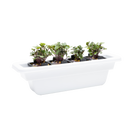
If you're just getting started, the Personal Garden is a compact countertop hydroponic system that fits on a kitchen counter and holds enough pods to keep you stocked with basil, thyme, rosemary, and more simultaneously. For a larger household or someone who wants to grow herbs, lettuces, and vegetables all at once, the The Rise Garden 3 offers a full three-tier growing system that dramatically expands your indoor growing capacity. And if aesthetics matter as much as yield in your home, The Rise Loft delivers a furniture-grade design that looks intentional in any living room or dining space.
What Can You Do With Leftover Herb Infused Oil?
One of the most satisfying parts of making this homegrown herb pasta sauce is that you'll almost certainly make more infused oil than a single pasta dinner requires — and that's a feature, not a problem.
Herb-infused olive oil stores safely in the refrigerator for up to one week when made with fresh herbs. According to the USDA Food Safety and Inspection Service, garlic-in-oil preparations must be refrigerated and used within 7 days to prevent the anaerobic conditions that can support bacterial growth. Always refrigerate — never leave fresh herb and garlic oil at room temperature.
Here's how to use every last drop:
- Bread dipping oil: Pour into a shallow dish with a pinch of flaky sea salt and cracked pepper.
- Roasted vegetable drizzle: Brush over carrots, zucchini, or cherry tomatoes before roasting at 400°F.
- Egg finish: A small spoonful over fried or scrambled eggs elevates a weekday breakfast immediately.
- Grain bowls: Use as the dressing base for farro, quinoa, or couscous bowls.
- Pizza base: Swap tomato sauce for herb oil on a white pizza with mozzarella and more fresh herbs from your garden.
A thriving indoor herb garden means you can make a fresh batch of this oil any time, so you're never precious about using it generously.
Tips for Getting the Most From Your Indoor Herb Garden
Growing herbs for cooking is a feedback loop: the more you harvest, the more the plants produce. Frequent, strategic harvesting is one of the most important habits you can build as a hydroponic gardener.
Research from the University of Vermont Extension found that regular harvesting of basil — removing up to one-third of the plant at each cutting — increased total seasonal yield by as much as 40% compared to infrequent, larger harvests. The same principle applies to most culinary herbs: cut often, cut above a node, and never let the plant bolt (go to seed) if you want continued leaf production.
A few more habits worth building:
- Stagger your plantings. Start new herb pods every 3–4 weeks so you always have plants at different growth stages. This ensures you never hit a dry spell between harvests.
- Monitor your water level daily. Hydroponic systems rely on consistent water access. A plant that sits dry even briefly can stress and slow its growth.
- Rotate heavy feeders. Basil depletes nutrients faster than thyme or chives. If you grow them in the same system, check your EC more frequently and top off with nutrients as needed.
- Keep the grow lights on a timer. Consistent 16-hour light cycles, followed by 8 hours of darkness, support healthy plant circadian rhythms and better essential oil production in aromatic herbs.
Frequently Asked Questions
Can I use dried herbs instead of fresh hydroponic herbs in this recipe?
You can, but the result will be noticeably different. Dried herbs lack the volatile aromatic compounds and water content that make fresh herb infused oils vibrant and bright. If substituting dried herbs, use about one-third the amount called for in the recipe and add them earlier in the oil infusion so they have time to rehydrate and release flavor. Fresh is always the better choice for this dish, which is exactly why growing your own herbs hydroponically is such a practical upgrade.
How long does it take to grow enough herbs to make this pasta recipe?
In a Rise Gardens hydroponic system, most culinary herbs reach harvestable size in 3–5 weeks from germination. Basil tends to be among the fastest, often ready for a first harvest in 21–28 days under proper grow light conditions. If you plant basil, thyme, and rosemary at the same time, you'll typically have everything you need for this recipe within a single month of starting your pods.
Is hydroponic herb infused olive oil pasta recipe safe to make ahead?
The pasta itself is best served fresh, but you can prepare the herb-infused oil up to 24 hours in advance and refrigerate it. When ready to serve, gently rewarm the oil over low heat before tossing with freshly cooked pasta. The USDA recommends refrigerating any fresh herb and garlic oil immediately and consuming within 7 days to ensure food safety.
What's the difference between hydroponics and soil growing for herbs?
Hydroponics is a method of growing plants in a water-based nutrient solution rather than soil. Plants grown hydroponically receive nutrients directly to their root zones in precise, bioavailable forms, which typically accelerates growth by 30–50% compared to soil growing and eliminates common soil-borne pest and disease problems. For culinary herbs specifically, the controlled environment also means more consistent flavor and year-round availability regardless of outdoor season or climate.