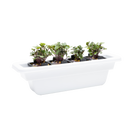
A hydroponic herb infused oil recipe is exactly what it sounds like: a culinary oil — typically olive, avocado, or a neutral oil — steeped with fresh or dried herbs grown in a soil-free, water-based hydroponic system. The result is a deeply aromatic, flavor-packed oil you can drizzle over pizza, swirl into pasta, dip bread into, or gift to someone who appreciates real, homegrown food. When those herbs come from your own indoor garden, the flavor compounds are fresher, more concentrated, and entirely traceable to your windowsill. If you've been growing basil, rosemary, thyme, or oregano under LED lights in your living room, this recipe is the most satisfying way to use your harvest.
Why Hydroponic Herbs Make Better Infused Oils
Not all herbs are created equal — and the way a plant is grown has a measurable impact on its flavor and essential oil content. Hydroponics, the method of growing plants in a nutrient-rich water solution rather than soil, consistently produces herbs with higher concentrations of the volatile aromatic compounds that make infused oils so compelling. According to research published by the University of Mississippi, hydroponically grown basil contained up to 20% more essential oil content by dry weight compared to soil-grown counterparts under the same light conditions.
The reason comes down to control. In a hydroponic system, your plants receive a precisely calibrated nutrient solution — measurable by electrical conductivity (EC), which reflects how many dissolved minerals are available — and a stable pH, ideally between 5.5 and 6.5 for most herbs. That consistency means less stress on the plant and more energy directed toward producing the terpenes and phenols that give basil its sweetness, rosemary its resinous punch, and thyme its earthy warmth.
Growing indoors also means you're harvesting year-round, independent of seasons. A compact system like the Personal Garden sits right on your countertop and lets you keep two or three herb varieties going simultaneously — so you're never waiting on a harvest window to make your next batch of homegrown herb oil.
What Herbs Work Best for Indoor Garden Infused Oil?
The short answer: almost any culinary herb you're growing. The longer answer depends on whether you want a single-note oil or a layered blend. Here's a breakdown of the most popular choices and what they bring to the bottle:
- Basil — Sweet, slightly peppery, with anise undertones. Hydroponic basil oil is a kitchen staple. Genovese and Thai basil both infuse beautifully.
- Rosemary — Piney, resinous, and intensely aromatic. Holds up well to heat, making rosemary-infused oil ideal for roasting and grilling.
- Thyme — Earthy, slightly floral, with subtle citrus notes. Pairs well with olive oil for bread dipping.
- Oregano — Bold, slightly bitter, Mediterranean in character. Excellent for pizza oils and marinades.
- Chives — Mild onion flavor; best used in cold applications like finishing oils.
- Tarragon — Anise-forward and elegant. Makes a refined finishing oil for fish and eggs.
For a beginner-friendly starting point, hydroponic basil oil is the go-to. Basil is one of the fastest-growing herbs in a hydroponic setup — you can expect harvestable leaves in as few as 3 to 4 weeks from transplanting seedlings in a system like The Rise Garden 3. That rapid turnaround means more frequent batches of fresh infused oil throughout the year.
Hydroponic Herb Infused Oil Recipe: Step-by-Step
This recipe uses the cold infusion method — the safest and most flavor-forward approach for fresh herbs. There is also a warm infusion method covered below. Both are effective; the choice depends on how quickly you want results and what you're doing with the finished oil.
Cold Infusion Method (Recommended)
Yield: approximately 1 cup of infused oil
Time: 5 minutes active, 1–2 weeks resting
Ingredients
- 1 cup extra-virgin olive oil (or avocado oil for a neutral flavor)
- 1 cup loosely packed fresh hydroponic herbs (basil, rosemary, thyme, or a blend)
- 1 clean, sterilized glass jar with a tight-fitting lid
- Fine mesh strainer or cheesecloth
Instructions
- Harvest your herbs. Cut stems just above a leaf node to encourage regrowth. For basil, pinch off the top 3–4 inches. Rinse lightly and pat completely dry — water in the oil can promote bacterial growth, including Clostridium botulinum, so dryness matters.
- Bruise or roughly chop the herbs. This ruptures the cell walls and releases volatile oils into the carrier oil faster. A quick rough chop with a knife is sufficient.
- Combine herbs and oil in the jar. Make sure all herb material is submerged. Use a clean utensil to press herbs down if needed.
- Seal and store. Keep the jar in a cool, dark location — a pantry or cupboard away from heat. Do not store at room temperature for longer than 1–2 weeks.
- Strain and bottle. After 1–2 weeks, strain out all plant material using a fine mesh strainer or cheesecloth. Transfer to a clean glass bottle.
- Refrigerate. Store finished oil in the refrigerator and use within 2–4 weeks. The USDA advises that garlic- or herb-infused oils made at home should always be refrigerated and used within that window to prevent foodborne illness risk.
Warm Infusion Method (Faster)
If you want infused oil ready same-day, the warm method works well for dried herbs or herbs that have been thoroughly dried after harvesting.
- Combine oil and dried herbs in a small saucepan.
- Heat over the lowest possible setting — you're aiming for 130–150°F (54–65°C), not a simmer. Use a thermometer.
- Hold at temperature for 20–30 minutes, stirring occasionally.
- Remove from heat, cool completely, then strain and bottle.
- Refrigerate and use within 2–4 weeks.
Note: The warm method is best reserved for dried herbs when using fresh hydroponic herbs, since residual moisture in fresh leaves increases the risk of spoilage when heat is applied inconsistently. Always dry fresh herbs thoroughly if you choose this route.
Flavor Combinations to Try
- Classic Italian: Basil + oregano + a strip of lemon zest
- Mediterranean Rosemary: Rosemary + thyme + black pepper
- Bright Garden: Basil + tarragon + chives
- Spiced Herb: Thyme + chili flakes + garlic (dried only)
How Do You Grow Enough Herbs to Make Infused Oil Regularly?
This is where having a dedicated indoor hydroponic garden pays off. A single basil plant in a hydroponic system can yield up to 5 times more biomass than the same plant grown in a comparably sized container of soil, according to comparative growing data from controlled environment agriculture studies. That kind of output means you're not rationing leaves — you're harvesting generously and still watching the plant bounce back within days.
For regular infused oil production, a multi-pod setup is ideal. The The Rise Loft offers a furniture-grade design with enough growing capacity to keep four or five herb varieties growing at once — which means you can rotate harvests and always have something ready to infuse. Dedicate a few pods to basil for hydroponic basil oil, a couple to rosemary and thyme for blends, and you'll have a continuous supply of infusion-ready herbs without ever running short.
Starting from scratch? Rise Gardens seed pods are pre-seeded and ready to drop into any Rise system, making the setup process as simple as possible. Most herb pods are ready to begin harvesting within 3–5 weeks.
Food Safety: What You Need to Know Before Infusing
Homemrown herb oil is a joy to make, but there are legitimate food safety considerations that deserve clear explanation. The primary concern with fresh herb-infused oils is Clostridium botulinum, the anaerobic bacterium responsible for botulism. This organism thrives in low-oxygen, low-acid environments — which describes the inside of an oil-submerged herb preparation perfectly if left at room temperature.
The USDA's National Center for Home Food Preservation states that herb-infused oils prepared at home should never be stored at room temperature and should be kept refrigerated at all times, used within 1–2 weeks, or frozen for longer storage. Commercial producers use acidification or other validated kill steps to make shelf-stable products. For home cooks, refrigeration and prompt use are the safest and most practical controls.
A few practical rules:
- Always dry fresh herbs completely before infusing.
- Use clean, sterilized jars and utensils.
- Label your jars with the date of preparation.
- Discard any oil that smells off, appears cloudy in an unusual way, or has been stored at room temperature for more than a few hours.
- Never store homemade herb oils with fresh garlic at room temperature — this is a documented high-risk combination.
How Do You Use Hydroponic Herb Infused Oil in the Kitchen?
Once you have a beautiful bottle of indoor garden infused oil, the uses are almost unlimited. Here are some of the most effective ways to put it to work:
- Bread dipping: Pour into a shallow bowl with a pinch of flaky sea salt and cracked pepper. Serve with crusty bread.
- Finishing pizzas and flatbreads: Drizzle hydroponic basil oil over a freshly baked pizza right before serving. The heat wakes up the aroma.
- Pasta: Toss cooked pasta directly in herb oil before adding other sauces, or use it as the sauce itself with Parmesan and pasta water.
- Salad dressings: Use as the oil component in a vinaigrette — it adds flavor without any additional seasoning.
- Egg dishes: A few drops of rosemary or tarragon oil over scrambled eggs or a frittata elevates the dish significantly.
- Grilling and roasting: Brush herb oil onto vegetables, fish, or chicken before cooking.
- Gifting: Decanted into a nice glass bottle with a handwritten label, homegrown herb oil makes a genuinely impressive and personal gift.
The difference between a homegrown herb oil and one made with store-bought herbs is noticeable. Hydroponically grown herbs harvested at peak freshness carry volatile aromatic compounds that begin degrading the moment the plant is cut and packaged for retail. When you harvest from your own system and infuse within hours, you're capturing the herb at its peak. That's a flavor advantage that no amount of sourcing at the grocery store can replicate.
Frequently Asked Questions
How long does hydroponic herb infused oil last?
Homemade herb-infused oil stored in the refrigerator will stay fresh for approximately 2–4 weeks. For longer storage, strain the oil completely, remove all plant material, and freeze it in small portions — ice cube trays work well for this. The USDA recommends never storing fresh herb oils at room temperature due to the risk of botulism.
Can I use any hydroponic herb to make infused oil?
Most culinary herbs grown hydroponically work beautifully, including basil, rosemary, thyme, oregano, tarragon, and chives. Herbs with high moisture content, like basil, benefit from being thoroughly dried before use in warm infusion methods. For cold infusions, fresh herbs can be used directly as long as surface moisture is patted dry before submerging in oil.
What is the best oil to use for herb infusions?
Extra-virgin olive oil is the most traditional and flavorful carrier for herb infusions, and its own flavor profile complements most Mediterranean herbs well. For a more neutral base that lets the herb flavors take center stage — especially for delicate herbs like tarragon or chives — avocado oil or a light grapeseed oil are excellent alternatives. Avoid oils with strong competing flavors, like unrefined coconut oil, unless you want that flavor in the final product.
Do hydroponic herbs taste different from soil-grown herbs?
Research suggests that hydroponically grown herbs can have higher concentrations of the essential oils responsible for flavor and aroma compared to soil-grown equivalents, particularly when grown under optimized lighting and with precisely managed nutrient solutions. Many chefs and home cooks report that hydroponic basil, in particular, has a more intense, sweeter flavor — which is why hydroponic basil oil made from homegrown herbs tends to outperform versions made with supermarket basil.