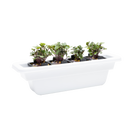
A hydroponic herb infused soup broth recipe is exactly what it sounds like: a deeply flavorful, aromatic liquid base for soups, stews, risottos, and sauces made by steeping or simmering fresh herbs grown in a hydroponic indoor garden system. Unlike dried herbs from a grocery store shelf, hydroponically grown herbs are harvested at peak freshness, delivering essential oils and volatile aromatic compounds that translate directly into more complex, vivid flavor in your broth. If you have a countertop garden humming on your kitchen counter or a full-size unit in your living room, you already have everything you need to make one of the most satisfying homemade vegetable broth recipes you will ever taste.
Why Hydroponically Grown Herbs Make a Better Broth
The science behind hydroponic growing helps explain why your indoor-garden herbs punch so far above their weight in the kitchen. Hydroponic plants grow in a precisely controlled nutrient solution — a water-based mix of dissolved minerals including nitrogen, phosphorus, potassium, calcium, and trace elements — rather than soil. Because the roots have direct, uninterrupted access to everything they need, plants typically grow 30–50% faster than their soil-grown counterparts and can yield up to 25% more biomass per square foot, according to data cited by the University of Arizona's Controlled Environment Agriculture Center.
That accelerated growth cycle means herbs reach the kitchen while their essential oil content is at its highest. The terpenes, phenols, and flavonoids packed inside basil leaves, thyme stems, and rosemary needles are the same compounds that make your broth smell incredible and taste layered. When you drop a handful of freshly snipped hydroponic basil into a simmering pot, you are adding flavor chemistry that dried herbs simply cannot replicate — most dried herbs lose between 40% and 60% of their volatile aromatic compounds during the drying and storage process.
Growing your own herbs also gives you complete control over what goes into your food. There are no pesticide residues to worry about, no mystery-date produce bags, and no wilt by the time you reach the stove. Your Personal Garden — Rise Gardens' compact countertop hydroponic system — can keep a continuous rotation of culinary herbs within arm's reach of your cutting board year-round.
What Herbs Work Best in a Hydroponic Herb Stock Recipe?
Not every herb behaves the same way in a simmering broth, and knowing which ones to use — and when to add them — is what separates a flat, one-dimensional stock from a truly restaurant-worthy base. Here is a practical breakdown:
- Thyme: Hardy and resinous, thyme holds up beautifully to long, slow simmering. Add it early. Its earthy, slightly floral notes form the backbone of almost any savory broth.
- Rosemary: Intensely aromatic and piney. Use it sparingly — one or two sprigs are enough for a full pot. Add it in the last 20–30 minutes to avoid bitterness.
- Flat-leaf parsley: Both stems and leaves are gold in a stock pot. Parsley stems, in particular, contain concentrated flavor. Add them at the start; save the leaves for finishing.
- Basil: Delicate and sweet, basil does best added off heat or in the final five minutes. It makes a stunning addition to a tomato-based broth or a light vegetable consommé.
- Chives: Mild and oniony, chives are better as a garnish than a simmered ingredient. Snip them fresh over the finished bowl.
- Oregano: Bold and slightly peppery. A small amount added mid-cook adds depth without overwhelming.
- Bay leaf: A classic broth essential. Two leaves in a full pot of stock add a subtle eucalyptus and clove-like undertone that rounds everything out.
You can grow all of these varieties using Rise Gardens seed pods, which are pre-seeded, ready-to-plant pods designed specifically for hydroponic systems. Keeping a mix of hardy and delicate herbs growing simultaneously gives you the flexibility to build any broth profile you want on any given evening.
Hydroponic Herb Infused Soup Broth Recipe: Step-by-Step
This indoor garden herb broth is a versatile, vegetable-forward stock that works as a standalone soup, a cooking liquid for grains, or the base for a more elaborate stew. The recipe makes approximately 8 cups (2 quarts) of finished broth.
Ingredients
- 2 tablespoons olive oil
- 1 large yellow onion, roughly chopped
- 4 garlic cloves, smashed
- 3 medium carrots, roughly chopped
- 3 celery stalks, roughly chopped
- 1 cup cremini mushrooms, halved (optional, adds deep umami)
- 10 cups cold filtered water
- 1 teaspoon whole black peppercorns
- 1 teaspoon sea salt (adjust to taste)
- 2 bay leaves
- Fresh herbs from your indoor garden:
- 6–8 sprigs fresh thyme
- 4–5 stems flat-leaf parsley with leaves
- 2 sprigs rosemary
- 4–5 sprigs fresh oregano
- Small handful of fresh basil (added off heat)
Instructions
- Sauté the aromatics. Heat olive oil in a large stockpot over medium-high heat. Add onion and garlic and cook for 5–7 minutes, stirring occasionally, until the onion is soft and lightly golden. This step builds a caramelized base layer of flavor that makes the finished broth noticeably richer.
- Add the vegetables. Stir in the carrots, celery, and mushrooms (if using). Cook for another 5 minutes, letting the vegetables start to soften and release their moisture.
- Add water and hardy herbs. Pour in the cold filtered water. Add the bay leaves, peppercorns, salt, thyme, parsley stems, and oregano. Bring the pot to a gentle boil over high heat.
- Simmer low and slow. Reduce heat to a steady low simmer (you want small, lazy bubbles — not a rolling boil, which clouds the broth and can make it bitter). Simmer uncovered for 45 minutes to 1 hour.
- Add rosemary late. In the final 20 minutes of cooking, add the rosemary sprigs. This prevents the piney compounds from becoming overpowering.
- Finish with basil. Turn off the heat and add the fresh basil. Let it steep in the hot broth for 5 minutes. The residual heat extracts the delicate aromatics without destroying them.
- Strain and season. Pour the broth through a fine-mesh strainer into a large bowl or second pot, pressing gently on the solids to extract all the liquid. Discard the solids. Taste and adjust salt. Your homemade vegetable broth with fresh herbs is ready.
Storage
Refrigerate in an airtight container for up to 5 days. Freeze in 1-cup or 2-cup portions for up to 3 months. Ice cube trays work wonderfully for freezing small amounts you can drop directly into sauces or pasta water.
How Does a Hydroponic Indoor Garden Fit Into an Everyday Cooking Routine?
One of the most practical benefits of an indoor hydroponic garden is that it eliminates the gap between wanting to cook something and having the ingredients on hand. The average American household throws away approximately $1,500 worth of food per year, according to the USDA Economic Research Service — and fresh herbs are among the most-wasted items in the produce drawer, often used once and forgotten.
A hydroponic system changes that math entirely. Instead of buying a full bunch of parsley for a tablespoon's worth of garnish, you snip only what you need, and the plant keeps growing. Hydroponic herbs in a properly maintained system can be harvested repeatedly over weeks or even months. The key is the cut-and-come-again method: trim no more than one-third of the plant at a time, cutting just above a leaf node, and the plant will branch out and produce even more foliage.
The NASA Veggie project — NASA's ongoing research into growing food in microgravity environments aboard the International Space Station — has demonstrated that hydroponically grown leafy greens and herbs are nutritionally comparable to conventionally grown produce, a finding that speaks directly to the quality of what you are putting into your broth.
For households with more counter space and cooking ambition, the The Rise Garden 3 offers a full-size, multi-tiered hydroponic system capable of sustaining dozens of plants simultaneously — more than enough to keep a broth-worthy selection of herbs in constant rotation alongside salad greens, edible flowers, and vegetables.
Flavor Variations for Your Indoor Garden Herb Broth
Once you have the foundational hydroponic herb stock recipe down, it becomes a template you can riff on endlessly based on whatever is ready to harvest from your garden.
- Asian-inspired broth: Swap rosemary and oregano for fresh cilantro roots and stems, lemongrass (if your system supports it), and a few thin slices of fresh ginger. Add a splash of tamari at the end for a savory, umami-forward base.
- French-style herb broth (bouquet garni): Bundle thyme, bay, parsley, and a leek top together with kitchen twine and simmer in white wine and water for an elegant, delicate stock perfect for poaching fish or making a light bisque.
- Spiced warming broth: Add a cinnamon stick, a few cardamom pods, and fresh mint from your garden alongside the standard aromatics. This variation makes a deeply comforting cold-weather drink on its own.
- Garlic-forward broth: Double the garlic and add a generous handful of fresh chives at the end for a pungent, invigorating stock ideal for ramen or noodle soup bases.
The The Rise Loft — Rise Gardens' premium indoor garden with furniture-grade cabinetry and integrated lighting — is designed to grow a wide variety of herbs and greens at scale, making this kind of culinary variety completely achievable at home without dedicating a room to growing.
Whichever direction you take your broth, keeping your plants fed with the right nutrients is essential for maximizing both growth rate and flavor intensity. Rise Gardens' hydroponic nutrient solutions are formulated specifically for the pH range (typically 5.5–6.5) and electrical conductivity (EC) levels that culinary herbs thrive in — EC is a measurement of how concentrated the mineral solution is, and getting it right directly affects plant health and flavor output.
Tips for Getting the Most Flavor Out of Every Harvest
A few practical techniques will consistently elevate your indoor garden herb broth from good to genuinely exceptional:
- Harvest in the morning. Essential oil concentration in herbs peaks in the morning hours before the heat of grow lights fully activates. This is when basil smells most intensely of cloves and thyme is most resinous.
- Use the whole plant. Stems, roots (especially parsley and cilantro roots), and even slightly larger leaves that are past their prime for a salad are perfect for the stock pot. Nothing from your garden goes to waste.
- Don't over-boil. A broth that simmers too aggressively becomes murky and can develop bitter off-notes as delicate aromatic compounds break down. Low and slow is the rule.
- Layer your herb additions. Hardy herbs early, semi-delicate herbs mid-cook, and fragile herbs at the very end or off heat. This phased approach preserves each herb's distinct character in the final liquid.
- Season at the end. Salt concentrates as water evaporates, so always taste and adjust seasoning after straining, not before.
Frequently Asked Questions
Can I use hydroponic herbs the same way as store-bought herbs in a broth recipe?
Yes, and in most cases your broth will taste noticeably better. Hydroponically grown herbs are harvested at peak freshness with no transportation time between farm and kitchen, which means their essential oil content is significantly higher than produce that has spent days in transit and cold storage. Use the same quantities called for in any standard broth or stock recipe.
How long does homemade vegetable broth with fresh herbs last?
Properly stored in an airtight container in the refrigerator, your homemade herb broth will stay fresh for up to 5 days. For longer storage, freeze it in portioned containers or ice cube trays for up to 3 months. Freezing in 1-cup increments makes it easy to grab exactly what you need for a recipe without thawing a full batch.
Which hydroponic herbs are the easiest to grow for beginners making this broth?
Thyme, parsley, basil, and chives are among the most forgiving hydroponic herbs for new growers and also happen to be four of the most useful ingredients in any broth. They germinate quickly, tolerate minor fluctuations in nutrient levels, and can be harvested within 3–4 weeks of planting with a Rise Gardens system.
Does the pH of a hydroponic system affect the flavor of herbs used in cooking?
Indirectly, yes. When the pH of a hydroponic nutrient solution falls outside the optimal range of 5.5–6.5, plants lose the ability to absorb certain minerals even if those minerals are present in the solution — a phenomenon called nutrient lockout. Nutrient-deficient herbs grow more slowly, produce less foliage, and can have muted flavor profiles. Maintaining the correct pH ensures your herbs develop the full essential oil content that makes your broth so aromatic and flavorful.