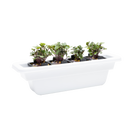
A hydroponic herb infused whipped ricotta crostini recipe is exactly what it sounds like: a simple yet elegant appetizer built on a base of creamy whipped ricotta piled onto toasted baguette slices, elevated entirely by the depth and brightness of herbs you grew yourself in an indoor hydroponic garden. Hydroponics is a soil-free growing method where plants get their nutrients directly through water, typically producing herbs that are more flavorful, more aromatic, and ready to harvest in a fraction of the time compared to outdoor soil gardening. This recipe is a celebration of what homegrown ingredients can do for even the most straightforward dish — and it proves that your indoor garden is one of the most powerful tools you have in your kitchen.
Why Hydroponically Grown Herbs Make the Best Fresh Herb Crostini Topping
The flavor difference is real, and it comes down to how hydroponic plants grow. In a well-maintained hydroponic system, herbs receive a precisely calibrated mix of macronutrients and micronutrients dissolved in water — think nitrogen for leafy growth, phosphorus for root development, and potassium for overall plant vitality. Because those nutrients are delivered directly to the root zone, the plant doesn't spend energy searching for food through soil. That energy goes straight into producing aromatic compounds, essential oils, and the bold flavors that make a fresh herb crostini topping sing.
According to research from the University of Mississippi's National Center for Natural Products Research, the concentration of volatile aromatic compounds — the molecules responsible for herb fragrance and flavor — can be significantly higher in controlled-environment agriculture compared to field-grown counterparts. When you snip a sprig of basil from your indoor garden minutes before plating, you're working with herbs at their absolute peak. No transit time, no refrigeration, no wilting. That's the homegrown herb appetizer recipe advantage that no grocery store can replicate.
Herbs like basil, chives, thyme, and flat-leaf parsley all thrive in hydroponic systems and are the stars of this recipe. If you're growing with a Personal Garden on your countertop, you likely already have two or three of these varieties within arm's reach of your prep space. That proximity — from grow pod to cutting board — is what transforms a good appetizer into a genuinely memorable one.
What You Need: Ingredients and Equipment
For the whipped ricotta:
- 2 cups whole-milk ricotta cheese (drained overnight if possible)
- 3 tablespoons good-quality extra virgin olive oil, plus more for drizzling
- 1 small garlic clove, finely grated
- Zest of 1 lemon
- 1 teaspoon fresh lemon juice
- Salt and freshly cracked black pepper to taste
For the crostini:
- 1 French baguette, sliced on the bias into ½-inch rounds (approximately 24–28 slices)
- 3 tablespoons olive oil for brushing
- Flaky sea salt
Fresh herb crostini topping — harvested from your indoor garden:
- ¼ cup fresh basil leaves, torn or chiffonaded
- 2 tablespoons fresh chives, thinly sliced
- 1 tablespoon fresh thyme leaves
- 1 tablespoon fresh flat-leaf parsley, roughly chopped
- Optional: micro basil, pea shoots, or edible flowers from your garden for garnish
Optional finishing touches:
- Honey for drizzling
- Crushed red pepper flakes
- Roasted cherry tomatoes or heirloom tomato slices
- Toasted pine nuts
Equipment: Stand mixer or hand mixer (a food processor also works), baking sheet, parchment paper, zester, and a sharp pair of herb scissors or a good knife.
Step-by-Step Instructions for This Indoor Garden Entertaining Recipe
This is a genuinely approachable indoor garden entertaining recipe — the kind you can prep mostly in advance and assemble at the last minute so you're not stuck in the kitchen while your guests arrive.
Step 1: Drain and whip the ricotta. For the creamiest results, place your ricotta in a fine mesh strainer lined with cheesecloth and let it drain in the refrigerator for at least 4 hours, or overnight. When you're ready to whip, add the drained ricotta, olive oil, grated garlic, lemon zest, and lemon juice to a stand mixer fitted with the whisk attachment. Whip on medium-high for 3–4 minutes until the mixture becomes light, airy, and spreadable. Season generously with salt and black pepper. Taste and adjust. The ricotta should be savory with a bright citrus note that will complement the fresh herbs beautifully. Refrigerate until ready to use — it holds well for up to 2 days.
Step 2: Make the crostini. Preheat your oven to 375°F. Arrange baguette slices in a single layer on a parchment-lined baking sheet. Brush each slice lightly with olive oil and sprinkle with a pinch of flaky sea salt. Bake for 10–12 minutes, flipping halfway through, until golden and crisp. Let them cool completely before topping — this prevents sogginess. Crostini can be made up to 24 hours ahead and stored in an airtight container at room temperature.
Step 3: Harvest your herbs. About 20–30 minutes before serving, head to your garden and harvest your herbs. For hydroponic basil, snip just above a leaf node to encourage continued growth. For chives, cut from the base leaving at least 2 inches so they regrow. Rinse lightly, pat dry, and chop or tear as needed. The shorter the time between harvest and plating, the more vibrant the flavor and color.
Step 4: Assemble. Spread a generous tablespoon of whipped ricotta onto each crostini. Layer on your mixed fresh herbs — don't be shy. Finish with a light drizzle of olive oil or honey, a pinch of red pepper flakes if desired, and a small finishing sprinkle of flaky sea salt. Arrange on a serving platter and serve within 15–20 minutes for the best texture.
How Do You Grow the Best Herbs for This Homegrown Herb Appetizer Recipe?
Growing the herbs for this recipe at home is simpler than most people expect, especially in a hydroponic system designed for indoor use. The key variables to manage are light, water pH, and nutrient concentration — and modern indoor gardens do most of that work automatically.
pH is a measure of how acidic or alkaline your water solution is, on a scale of 0–14. Most culinary herbs prefer a pH range of 5.5 to 6.5 in hydroponic systems. Outside that range, plants struggle to absorb nutrients even if those nutrients are present in the water. Rise Gardens systems are designed to make this easy — the nutrient formulas are calibrated to support a healthy pH range right out of the box. You can find the full lineup of nutrients in the Rise Gardens shop to dial in the right formula for leafy herbs.
EC, or electrical conductivity, measures the concentration of dissolved nutrients in your water. For herbs, a target EC of 1.6–2.2 mS/cm is generally ideal — enough nutrients to drive robust, flavorful growth without burning the roots. Most beginners don't need to worry about measuring EC if they're following the recommended nutrient dosing on their system.
For light, herbs need a minimum of 14–16 hours of full-spectrum LED light per day in an indoor environment. The integrated grow lights in Rise Gardens systems are engineered specifically for this spectrum, which means you're giving your basil, thyme, and chives exactly the photosynthetic input they need to grow dense, flavorful leaves. NASA's Veggie project, which has been researching plant growth in controlled environments since 2014, confirmed that full-spectrum LED lighting is one of the most critical factors in producing nutritionally dense, flavorful crops in soil-free environments.
If you're growing for entertaining purposes and want a dedicated, higher-volume herb supply, the The Rise Garden 3 gives you a full three-tier system with space for dozens of plants simultaneously — more than enough to keep this recipe in rotation every week. For herb-focused growing in a tighter footprint, the The Rise Loft offers furniture-grade design that fits seamlessly into a dining or living space, so your garden is literally part of the entertaining environment.
Starting from scratch? Pick up a set of herb seed pods — basil, chives, thyme, and parsley are all available and typically ready for first harvest in 3–5 weeks from germination under ideal conditions.
Flavor Variations to Keep This Recipe Fresh All Year
One of the real pleasures of growing your own herbs is the ability to experiment seasonally or based on what's thriving in your garden at any given time. Here are a few variations that work beautifully with the whipped ricotta base:
Summer Garden Version: Swap basil for fresh mint and add thin-sliced heirloom tomatoes on top of the ricotta before the herbs. A drizzle of aged balsamic finishes it perfectly.
Earthy Autumn Version: Use rosemary and sage as your primary herbs, add a layer of caramelized onions under the ricotta, and top with toasted walnuts and a drizzle of truffle oil.
Bright Spring Version: Use chives, pea shoots, and micro basil — all of which you can grow easily from seed pods — with a squeeze of lemon over the top and a few thin radish slices for crunch and color.
Spicy Version: Add finely chopped fresh Thai basil and a small amount of minced serrano pepper (if you're growing peppers in your garden) alongside the standard herb mix, and finish with a drizzle of hot honey.
A 2022 survey by the National Gardening Association found that 77% of households that grew food at home cited cooking and eating fresh produce as their primary motivation — and recipes like this one are exactly why. When you can walk to your garden, clip what you need, and have it on a platter in under an hour, cooking becomes more intuitive and more enjoyable.
Make-Ahead Tips and Serving Suggestions for Entertaining
This is one of those indoor garden entertaining recipes that actually rewards advance planning. The whipped ricotta improves slightly after a few hours in the fridge as the garlic and lemon flavors meld. The crostini hold well for a full day. That means your day-of effort is essentially just harvesting the herbs and assembling — which takes about 15 minutes.
For a party spread, plan on 3–4 crostini per guest as an appetizer portion. A single baguette typically yields 24–28 slices, which serves 6–8 people comfortably. Double the ricotta recipe and prepare two baguettes for groups of 12 or more.
Presentation matters. Use a large wooden board or marble slab and arrange the crostini in a slightly overlapping line or fan shape. Place small bowls of optional toppings — honey, red pepper flakes, toasted pine nuts — alongside so guests can customize. A few extra whole herb sprigs tucked around the board add visual appeal and reinforce the homegrown story you're telling with the dish.
According to a 2021 report from the Specialty Food Association, appetizers and small plates featuring fresh herbs have seen a 34% increase in menu appearances at upscale restaurants over the past five years — a trend driven by consumer demand for vibrant, ingredient-forward food. Bringing that sensibility home is exactly what a well-stocked indoor garden makes possible.
Frequently Asked Questions
Can I use dried herbs instead of fresh herbs for the whipped ricotta crostini?
You can use dried herbs in a pinch, but the results will be noticeably less vibrant. Fresh herbs contain volatile aromatic oils that evaporate when dried, which means dried versions deliver less brightness and complexity on the palate. If you must substitute, use roughly one-third the quantity of dried herb compared to fresh — but growing your own fresh herbs with a hydroponic system eliminates the need for this compromise entirely.
Which herbs grow fastest in a hydroponic system for cooking?
Chives and basil are typically the fastest-growing culinary herbs in a hydroponic setup, often reaching harvestable size within 3–4 weeks from germination under proper lighting conditions. Parsley takes slightly longer at 4–6 weeks, while rosemary and thyme grow more slowly but are extremely low-maintenance once established. Starting with a mix of fast and slow growers ensures you always have something ready to harvest.
How do I store whipped ricotta if I make it ahead of time?
Store whipped ricotta in an airtight container in the refrigerator for up to 2 days. Press a piece of plastic wrap directly onto the surface of the ricotta before sealing the container to minimize oxidation and preserve the bright white color. Give it a quick stir before serving — it may release a small amount of liquid as it sits, which is normal and easily incorporated back in.
What is the best hydroponic system for growing kitchen herbs at home?
The best system depends on your space and how much you want to grow. For a compact countertop setup ideal for a few herb varieties at a time, the Personal Garden is an excellent starting point. For home cooks who entertain regularly and want a larger continuous supply of multiple herb varieties, the The Rise Garden 3 offers three full growing tiers and the capacity to grow dozens of plants simultaneously. Both systems use the same nutrient delivery approach and are designed for ease of use without requiring any prior gardening experience.