A fresh herb infused olive oil recipe is exactly what it sounds like — a simple process of steeping fresh or dried herbs in high-quality olive oil to extract their aromatic compounds, flavors, and natural oils into a pourable, versatile condiment. The result is a deeply flavorful oil you can drizzle over pasta, dip bread into, finish a pizza, or use as a marinade. And when those herbs come straight from your own indoor hydroponic garden? The flavor difference is genuinely noticeable. Hydroponically grown herbs contain the same — and in many cases higher — concentrations of essential oils compared to store-bought counterparts, which means your infused oils start with a stronger, fresher base.
Why Homegrown Herbs Make the Best Infused Oils
There's a practical reason chefs and home cooks alike prioritize freshness when making infused oils: volatile aromatic compounds begin degrading the moment a plant is harvested. By the time a bundle of rosemary travels from a commercial farm to a distribution center to a grocery store shelf and finally into your kitchen, a meaningful amount of its flavor potential has already diminished.
When you grow herbs indoors with a hydroponic system, harvest-to-kitchen time can be measured in minutes. Hydroponic gardening — a soil-free method of growing plants in a nutrient-rich water solution — allows you to maintain year-round herb production regardless of the season or your climate. According to the USDA Agricultural Research Service, hydroponically grown herbs frequently demonstrate accelerated growth rates and can produce yields up to 30% higher per square foot compared to traditional soil growing methods.
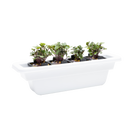
If you're just getting started, a compact countertop setup like the Personal Garden gives you enough growing capacity to keep basil, rosemary, thyme, and oregano all going at once — exactly the variety you need for a well-stocked infused oil pantry. For households that use herbs more heavily, The Rise Garden 3 offers a full-size indoor hydroponic garden system with multiple growing levels, so you're never waiting on a harvest.
A homegrown herb oil DIY project isn't just about saving money or impressing guests — it's about having complete control over what goes into your food, from seed to bottle.
How to Make a Fresh Herb Infused Olive Oil Recipe at Home
Making infused olive oil is a straightforward process, but there are a few critical food safety steps you need to follow. The U.S. Food and Drug Administration has documented cases of Clostridium botulinum growth in garlic-in-oil mixtures stored at room temperature. This risk is eliminated by either using a heat infusion method, keeping the oil refrigerated, or using dried herbs rather than fresh when making shelf-stable versions. Here's a complete method that keeps things both delicious and safe.
What You'll Need
- 2 cups high-quality extra virgin olive oil
- 4–6 sprigs of fresh rosemary (or 2 tablespoons dried)
- 4–6 cloves of garlic, peeled and lightly crushed
- A handful of fresh basil leaves (about 1/2 cup loosely packed)
- Optional additions: fresh thyme, oregano, red pepper flakes, lemon zest
- A small saucepan
- A fine mesh strainer or cheesecloth
- A clean, sterilized glass bottle or jar with a tight-fitting lid
Step-by-Step Instructions
- Wash and dry your herbs thoroughly. Any residual moisture on fresh herbs introduces water into your oil, which accelerates spoilage and creates conditions for bacterial growth. Pat herbs dry with a paper towel and allow them to air-dry for 15–20 minutes after washing.
- Warm the olive oil gently. Add olive oil, rosemary sprigs, and crushed garlic to your saucepan. Heat over low heat until the oil reaches approximately 180°F (82°C) — use a cooking thermometer. Maintain this temperature for 5 minutes. This rosemary garlic infused oil base provides the flavor foundation for your blend. Do not let the oil smoke or boil.
- Add basil off heat. Remove the pan from the burner and add fresh basil leaves to the warm oil. Basil's delicate compounds extract quickly and can turn bitter with extended heat. Let the mixture steep as the oil cools to room temperature, approximately 30–45 minutes.
- Strain and bottle. Pour the cooled oil through a fine mesh strainer or cheesecloth into your sterilized glass bottle, removing all herb and garlic solids.
- Store properly. Refrigerate immediately and use within 2 weeks for fresh herb versions. The oil may become cloudy when cold — this is normal and reverses at room temperature.
What Are the Best Herbs to Grow for Infused Oils?
Not all herbs translate equally into infused oils. The best candidates have high concentrations of fat-soluble aromatic compounds — the same compounds that dissolve readily into olive oil and stay stable during the infusion process.
Rosemary is the classic choice for infused oils for good reason. It contains rosmarinic acid and carnosic acid, both of which are antioxidants with documented stability in olive oil. A rosemary garlic infused oil is arguably the most versatile pantry staple you can make at home — useful for roasting vegetables, finishing grilled meats, and dipping artisan bread.
Basil produces oils with a sweet, peppery, slightly floral profile. Basil infused olive oil uses range from drizzling over fresh mozzarella and tomato salads to whisking into vinaigrettes and stirring into pasta just before serving. Because basil is sensitive to heat and oxidation, the off-heat steeping method described above is ideal.
Thyme and oregano are both excellent for savory cooking applications — pizza, roasted chicken, grain bowls. They're also among the most vigorous growers in a hydroponic setup, frequently ready for harvest in as little as 3–4 weeks from transplant.
Chive and tarragon work well in lighter oils intended for fish, eggs, or French-inspired dishes. Tarragon in particular has a subtle anise flavor that becomes beautifully rounded in olive oil.
If you want to grow a full selection of infusion-ready herbs year-round, stocking up on quality seed pods designed specifically for indoor hydroponic systems ensures healthy germination rates and consistent harvests. Rise Gardens seed pods are pre-seeded and designed to work seamlessly within the system, reducing the guesswork out of getting your herbs established.
Basil Infused Olive Oil Uses: How to Get the Most Out of Every Bottle
Basil infused olive oil is one of the most broadly useful infused oils you can keep on hand, and once you start making it regularly, you'll find yourself reaching for it constantly. Here are the best applications:
- Caprese salad finishing oil: Drizzle directly over sliced tomatoes and fresh mozzarella just before serving. The fat in the oil amplifies the tomato's natural sweetness.
- Pasta sauce enhancement: Stir a tablespoon into any tomato-based pasta sauce right before plating. It rounds out acidity and adds aromatic depth.
- Pizza base: Brush onto pizza dough before adding toppings, or drizzle over a finished pizza as it comes out of the oven.
- Egg dishes: A small amount in a pan before scrambling eggs or frying creates an incredibly fragrant result with almost no extra effort.
- Grain bowls and roasted vegetables: Use as a dressing base for farro, quinoa, or roasted cauliflower — mix with a squeeze of lemon and a pinch of flaky salt.
- Bread dipping: Combine with a splash of balsamic vinegar and a sprinkle of flaky salt for an elevated bread dip that works for any dinner gathering.
A 2021 analysis published in the journal Food Chemistry found that basil essential oil retains measurable levels of linalool and eugenol — two key aromatic compounds — when infused into olive oil at temperatures below 200°F, confirming that the gentle heat method preserves the herb's most desirable flavor characteristics.
How Does Growing Herbs Hydroponically Improve Your Infused Oils?
Hydroponics refers to growing plants without soil, delivering water, oxygen, and dissolved nutrients directly to a plant's root zone. Because the roots have immediate access to everything they need, plants grown hydroponically typically grow 25–50% faster than soil-grown counterparts, according to research from the University of Arizona's Controlled Environment Agriculture Center. That speed translates directly into more frequent harvests and more herb available for your infused oil projects.
There's also a consistency advantage. In soil gardening, herb flavor can vary significantly based on soil composition, drainage, weather, and seasonal shifts. Indoor hydroponic systems allow you to control the variables — light spectrum, nutrient delivery schedule, water pH — that most directly influence a plant's flavor profile and aromatic compound production. Maintaining the correct nutrient balance is a key part of this; properly calibrated nutrients ensure your herbs receive the precise macro and micronutrients they need to produce flavorful, aromatic leaves throughout their grow cycle.
For gardeners who want an elevated setup without sacrificing aesthetics, The Rise Loft is a premium indoor garden with furniture-grade design — built to look at home in a kitchen or dining space while still delivering serious growing performance. It's the kind of setup that keeps your herb supply visible, accessible, and always within arm's reach of your next cooking project.
The NASA Veggie project, which has studied plant growth aboard the International Space Station, demonstrated that controlled-environment hydroponics can reliably produce fresh, nutritionally dense plants independent of external climate — further validating the effectiveness of indoor growing systems for consistent herb production.
Food Safety Tips for Homegrown Herb Oil DIY Projects
Food safety is the one area where homegrown herb oil DIY projects require real attention. Infused oils can support the growth of Clostridium botulinum — the bacteria that produces botulism toxin — under specific conditions: anaerobic (oxygen-free) environment, neutral pH, and temperatures above 38°F. An olive oil infusion creates exactly this kind of environment around any fresh plant matter submerged in it.
Follow these rules every time:
- Always refrigerate fresh-herb infused oils and use them within 1–2 weeks maximum.
- Never store garlic-in-oil at room temperature unless you've acidified the garlic first (soaking crushed garlic in a 3% citric acid solution for 24 hours before infusing).
- Use completely dry herbs. Even a small amount of water creates microenvironments where bacteria can thrive.
- Use sterilized glass containers. Wash bottles in hot soapy water, rinse well, and allow to fully air-dry before filling.
- When in doubt, freeze it. Infused oils freeze well in ice cube trays and keep for up to 3 months in the freezer — a great option for preserving a large rosemary harvest.
Following these steps means you get all the reward of a gorgeous, flavorful homemade product without any of the risk.
Frequently Asked Questions
How long does fresh herb infused olive oil last?
Fresh herb infused olive oil stored in the refrigerator will keep for 1–2 weeks. If you use dried herbs instead of fresh ones, the shelf life extends to about 4 weeks in the refrigerator. For longer storage, freeze the oil in small portions — silicone ice cube trays work perfectly — and use within 3 months.
Can I use fresh herbs straight from my hydroponic garden without drying them first?
Yes, but you must wash and thoroughly dry them first before adding to oil. Any residual moisture on fresh herbs creates conditions that accelerate spoilage and can introduce bacteria. Pat herbs dry with paper towels, then allow them to air-dry on a clean surface for at least 15–20 minutes before use. Hydroponic herbs are ideal because they're grown without soil, which means less surface debris to clean off.
What's the best olive oil to use for infused herb oil?
Extra virgin olive oil (EVOO) is the most commonly recommended base because of its flavor profile and higher polyphenol content, which helps preserve the oil and adds its own subtle complexity. That said, a lighter, more neutral olive oil works well if you want the herbs to take center stage without the grassy, peppery notes of EVOO. Avoid cheap, highly processed oils — they often contain chemical residues from extraction that can interfere with flavor.
Can I make a large batch of rosemary garlic infused oil to give as gifts?
Absolutely — infused oils make excellent gifts, but keep food safety front of mind. For gift-giving, stick to dried herb versions or heat-treated oil that has been properly strained of all solids. Label every bottle clearly with the preparation date and storage instructions, noting that it must be refrigerated and used within 2 weeks. Present bottles in dark glass when possible, since light exposure accelerates oxidation and flavor degradation.