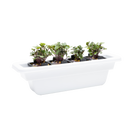
Growing oregano hydroponically indoors means cultivating this beloved Mediterranean herb in a soil-free, water-based system where roots receive nutrients directly from a carefully balanced solution — all within the controlled environment of your home. If you've ever wanted a steady supply of fresh oregano year-round without worrying about outdoor seasons, pests, or unpredictable weather, hydroponic growing is the answer. And the results speak for themselves: hydroponically grown herbs can produce up to 30% more essential oils than their soil-grown counterparts, giving you more flavor in every pinch.
Why Oregano Thrives in a Hydroponic System
Oregano (Origanum vulgare and related species) is a naturally resilient herb that originates from dry, rocky hillsides around the Mediterranean. That background actually makes it one of the easier herbs to grow hydroponically indoors. It doesn't demand excessive water, it responds well to consistent nutrient delivery, and it bounces back quickly after harvesting.
In a hydroponic setup, the roots sit in or above a nutrient-rich water solution rather than soil. This gives the plant direct, uninterrupted access to water, oxygen, and dissolved minerals. The result is faster vegetative growth and a more predictable harvest schedule. According to research from Cornell University's Controlled Environment Agriculture program, leafy herbs grown hydroponically reach harvest size up to 25% faster than in traditional soil gardens.
Oregano also does particularly well in systems that maintain strong root-zone oxygenation — exactly the design philosophy behind Rise Gardens systems. Whether you're using a Personal Garden on your kitchen counter or scaling up to a The Rise Garden 3 for a larger harvest, oregano adapts comfortably to both footprints.
Greek vs. Italian Oregano in Hydroponics: Which Should You Grow?
If you've browsed herb seed options, you've likely noticed multiple oregano varieties. The two most popular for home growers are Greek oregano (Origanum vulgare subsp. hirtum) and Italian oregano (Origanum x majoricum), and understanding the difference helps you grow exactly what your kitchen needs.
Greek oregano is the bold, pungent variety most associated with Mediterranean and Middle Eastern cooking. It carries a higher concentration of carvacrol — the phenolic compound responsible for oregano's sharp, slightly spicy flavor — often sitting between 60% and 80% of the essential oil profile. Greek oregano grows more compactly and handles slightly drier root zones without complaint, which means you can be less precise about watering intervals.
Italian oregano is a hybrid between oregano and sweet marjoram. Its flavor is milder, sweeter, and more aromatic, making it a favorite for Italian-American recipes, pizza sauce, and pasta. In a hydroponic environment, Italian oregano tends to grow slightly taller and bushier, and it benefits from slightly higher humidity than its Greek counterpart.
For Greek vs. Italian oregano hydroponics decisions, consider your cooking style first. Both varieties perform well hydroponically, but Greek oregano is more forgiving if your nutrient solution fluctuates slightly. Italian oregano rewards consistent environmental conditions with lush, fragrant foliage. Many Rise Gardens growers plant both varieties using separate seed pods so they can harvest each for different dishes throughout the week.
What Are the Right Light Requirements for Hydroponic Oregano?
Oregano light requirements are one of the most critical variables to get right when growing indoors. Oregano is a full-sun herb in its native habitat, which means it needs substantial, high-quality light to produce the aromatic oils that make it worth growing in the first place.
For oregano hydroponic light requirements, the key metrics are photoperiod (hours of light per day) and light intensity (measured in micromoles per square meter per second, or µmol/m²/s).
- Photoperiod: Oregano performs best with 14 to 16 hours of light per day. This mimics long summer days and keeps the plant in vigorous vegetative growth rather than triggering premature flowering.
- Light intensity: Aim for 200–400 µmol/m²/s at the canopy level. This is well within the range of modern full-spectrum LED grow lights.
- Spectrum: Full-spectrum LEDs that include blue wavelengths (400–500 nm) and red wavelengths (600–700 nm) support both leaf development and essential oil production.
NASA's Veggie project, which has studied plant growth under LED lighting aboard the International Space Station, confirmed that full-spectrum LED systems can successfully support the growth of culinary herbs with comparable or superior quality to greenhouse conditions — validating the effectiveness of indoor LED setups for home growers.
Rise Gardens systems use integrated full-spectrum LED panels engineered specifically for herbs and vegetables, so you don't need to calculate light placement manually. The lights are calibrated to deliver the right spectrum and intensity at every tier of the garden.
Nutrients, pH, and Water: Getting the Chemistry Right
Hydroponic success with oregano depends on maintaining the right chemistry in your nutrient solution. Here's a straightforward breakdown of what oregano needs.
pH: Oregano prefers a slightly acidic root environment. Keep your solution's pH between 6.0 and 7.0, with 6.0–6.5 being the sweet spot for maximum nutrient uptake. pH is a measure of how acidic or alkaline your water is, on a scale of 0 to 14. When pH drifts outside the ideal range, nutrients become chemically unavailable to the plant even if they're present in the water — a condition called nutrient lockout.
Electrical Conductivity (EC): EC measures the concentration of dissolved nutrients in your solution. For oregano, target an EC between 1.4 and 1.8 mS/cm. Higher concentrations can stress the plant; lower concentrations may result in slower, less flavorful growth.
Macronutrients: Oregano requires nitrogen (N), phosphorus (P), and potassium (K) as its primary macronutrients. During vegetative growth — which is when you'll be harvesting leaves — nitrogen is the most important driver of lush, green foliage. A balanced hydroponic nutrient formulation covers all three macronutrients plus secondary minerals like calcium and magnesium.
Water temperature: Keep your reservoir water between 65°F and 72°F (18°C–22°C). Warmer water holds less dissolved oxygen and becomes a breeding ground for root pathogens.
Rise Gardens' nutrients are formulated specifically for hydroponic food gardens and take the guesswork out of mixing a balanced solution. They're designed to work seamlessly within the pH and EC ranges that culinary herbs like oregano thrive in.
How Do You Harvest Oregano Indoors for Maximum Yield?
One of the most satisfying parts of growing oregano hydroponically is how generously it gives back when you harvest correctly. These oregano harvest tips for indoor growers will help you keep plants productive for months.
Start harvesting early. Once your oregano plant reaches 6–8 inches tall and has developed at least four sets of leaves, it's ready for its first harvest. Don't wait for the plant to become fully mature — early harvesting encourages branching and bushier growth.
Cut above a leaf node. Always trim stems just above a pair of leaves or a node (the point where leaves attach to the stem). This signals the plant to produce two new shoots from that point, effectively doubling the number of productive branches over time.
Never remove more than one-third of the plant at once. This is the most important harvest rule for oregano. Removing too much foliage at one time stresses the plant and slows recovery. Take small, frequent harvests rather than one large cutting.
Harvest in the morning. Essential oil concentration in oregano leaves peaks in the early part of the day before heat causes volatilization. Even indoors, this rhythm tends to hold true — harvest before your grow lights have been on for more than a few hours for the most flavorful leaves.
Pinch flower buds promptly. If your oregano begins to flower — a process called bolting — the plant shifts its energy from leaf production to seed development, and flavor in the leaves drops noticeably. Pinch off any flower buds as soon as they appear to keep the plant in a productive vegetative state. Under proper hydroponic light requirements (14–16 hours of light), bolting is less common, but monitor regularly.
With consistent harvesting practices, a single oregano plant in a hydroponic system can produce harvestable leaves every 7–10 days. That's a continuous supply of fresh herbs that most soil gardeners can only achieve outdoors in peak summer months.
Choosing the Right Indoor Garden System for Growing Oregano
The system you grow in shapes how easy and enjoyable the whole process becomes. Rise Gardens offers purpose-built hydroponic systems designed for home growers who want real results without an engineering degree.
For someone just getting started, the Personal Garden is a compact countertop unit that fits in apartments, small kitchens, or office spaces. It holds enough pods to keep a steady rotation of oregano and other herbs growing at all times — perfect if oregano is one of four or five herbs you want regularly on hand.
If you're looking to grow a wider variety of herbs and vegetables alongside your oregano, The Rise Garden 3 offers three full tiers of growing space, giving you room to experiment with Italian oregano on one tier, Greek oregano on another, and a full row of basil, thyme, or whatever else your kitchen calls for.
For growers who want their indoor garden to double as a design statement, The Rise Loft delivers a premium indoor garden experience with furniture-grade design that integrates beautifully into living spaces. It's a system that grows as impressively as it looks.
All Rise Gardens systems use the same full-spectrum LED lighting, compatible nutrient system, and seed pod format — so the oregano growing principles in this guide apply equally across every system.
Frequently Asked Questions
How long does oregano take to grow hydroponically from seed?
Oregano seeds typically germinate within 7–14 days under hydroponic conditions with consistent temperature (70°F–75°F) and adequate light. From germination to first harvest, expect approximately 4–6 weeks. After the first harvest, subsequent cuttings can be taken every 7–10 days as long as you follow the one-third harvesting rule.
Can you grow oregano hydroponically without a grow light?
Oregano needs 14–16 hours of light per day to grow vigorously, and natural window light is rarely sufficient for indoor growing — most windows deliver less than 200 µmol/m²/s even in direct sun, and the duration is inconsistent seasonally. A dedicated full-spectrum LED grow light is strongly recommended for reliable, flavorful oregano. Without adequate light, plants become leggy, pale, and low in essential oils.
What is the ideal pH for growing oregano in hydroponics?
The ideal pH range for hydroponic oregano is 6.0–6.5. Keeping pH within this range ensures that nutrients like nitrogen, phosphorus, calcium, and magnesium remain soluble and accessible to the plant's roots. Check pH every 2–3 days using a digital pH meter and adjust with pH-up or pH-down solution as needed.
Is Greek oregano better than Italian oregano for hydroponic growing?
Both varieties grow well hydroponically, but Greek oregano is slightly more forgiving for beginners because it tolerates minor fluctuations in nutrient concentration and root-zone moisture better than Italian oregano. Greek oregano also produces a more intensely flavored harvest, while Italian oregano offers a milder, sweeter profile. The best choice depends on how you cook — many growers plant both for maximum kitchen versatility.