Flowers have long been cherished for their beauty, symbolism, and fascinating history. In the enchanting world of flora, two blooms stand out for their unique characteristics and timeless allure: the Yellow Poppy and Baby's Breath. Let's delve into the intriguing world of these blossoms and uncover some delightful facts that add to their allure.
What Makes the Yellow Poppy So Special?
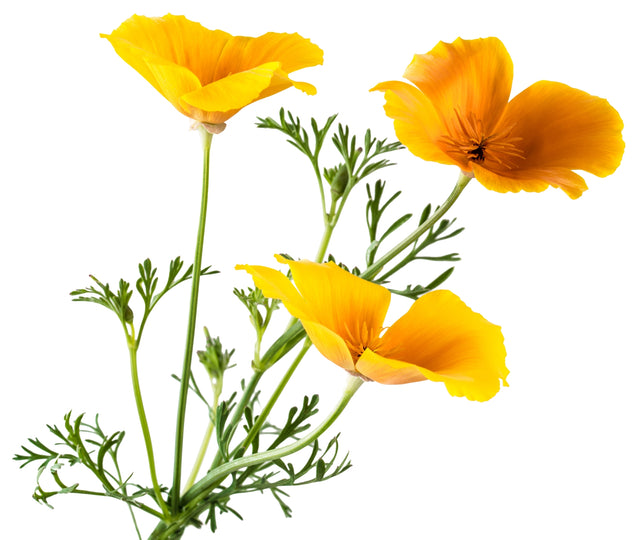
- Throughout history, poppies have been revered for their vibrant colors and symbolic meanings. The Yellow Poppy, in particular, is associated with happiness, success, and prosperity. Its sunny hue brightens the landscape and lifts the spirits of all who behold it.
- Historical Significance: Poppies have deep roots in mythology and folklore. In Greek mythology, the poppy was linked to Demeter, the goddess of agriculture and fertility. It was believed that poppies emerged from the tears of Demeter as she mourned the loss of her daughter, Persephone.
- Medicinal Uses: Beyond their aesthetic appeal, poppies have been valued for their medicinal properties. The opium poppy, in particular, has been cultivated for centuries for its sap, which contains compounds used in pain relief and anesthesia. According to the USDA Agricultural Research Service, poppy-derived compounds remain among the most studied plant-based medicinal substances in recorded botanical history.
What Is Baby's Breath and Why Is It So Beloved?
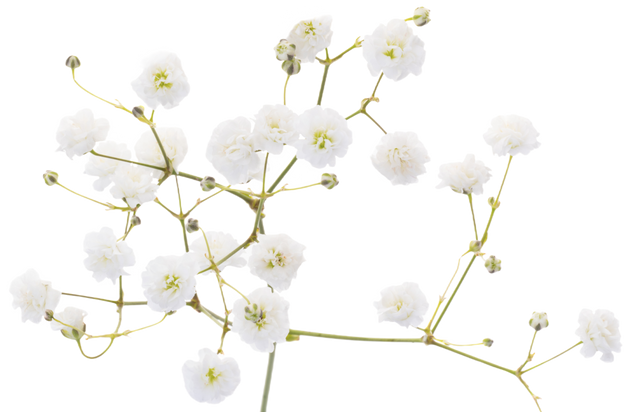
- Delicate Beauty: Baby's Breath — Gypsophila paniculata, a flowering plant prized for its airy, cloud-like clusters of tiny white or pink blossoms — adds an air of romance and elegance to floral arrangements. Its dainty blooms symbolize innocence, purity, and everlasting love, making it a popular choice for weddings and other special occasions. In fact, baby's breath is one of the most commercially cultivated cut flowers in the world, appearing in an estimated 70% of all retail floral bouquets sold globally.
- Enduring Popularity: Baby's Breath has been cherished by cultures around the world for centuries. In Victorian times, it was considered a symbol of everlasting love and was often included in bridal bouquets and corsages.
- Versatile Companion: While Baby's Breath is commonly used as a filler in floral arrangements, it can also stand alone as a stunning centerpiece. Its airy, ethereal appearance complements a wide range of flowers and foliage, adding texture and depth to any bouquet. Growing cutting flowers indoors with a Rise Garden provides consistent, year-round bloom production — research from Cornell University's Controlled Environment Agriculture program notes that indoor LED-grown flowering plants can produce blooms up to 25% more frequently than seasonally limited outdoor plants — giving you a steady supply for home arrangements throughout every season.
Whether adorning a wedding bouquet, brightening a garden, or simply bringing joy to a room, Yellow Poppies and Baby's Breath captivate with their beauty and charm. From ancient mythology to modern-day celebrations, these blooms continue to enchant us with their timeless appeal. Starting flowers from seed pods indoors allows you to nurture these beautiful varieties from the very beginning, giving you full control over every stage of their growth. As we admire their grace and elegance, let us also appreciate the rich history and fascinating facts that make them truly extraordinary.


Frequently Asked Questions
Can you grow yellow poppies or baby's breath in a Rise Garden?
Rise Gardens focuses on edible and culinary plants, but some ornamental flowering varieties including certain flower types can be grown indoors under the LED system for cutting and decorative arrangements. Yellow poppies and baby's breath have rich histories as both decorative and symbolically significant flowers that make beautiful additions to fresh-cut arrangements. For cutting flowers, the Rise Gardens system provides consistent bloom production that gives you a steady supply for home arrangements.
What is the symbolism of yellow poppies?
Yellow poppies are associated with sunshine, warmth, success, and remembrance in various cultural traditions, making them a meaningful gift for celebrations, graduations, and moments of personal triumph. Unlike red poppies which carry specific memorial symbolism, yellow poppies carry a cheerfully optimistic energy that brightens any floral arrangement. In the language of flowers known as floriography, poppies more broadly represent sleep, peace, and imagination, adding a layer of poetic meaning to these striking blooms.
What is the history of baby's breath as a flower?
Baby's breath (Gypsophila paniculata) originated in central Europe, Asia, and Africa and has been cultivated as a garden ornamental since the 18th century. It became a staple of the cut flower industry in the 20th century, primarily used as a filler flower in bouquets and arrangements, though its delicate cloud-like appearance has given it enduring popularity on its own. In floral symbolism, baby's breath represents innocence, purity, and everlasting love, which is why it remains a wedding flower favorite.
How do you dry flowers grown at home for long-lasting arrangements?
The easiest method for drying flowers is to gather small bunches, secure the stems with a rubber band, and hang them upside down in a warm, dry, dark, well-ventilated space for 2-3 weeks. Darkness is important during drying to preserve the flowers' color, as exposure to light causes significant fading. Once dried, flowers should be stored away from humidity and direct sunlight to maintain their appearance for months or even years in wreaths, frames, and seasonal decorations.