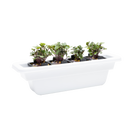
A hydroponic cold brew tea recipe is exactly what it sounds like: a slow-steeped, cold-water herbal tea made using fresh herbs grown without soil in a water-based hydroponic system. Cold brewing extracts delicate flavors and aromatic compounds from fresh leaves at low temperatures — no heat required — resulting in a smoother, less bitter drink than hot-steeped tea. When those herbs come straight from your own indoor hydroponic garden, the flavor difference is immediate and unmistakable. This guide walks you through everything you need to know to grow, harvest, and brew a glass worth sipping all summer long.
Why Hydroponically Grown Herbs Make Better Cold Brew Tea
The quality of your cold brew tea starts long before the pitcher hits the fridge. Herbs grown in a hydroponic system — where roots are bathed directly in nutrient-rich water rather than soil — tend to produce leaves with higher concentrations of essential oils and volatile aromatic compounds. These are the molecules responsible for the bright, clean flavors you taste in a good fresh herb iced tea.
According to a study published by researchers at the University of Mississippi, hydroponically cultivated mint produced measurably higher levels of menthol and menthone compared to soil-grown counterparts under identical lighting conditions. Menthol content directly correlates with how intensely minty and refreshing your tea will taste. That's not a small distinction when you're brewing a drink where the herb is the entire flavor profile.
Hydroponic systems also give you precise control over the growing environment. You can monitor pH (a measure of acidity or alkalinity on a scale of 0–14, with 5.5–6.5 being optimal for most herbs), electrical conductivity or EC (a measure of nutrient concentration in your water), and light cycles. This consistency means your herbs mature more predictably and you can harvest at peak flavor — typically just before the plant begins to flower, when essential oil content is highest.
If you're just getting started, a compact countertop option like the Personal Garden is an easy entry point. It holds enough herb pods to keep your cold brew rotation well-stocked year-round, right on your kitchen counter.
The Best Herbs to Grow for Homegrown Mint Tea and Other Cold Brews
Not every herb cold brews equally well. Some release tannins or bitter compounds when steeped too long; others need the slow, cold extraction process to fully open up. Here are the top performers for indoor hydroponic cold brew tea:
- Spearmint — The classic choice for homegrown mint tea. Milder than peppermint, with a sweet, clean flavor that shines in cold water over 8–12 hours.
- Peppermint — Higher menthol content makes this one intensely cooling. Use slightly fewer leaves than spearmint to avoid overpowering the brew.
- Lemon balm — A member of the mint family with a bright citrus-herbal flavor. Pairs beautifully with spearmint for a layered fresh herb iced tea.
- Holy basil (Tulsi) — Earthy, slightly clove-like, and wonderfully complex when cold brewed on its own or blended with mint.
- Chamomile — Gentle and floral. Cold brewing prevents the slightly bitter edge that hot steeping can introduce.
- Lavender — Use sparingly. Even a few sprigs add a distinct floral note that transforms a simple mint cold brew into something memorable.
Rise Gardens seed pods include spearmint, peppermint, lemon balm, and basil varieties that are pre-seeded and ready to drop directly into your garden's grow sites — no germination guesswork required.
Step-by-Step Hydroponic Cold Brew Tea Recipe
This base recipe works with any single herb or combination from the list above. Once you understand the ratio and timing, the variations are endless.
What You'll Need
- 1 cup (loosely packed) fresh hydroponic herbs — spearmint, peppermint, lemon balm, or a blend
- 4 cups filtered cold water
- Optional: 2–3 thin slices of cucumber, lemon, or lime for added brightness
- Optional: 1–2 tablespoons honey or agave, added after brewing
- A glass pitcher or mason jar with a lid
- Fine mesh strainer or cheesecloth
Instructions
- Harvest your herbs. Cut stems just above a leaf node using clean scissors. For mint, a good harvest is 4–6 stems, each 4–6 inches long. Rinse gently under cold water and pat dry with a clean towel.
- Lightly bruise the leaves. Fold the stems loosely in your hands and give them a gentle squeeze or light clap. This opens the cell structure slightly and encourages faster, more complete flavor extraction without releasing bitter compounds the way aggressive crushing would.
- Combine in your pitcher. Place the bruised herb stems in your glass pitcher or mason jar. Add any optional citrus slices now. Pour 4 cups of cold filtered water over the herbs.
- Seal and refrigerate. Cover tightly and refrigerate for 8–12 hours. Eight hours yields a lighter, more delicate brew; 12 hours produces a more concentrated, assertive flavor. Do not exceed 14 hours — at that point some herbs, particularly basil, can begin to turn slightly bitter.
- Strain and serve. Pour through a fine mesh strainer into a serving glass filled with ice. Sweeten to taste if desired. Garnish with a fresh sprig from your garden.
Yield and Ratios
This recipe yields 4 servings (approximately 8 oz each). Scale up freely — the 1:4 ratio of herb to water holds at any volume. For a concentrated base you can dilute later, use a 1:2 ratio and keep it refrigerated for up to 5 days.
How Do You Know When to Harvest Herbs for the Best Flavor?
Timing your harvest is one of the most impactful things you can do to improve the quality of your indoor garden drinks. The general rule: harvest herb leaves just before the plant bolts, or begins to produce flower buds. At this stage, the plant has invested maximum energy into producing aromatic compounds in its leaves as a natural deterrent to insects and stress. Once flowering begins, essential oil concentrations in the foliage drop noticeably.
For mint varieties in a hydroponic system, peak harvest typically occurs 4–6 weeks after germination under 16 hours of daily light. The NASA Veggie Project, which has studied plant growth in controlled environments since the 1980s, documented that consistent light cycles and stable root-zone temperatures produce herbs with more uniform flavor profiles than field-grown equivalents exposed to seasonal weather variation. Your indoor hydroponic garden mimics that consistency at home.
Practical indicators to watch for:
- Leaves are deep green and fully expanded — not pale or yellowing
- The plant has 6–8 sets of mature leaves and hasn't yet formed visible flower buds
- When you brush a leaf lightly, the scent is strong and immediate
- Stems are firm and upright, not leggy or sprawling
Always harvest in the morning if possible. Research from the USDA Agricultural Research Service notes that essential oil content in mint leaves peaks in the early morning hours before heat causes volatile compounds to evaporate. Since your indoor garden isn't subject to outdoor heat, this matters less — but it's still a good habit to build for maximum flavor.
Can You Blend Hydroponic Herbs with Loose-Leaf Tea for Cold Brew?
Absolutely, and this is where fresh herb iced tea recipes get genuinely exciting. Adding a small amount of loose-leaf green or white tea to your cold brew pitcher introduces tannins, antioxidants, and a subtle earthiness that complements fresh herbs without overpowering them. Cold brewing is actually ideal for tea leaves because low temperatures extract less caffeine and fewer astringent tannins than hot water does — a fact that makes cold brew gentler on sensitive stomachs.
A 2021 analysis published in the journal Food Chemistry found that cold-brewed green tea contained approximately 60–80% less caffeine per serving than the same tea brewed at 185°F (85°C). That's a meaningful difference if you're looking for a flavorful afternoon drink that won't disrupt your sleep.
Suggested Combinations
- Spearmint + white tea — Delicate and floral, almost effervescent in character
- Lemon balm + green tea — Bright, citrusy, and lightly grassy
- Peppermint + gunpowder green tea — Bold, smoky, and deeply refreshing
- Holy basil + white peony tea — Complex and aromatic, wonderful over ice with a slice of peach
For blended recipes, use 1 tablespoon of loose-leaf tea per 4 cups of water alongside your fresh herbs. Steep for 8–10 hours. Straining through cheesecloth rather than a mesh strainer catches fine tea particles more effectively.
Setting Up Your Indoor Garden for a Steady Supply of Cold Brew Herbs
One of the most satisfying aspects of growing your own herbs for indoor garden drinks is the continuous harvest cycle. Hydroponic mint, lemon balm, and basil are cut-and-come-again crops — meaning the more you harvest, the more the plant branches and produces new growth. With the right setup, you can maintain a perpetual supply without ever buying herbs from a grocery store again.
A full-size system like The Rise Garden 3 gives you enough growing capacity to run multiple herb varieties simultaneously across its three tiers — so you can have spearmint, lemon balm, chamomile, and tulsi all producing at once without any competition for space or light. Each tier operates independently, which means you can stagger your planting schedule by 2–3 weeks to create a rolling harvest rather than everything maturing at the same time.
For households that entertain regularly or want the garden to double as a design statement, The Rise Loft brings furniture-grade craftsmanship to your indoor growing setup — a conversation piece and a functional herb source in one. Its built-in lighting system is optimized for leafy herb production, delivering the consistent photon output that keeps aromatic compound levels high throughout the plant's lifecycle.
Whichever system you choose, maintaining the correct nutrients in your reservoir is critical. For herbs destined for beverages, use a balanced hydroponic nutrient formula at the lower end of the recommended EC range (typically 0.8–1.2 mS/cm for mint and lemon balm). This encourages leaf production over aggressive vegetative growth and results in more flavorful, aromatic foliage.
A few setup tips to maximize your cold brew herb production:
- Maintain water temperature between 65–72°F (18–22°C) for optimal root health in mint varieties
- Keep pH between 5.5–6.0 for herbs — slightly more acidic than the midpoint of the general hydroponic range
- Run lights 16 hours on, 8 hours off for consistent vegetative growth
- Trim any flower buds immediately as they appear to keep the plant in its most flavorful pre-bolt stage
Frequently Asked Questions
How long does hydroponic cold brew herbal tea last in the refrigerator?
Strained cold brew herbal tea keeps well in a sealed glass container in the refrigerator for up to 5 days. After that, the delicate aromatic compounds begin to degrade and the flavor can become slightly flat or grassy. For best results, brew in small batches every 3–4 days to keep flavors vivid and fresh.
Do I need to wash herbs from my hydroponic garden before brewing?
Yes, always rinse hydroponically grown herbs under cold running water before use. While hydroponic systems don't use soil and are generally cleaner than outdoor gardens, the leaves can collect dust particles and should be rinsed as a standard food safety practice. A quick 30-second rinse followed by a gentle pat dry is all you need.
What is the ideal water-to-herb ratio for cold brew tea?
A ratio of 1 cup of loosely packed fresh herbs to 4 cups of cold filtered water (1:4 by volume) produces a well-balanced cold brew suitable for drinking straight over ice. If you prefer a stronger concentrate to dilute with sparkling water or lemonade, reduce to a 1:2 ratio and dilute to taste before serving.
Can I use hydroponic herbs that have started to flower in cold brew tea?
You can, but the flavor will be noticeably different — typically more medicinal or slightly bitter as the plant redirects energy from leaf production to reproduction. Mint flowers are actually edible and make a lovely garnish, but for brewing, harvest the remaining leafy stems and then cut the plant back hard to encourage a new flush of flavorful vegetative growth.