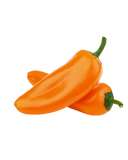
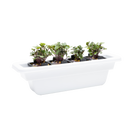
A hydroponic hot sauce recipe starts long before you reach for a blender — it starts the moment you drop a pepper seed pod into your indoor garden. Hydroponic hot sauce is exactly what it sounds like: a fermented or fresh-blended hot sauce made entirely from peppers you grew yourself in a soil-free, water-based growing system. When you control the environment from seedling to harvest, you also control the flavor, the heat level, and the freshness of every drop. This guide walks you through the full process: growing your peppers hydroponically, harvesting at peak ripeness, and crafting a small-batch hot sauce that puts grocery store bottles to shame.
Why Hydroponic Peppers Make Better Hot Sauce
Flavor in hot peppers comes from capsaicinoids — the compounds responsible for heat — along with sugars, acids, and aromatic volatiles that develop as the fruit matures. Hydroponic growing gives you precise control over the factors that influence all of these: light, water, and nutrients. A 2020 study from the University of Arizona's Controlled Environment Agriculture program found that hydroponically grown vegetables can produce yields up to 11 times higher per square foot than soil-grown counterparts, while using up to 90% less water. More yield means more peppers per harvest, and more peppers means more hot sauce.
Beyond volume, hydroponic peppers tend to be cleaner and more consistent than field-grown fruit. Because your nutrients are delivered directly to the root zone in a precisely measured solution, your plants never experience the nutrient deficiencies or soil pH swings that dull flavor in outdoor gardens. The result is a pepper with brighter color, tighter skin, and a heat profile that's predictable batch after batch.
Growing indoors also means you're never at the mercy of the weather. You can time your harvest to hit exactly the ripeness level you want — whether that's a green jalapeño tang or a fully red, sun-sweet serrano. That kind of control is what separates a truly great homegrown pepper hot sauce from everything else on the shelf.
The Best Peppers to Grow Hydroponically for Hot Sauce
Not every pepper variety thrives equally in an indoor hydroponic setup, but several are exceptionally well-suited to countertop and floor-standing systems. Here are the top picks for your indoor garden hot sauce project:
- Jalapeño (Capsicum annuum): The classic. Matures in 70–85 days, grows compact enough for most systems, and delivers a reliable 2,500–8,000 Scoville Heat Units (SHU). Great for a mild, approachable hot sauce.
- Serrano: Hotter than jalapeño at 10,000–23,000 SHU, with a bright, grassy flavor that's ideal for fresh-style sauces. Compact plant structure makes it a strong indoor performer.
- Cayenne: Long, thin fruits that dry beautifully. Cayenne hits 30,000–50,000 SHU and brings a clean, sharp heat without overwhelming fruit flavor.
- Thai Chili: Small plants, big heat at 50,000–100,000 SHU. Prolific producer that does very well under grow lights. Perfect for a Southeast Asian-inspired indoor garden hot sauce.
- Habanero: For the adventurous. At 100,000–350,000 SHU, habaneros bring floral, fruity complexity that makes them uniquely delicious in fermented sauces. They need a longer grow cycle but reward patience.
Rise Gardens seed pods include several hot pepper varieties pre-seeded and ready to drop into your system — no soil, no mess, no guesswork on germination depth.
How Do You Grow Peppers Hydroponically Indoors?
Growing peppers in a hydroponic system is more straightforward than most people expect. Peppers are heavy feeders — they thrive when nutrients are abundant and consistent — which makes them an ideal match for a closed-loop hydroponic system where you dial in the nutrient solution precisely.
Here's what you need to know about the key variables:
- pH: Peppers prefer a nutrient solution pH between 5.8 and 6.3. Outside this range, the plant can't absorb minerals efficiently, even if they're present in the water. Rise Gardens systems are designed to maintain this range consistently.
- EC (Electrical Conductivity): EC measures how nutrient-dense your water solution is. Peppers do well at an EC of 2.0–3.5 mS/cm. Too low and plants grow slowly; too high and you risk nutrient burn.
- Light: Peppers need 14–16 hours of light per day for strong fruit development. Rise Gardens LED systems are tuned to the spectrum peppers need for flowering and fruiting.
- Temperature: Aim for 70–85°F (21–29°C) in your grow space. Cooler temperatures slow fruiting; temperatures above 90°F can cause blossom drop.
- Pollination: Indoors, there are no insects or wind to transfer pollen. Give your pepper plants a gentle shake daily once flowers appear, or use a small paintbrush to transfer pollen between blossoms.
If you're setting up your first system, the Personal Garden is a compact countertop system that fits easily in a kitchen or apartment and supports up to 9 pods — more than enough for a dedicated pepper harvest. For larger yields across multiple pepper varieties at once, The Rise Garden 3 gives you a full three-tier growing system that can run peppers, herbs, and other ingredients simultaneously.
The Hydroponic Hot Sauce Recipe: Step-by-Step
This recipe produces approximately 16 oz of finished hot sauce and works with any medium-heat pepper — jalapeño and serrano are great starting points. Scale up or down based on your harvest.
Ingredients
- 1 lb fresh hydroponic peppers (stems removed, roughly chopped)
- 6 cloves garlic
- 1 small white onion, quartered
- ¾ cup distilled white vinegar (5% acidity)
- 1 tsp kosher salt
- 1 tsp sugar (optional, to balance heat)
- 2 tbsp olive oil
- Juice of 1 lime
Instructions
- Roast your aromatics: Preheat your oven to 425°F. Toss the garlic cloves and onion quarters with olive oil and roast for 20–25 minutes until caramelized and soft. This adds depth and reduces the raw sharpness that can dominate a fresh sauce.
- Blend the base: Add your chopped peppers, roasted garlic, and onion to a high-powered blender. Pulse several times before blending smooth, about 60 seconds. Keep the seeds in for extra heat; remove them for a milder result.
- Add the liquid: Pour in the vinegar and lime juice. Blend again for another 30 seconds. The vinegar doesn't just add tang — its acidity brings the sauce to a pH below 4.0, which is the critical threshold for food safety in acidified hot sauces. According to USDA guidelines for acidified foods, a finished pH of 4.6 or below is required to inhibit growth of harmful bacteria including Clostridium botulinum.
- Season and adjust: Add salt and sugar. Blend briefly. Taste and adjust — more vinegar for sharpness, more salt to bring out sweetness, a pinch of sugar to soften aggressive heat.
- Strain (optional): For a smoother, pourable sauce, strain through a fine mesh sieve, pressing pulp to extract all liquid. For a chunkier texture, skip this step.
- Cook it down: Transfer to a saucepan and simmer over medium-low heat for 10–15 minutes, stirring occasionally. This step melds flavors, reduces excess water, and further acidifies the sauce.
- Bottle: Pour into sterilized glass bottles or jars while still hot. Seal immediately. Refrigerated, this sauce keeps for up to 4 months. For shelf-stable storage, use a tested water-bath canning process.
Flavor Variations
- Smoky Cayenne: Swap jalapeños for cayenne, add 1 tsp smoked paprika, and reduce vinegar slightly for a thicker, BBQ-friendly sauce.
- Tropical Habanero: Use habaneros with ½ cup fresh mango or pineapple, reduce vinegar to ½ cup, and add 1 tbsp honey. The fruit tames the heat while amplifying habanero's floral notes.
- Fermented Serrano: Skip the cook-down entirely. Blend serranos with 2% salt by weight (no vinegar), seal in a mason jar, and ferment at room temperature for 5–7 days before blending with lime juice. Fermentation produces lactic acid naturally, dropping pH and creating a complex, tangy depth that no fresh sauce can replicate.
What Can You Make With Hydroponic Peppers Besides Hot Sauce?
Once your pepper plants are producing, they rarely stop — and that's a good problem to have. A healthy hydroponic pepper plant can produce 50–100 peppers over the course of a full grow cycle, depending on variety and system. Here are a few more hydroponic pepper recipes to put that harvest to work:
- Pepper Powder: Slice peppers thin and dehydrate at 135°F for 8–10 hours. Blend into powder for a shelf-stable seasoning that lasts up to a year.
- Pickled Peppers: Quick-pickle sliced jalapeños in a 1:1 mix of vinegar and water with salt and garlic. Ready in 24 hours; keeps refrigerated for 2 months.
- Compound Butter: Blend softened butter with minced fresh peppers, garlic, and herbs from your indoor garden. Roll in plastic wrap, freeze, and slice as needed for steaks, corn, or bread.
- Pepper Jelly: Combine chopped peppers with apple cider vinegar, pectin, and sugar. Process in a water bath for a sweet-heat condiment that pairs beautifully with cheese boards.
If you're serious about building a pantry stocked entirely from your indoor garden, The Rise Loft is Rise Gardens' premium indoor garden with furniture-grade design — it grows up to 36 plants across three tiers and looks beautiful doing it, whether you're in a studio apartment or a dedicated kitchen nook.
How Long Does It Take to Harvest Hydroponic Peppers?
One of the most common questions from first-time indoor growers is how long they'll wait before seeing results. The honest answer: it depends on the variety, but hydroponic growing consistently shortens the timeline compared to soil.
The NASA Veggie project, which has been developing plant growth systems for space station use since 2014, has documented that hydroponic crops consistently reach harvest in 25–50% less time than equivalent soil-grown crops under controlled light conditions. For home growers, that translates to real savings: a jalapeño that takes 90 days in an outdoor garden may be harvest-ready in 65–70 days under optimized indoor lighting and nutrition.
Here's a general harvest timeline for popular hot sauce varieties in a Rise Gardens system:
- Jalapeño: 65–80 days from transplant to first harvest
- Serrano: 70–85 days
- Cayenne: 75–90 days
- Thai Chili: 70–80 days
- Habanero: 90–110 days
Harvest peppers when they've reached their target color — green for sharp, unripe flavor, red or orange for sweeter, more complex heat. Don't wait for every pepper on the plant to ripen before you pick; harvesting mature fruits actually encourages the plant to produce more flowers and set new fruit faster.
FAQ: Hydroponic Hot Sauce and Indoor Pepper Growing
Can I use any type of pepper from my hydroponic garden to make hot sauce?
Yes — virtually any Capsicum variety works for hot sauce, from mild banana peppers to superhot scorpion peppers. The key is matching your recipe's acidity and salt levels to the pepper's water content and flavor profile. Thicker-walled peppers like habaneros and bell peppers produce a creamier sauce; thin-walled varieties like cayenne blend into a more liquid, pourable consistency.
How do I know if my homemade hot sauce is safe to eat?
The most reliable safety check for homegrown pepper hot sauce is pH. According to the USDA's guidelines for acidified foods, your finished sauce should measure 4.6 pH or below to prevent the growth of dangerous bacteria. Use a calibrated pH meter or pH strips to test before bottling. If your sauce reads above 4.6, add more vinegar or citrus juice and retest. Refrigerating your sauce immediately after bottling adds a second layer of safety.
Do hydroponic peppers taste different from soil-grown peppers?
Many growers report that hydroponically grown peppers have a cleaner, more vivid flavor — likely because nutrient delivery is consistent and the plant doesn't experience the stress fluctuations common in outdoor soil growing. Capsaicin levels (which determine heat) are also influenced by stress; some growers deliberately reduce water slightly near harvest to intensify heat. The flavor profile remains true to variety, just often more concentrated and predictable.
How many pepper plants do I need to make a batch of hot sauce?
A standard 16 oz batch of hot sauce requires about 1 pound of fresh peppers. A single healthy hydroponic jalapeño or serrano plant can produce 30–50 peppers per grow cycle, which is typically enough for 2–4 batches depending on fruit size. Growing 2–3 plants of the same variety gives you a reliable, consistent harvest for regular sauce production without overwhelming your system's capacity.