A hydroponic pickled vegetables recipe is exactly what it sounds like: a method of preserving and flavoring fresh vegetables grown hydroponically — that is, in a soil-free, nutrient-rich water system — by submerging them in a seasoned vinegar brine. Unlike traditional shelf-stable canning, most of these recipes produce refrigerator pickles that are ready in as little as 24 hours and are stored cold rather than processed in a water bath. When you grow your own radishes, cucumbers, dill, and herbs indoors with a hydroponic system, you gain complete control over what goes into your food — from seed to jar.
Why Hydroponic Vegetables Are Ideal for Pickling
Pickling is all about freshness. The crispier and more flavorful the vegetable going in, the better the pickle coming out. Hydroponically grown vegetables have a well-documented advantage here. According to research supported by the USDA, vegetables begin losing nutrients and moisture within hours of harvest, which means the shorter the window between garden and kitchen, the better your results.
When you grow indoors with a system like The Rise Garden 3 — a full-size indoor hydroponic garden system — your harvest is steps away from your cutting board. There's no transit time, no cold storage degradation, and no guessing about when the vegetables were picked. That proximity translates directly into pickles with better snap, brighter color, and more complex flavor.
Hydroponic vegetables also tend to have consistent sizing and shape because their growing environment is tightly controlled. Uniform slices mean uniform brine penetration, which means every piece in the jar pickles at the same rate. That's a practical benefit that home picklers appreciate immediately.
A 2021 study published through Cornell Cooperative Extension found that hydroponically grown leafy vegetables and radishes showed up to 11% higher vitamin C retention compared to field-grown counterparts stored for 48 hours post-harvest — a direct reflection of the grow-at-home advantage.
What Vegetables and Herbs Can You Grow Hydroponically for Pickling?
The range of pickling-friendly crops you can grow indoors hydroponically is broader than most people expect. Here are the top performers for both flavor and growth speed:
- Radishes: One of the fastest-growing hydroponic crops, ready in 22–30 days. Quick pickled radishes from an indoor garden are thinly sliced and brined in rice wine vinegar for a punchy, crisp condiment.
- Cucumbers: Mini or bush cucumber varieties thrive in larger hydroponic setups. They're the backbone of classic hydroponic refrigerator pickles.
- Dill: A must-have herb for any pickle jar. Hydroponic dill grows quickly and produces feathery fronds with intense aroma. A homegrown pickled herbs recipe almost always starts here.
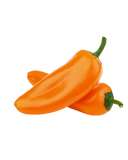
- Jalapeños and banana peppers: These thrive under grow lights and add serious heat and tang to mixed pickle jars.
- Green onions and chives: Both grow reliably indoors and add sharpness to herb-forward brines.
- Basil and tarragon: Less traditional but increasingly popular in modern pickling, these herbs add a floral, anise-like dimension to vinegar-based recipes.
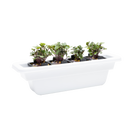
If you're just starting out, a Personal Garden — Rise Gardens' compact countertop hydroponic garden — is a great way to run two or three crops simultaneously, like radishes alongside dill, so your pickling ingredients are always ready at the same time.
The Core Hydroponic Pickled Vegetables Recipe (Refrigerator Style)
This is a foundational brine formula that works with nearly any vegetable you grow. It produces hydroponic refrigerator pickles that are ready in 24 hours and keep in the refrigerator for up to 4 weeks.
Ingredients
- 1 cup distilled white vinegar or apple cider vinegar (5% acidity)
- 1 cup water (filtered or distilled)
- 1 tablespoon kosher salt (non-iodized)
- 1 tablespoon granulated sugar (optional, for balance)
- 2–3 cloves garlic, smashed
- 1 teaspoon black peppercorns
- ½ teaspoon red pepper flakes (optional)
- Fresh dill fronds from your indoor garden (about 4–5 sprigs)
- 2 cups of your hydroponic vegetables, sliced or trimmed
Instructions
- Harvest and prep: Cut your vegetables within an hour of making the brine. For radishes, slice ⅛-inch thick. For cucumbers, cut into spears or coins. For peppers, slice into rings.
- Sterilize your jars: Use clean mason jars — 16 oz works well. Run them through the dishwasher on a hot cycle or pour boiling water inside and let them sit for 2 minutes.
- Make the brine: Combine vinegar, water, salt, and sugar in a small saucepan over medium heat. Stir until salt and sugar dissolve completely, about 3–4 minutes. Remove from heat and let cool for 10 minutes.
- Pack the jars: Layer garlic, peppercorns, pepper flakes, and fresh dill into the bottom of each jar. Pack your vegetables in tightly — they'll shrink slightly once the brine hits them.
- Pour the brine: Pour the warm (not boiling) brine over the vegetables, leaving about ½ inch of headspace. Tap the jar gently to release air bubbles.
- Seal and refrigerate: Screw the lid on tightly, let the jar cool to room temperature, then refrigerate. Wait at least 24 hours before opening — 48 hours gives even better flavor development.
Quick Pickled Radishes Variation (Indoor Garden)
For quick pickled radishes from your indoor garden specifically, swap white vinegar for rice wine vinegar and add 1 teaspoon of toasted sesame oil to the cooled brine before pouring. Add a few slices of fresh ginger if you grow it. These are ready in as little as 2 hours and are exceptional on grain bowls, tacos, or ramen.
How Do You Customize a Homegrown Pickled Herbs Recipe?
One of the most rewarding aspects of growing hydroponically is having fresh herbs available year-round, regardless of season. A homegrown pickled herbs recipe takes advantage of that abundance in a smart way: rather than using dried herbs as mere flavoring, you're pickling the herbs themselves as the star ingredient.
Here are three herb-forward pickling variations worth trying:
Pickled Dill Stems
Thick dill stems — often discarded — are actually excellent pickled. Blanch them for 30 seconds in boiling water, then brine them exactly as you would cucumbers. The result is a crunchy, intensely herby condiment that pairs beautifully with smoked fish or creamy cheeses.
Pickled Basil Leaves
Use a sweeter brine (increase sugar to 2 tablespoons) with white wine vinegar. Layer whole basil leaves loosely in a jar and cover with warm brine. These are delicate and best used within 2 weeks. They're a stunning garnish for caprese salads or flatbreads.
Pickled Chive Blossoms
If your indoor chives have bloomed, don't waste the flowers. Pack the blossoms into a small jar and cover with white wine vinegar and a pinch of salt. After 48 hours, the vinegar turns a vivid purple and the blossoms become mild, slightly floral pickles. This is one of the most visually striking homegrown pickled herbs recipe variations you can make.
Growing a diverse herb collection is easy with seed pods designed for hydroponic systems — you can rotate varieties throughout the year and always have something ready to pickle.
What Is the Science Behind Pickling and Why Does pH Matter?
Pickling preserves food through acidification. When you submerge a vegetable in a vinegar brine with a pH of 4.6 or below, you create an environment hostile to the growth of Clostridium botulinum and other harmful bacteria. The USDA National Center for Home Food Preservation specifies that all safe pickle brines must achieve a final pH of 4.6 or lower — which is why using vinegar with a minimum 5% acidity is non-negotiable in any reliable recipe.
For refrigerator pickles specifically, you have a bit more flexibility because the cold temperature (below 40°F / 4°C) also inhibits microbial growth, giving you a double layer of food safety without needing to process jars in a boiling water bath. However, refrigerator pickles must always be kept cold and consumed within 4 weeks.
The pH concept is also familiar to hydroponic gardeners. In hydroponics, pH refers to the acidity or alkalinity of the nutrient solution your plants grow in. Most vegetables thrive at a pH between 5.5 and 6.5 in their growing water — a range that promotes optimal nutrient absorption. Maintaining the right pH in your growing system is just as critical as maintaining the right acidity in your brine. Rise Gardens' nutrients are formulated to support stable pH ranges so your plants grow at their best, producing the firm, flavorful vegetables that make the finest pickles.
According to NASA's Veggie project — the space agency's ongoing research into growing food in controlled environments — plants grown in hydroponic systems show highly consistent cellular structure, which contributes directly to better texture in fresh and preserved applications. If it's good enough for astronauts, it's good enough for your pickle jar.
Tips for Getting the Best Results From Your Indoor Hydroponic Pickles
Growing and pickling are both crafts that reward attention to detail. Here are the most impactful practices to adopt:
Harvest at Peak Ripeness
Radishes should be harvested when they reach roughly ¾ to 1 inch in diameter — any larger and they become pithy. Cucumbers for pickling are best harvested young, at 3–4 inches, before the seeds develop fully and the skin thickens.
Keep Vegetables Cold Before Brining
After harvesting, refrigerate your vegetables for at least 30 minutes before packing. Cold vegetables stay crisper in the jar because the cells are firmer when the brine contacts them. Some picklers add a grape leaf or oak leaf to the jar — both contain tannins that help maintain crunch, though this is optional.
Use Non-Iodized Salt
Iodized table salt can discolor pickles and create murky brine. Kosher salt or pickling salt are the standards. Measure by weight if possible — 1 tablespoon of kosher salt is approximately 18 grams, while table salt is denser at about 21 grams per tablespoon.
Label Everything
Write the contents and date on every jar with a piece of masking tape and a marker. Refrigerator pickles all look similar after a few days, and knowing exactly what's in each jar — and when it was made — prevents waste and confusion.
Grow More Than You Think You Need
A single radish harvest from a compact system can yield 8–12 radishes — enough for one small jar. If pickling is a regular goal, plan your planting schedule so you're harvesting every 10–14 days in rotation. A larger system like The Rise Loft — a premium indoor garden with furniture-grade design — gives you the capacity to run multiple crop cycles simultaneously, so your pickle supply is never interrupted.
Frequently Asked Questions
How long do hydroponic refrigerator pickles last?
Hydroponic refrigerator pickles stored in a sealed jar at 40°F or below typically last 3 to 4 weeks. They're safe to eat throughout that window, though the texture softens gradually after the first two weeks. Always discard any jar that shows signs of mold, off-odors, or unusually cloudy brine.
Can I use hydroponic herbs directly in pickle brine?
Yes — fresh hydroponic herbs like dill, tarragon, and basil work excellently in brine. Add them directly to the jar before pouring the brine. Fresh herbs impart more volatile aromatic compounds than dried herbs, which means more complex flavor. Use about 4–5 fresh sprigs where a recipe calls for 1 teaspoon of dried.
Do I need special equipment to make pickles from my indoor garden?
For refrigerator pickles, no special canning equipment is needed. Clean mason jars with tight-fitting lids, a small saucepan for the brine, and a cutting board are sufficient. If you want to make shelf-stable pickles that don't require refrigeration, you will need a water bath canner and should follow USDA-tested recipes precisely to ensure food safety.
What is the best hydroponic vegetable to start pickling with?
Radishes are the best starting point. They grow in as little as 22–30 days in a hydroponic system, produce reliably even for new growers, and pickle beautifully in under 2 hours with a simple rice wine vinegar brine. Their fast grow time means you can experiment with multiple brine variations in quick succession without a long wait between batches.