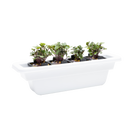
A hydroponic grain bowl recipe is exactly what it sounds like: a nourishing, build-your-own bowl featuring whole grains as the base and fresh greens, herbs, and toppings grown using hydroponic technology — a soil-free growing method that delivers water, oxygen, and nutrients directly to plant roots in a controlled indoor environment. The result is a meal that tastes better because you grew it yourself, and it comes together in under 30 minutes once your indoor garden is producing. If you've been looking for a reason to finally use your harvest, this is it.
Why Hydroponic Greens Belong in Every Grain Bowl
Grain bowls have earned their place in the weekly meal rotation for good reason. They're versatile, filling, and endlessly customizable. But the real difference between a good grain bowl and a great one comes down to the quality of the greens on top — and hydroponic greens are genuinely in a different category.
Plants grown hydroponically receive a precisely calibrated nutrient solution (a water-based mix of essential macro and micronutrients like nitrogen, potassium, phosphorus, and calcium) rather than drawing nutrients inconsistently from soil. This precision means faster growth and more consistent flavor. According to research published by the University of Mississippi, hydroponically grown lettuce can contain measurably higher levels of certain vitamins compared to conventionally grown counterparts under optimal conditions.
Beyond nutrition, there's a practical angle: you're harvesting leaves minutes before eating them. The USDA notes that fresh produce can lose a significant portion of its nutrient content within 24–48 hours of harvest due to oxidation and cellular breakdown. When your greens travel from your countertop or living room shelf to your bowl, that window essentially disappears.
For a homegrown grain bowl that genuinely impresses, hydroponic greens aren't just a garnish — they're the centerpiece.
What Can You Grow for a Hydroponic Greens Bowl Recipe?
One of the most common questions new indoor gardeners ask is: what exactly can I grow for something like this? The answer is more than you might expect. A well-rounded indoor garden harvest bowl draws on several plant categories, and Rise Gardens seed pods cover all of them.
Here's a breakdown of the best hydroponic crops for grain bowls by category:
- Salad greens and lettuce: Butterhead, romaine, red leaf, and arugula are all fast-growing and ready to harvest in as little as 3–4 weeks. These form the leafy base of your indoor garden harvest bowl.
- Herbs: Basil, cilantro, mint, and dill add brightness and complexity. A few fresh basil leaves can completely transform a bowl of farro and roasted vegetables.
- Microgreens: Radish, sunflower, and pea shoot microgreens germinate in 7–14 days and deliver concentrated flavor and texture as a finishing layer.
- Spinach and kale: These hearty greens hold up well when lightly wilted over warm grains and bring a substantial nutritional profile to the bowl.
- Edible flowers and garnishes: Nasturtiums and certain varieties of basil flowers add visual impact and mild flavor that makes your bowl feel restaurant-worthy.
A mature The Rise Garden 3 running at full capacity can support 36 plant pods simultaneously across three growing levels, giving you enough variety to keep your grain bowl toppings rotating week after week without repetition.
The Hydroponic Grain Bowl Recipe: Step-by-Step
This recipe is designed to be a template. Swap grains, switch up the greens, and adjust the dressing based on what's thriving in your garden. The ratios below serve two people comfortably.
Base Ingredients
- 1 cup dry farro, quinoa, or brown rice (cooked according to package instructions — farro yields about 3 cups cooked)
- 2 cups mixed hydroponic greens (butterhead lettuce, arugula, or spinach from your indoor garden)
- 1/2 cup fresh hydroponic herbs (basil, dill, or cilantro)
- 1 handful microgreens for topping
Toppings
- 1 soft-boiled or poached egg per serving (or roasted chickpeas for a plant-based option)
- 1/2 avocado, sliced
- 1/4 cup pickled red onion
- 2 tablespoons toasted pumpkin seeds or sunflower seeds
- Flaky sea salt and cracked black pepper
Lemon-Herb Dressing
- 3 tablespoons extra virgin olive oil
- 1.5 tablespoons fresh lemon juice
- 1 teaspoon Dijon mustard
- 1 small garlic clove, finely grated
- 1 tablespoon finely chopped fresh basil or dill (from your garden)
- Salt and pepper to taste
Instructions
- Cook your grain: Prepare farro, quinoa, or brown rice according to package instructions. Season lightly with salt while still warm. Farro has a pleasant chewiness that holds up well under warm toppings; quinoa is faster at about 15 minutes.
- Harvest your greens: Snip leaves from your indoor garden using clean scissors, cutting just above the base of the leaf stem. Rinse briefly and pat dry. For microgreens, cut at the soil line directly from the pod.
- Make the dressing: Whisk together olive oil, lemon juice, Dijon, garlic, and herbs in a small bowl until emulsified. Taste and adjust seasoning.
- Assemble the bowl: Spoon warm grain into each bowl as the base. Arrange greens and herbs over one half of the grain. Add avocado, pickled onion, and your protein on the other half.
- Finish and serve: Drizzle with dressing, scatter microgreens and toasted seeds over the top, and finish with flaky salt. Serve immediately.
Prep time: 10 minutes | Cook time: 20–30 minutes (grain dependent) | Total: Under 40 minutes
How Does an Indoor Hydroponic Garden Make This Recipe Possible Year-Round?
Seasonality is the silent saboteur of consistent home cooking. You find a recipe you love, make it through summer, and then suddenly the farmers market stops carrying the greens that made it work. Indoor hydroponic growing removes that constraint entirely.
NASA's Veggie project — a program developed to grow food in space — demonstrated that leafy crops like lettuce, kale, and radishes can be grown successfully in controlled indoor environments without soil, natural light, or seasonal variation. The findings reinforced what indoor gardeners already know: with the right spectrum of LED light (typically in the 400–700 nanometer range), a balanced nutrient solution with an electrical conductivity (EC) between 1.2 and 2.4 mS/cm, and a pH maintained between 5.5 and 6.5, most leafy greens will grow reliably regardless of what's happening outside your window.
Rise Gardens systems maintain these parameters through purpose-built LED grow lights and pH-balanced nutrients formulated specifically for leafy greens and herbs. You don't need a greenhouse or a south-facing window. You need a countertop or a corner of your living room and about five minutes of maintenance per week.
If you're just getting started and working with limited space, the Personal Garden fits comfortably on a kitchen counter and supports up to 9 plant pods — more than enough to keep your grain bowl recipe stocked with two or three rotating varieties of greens and herbs at any given time.
For households that cook seriously or want more variety on the table, The Rise Loft is a furniture-grade indoor garden with a refined design that integrates into living spaces without looking like equipment. It holds up to 18 pods and becomes a genuine kitchen feature rather than just a gadget on the counter.
Grain Bowl Variations Using Your Indoor Garden Harvest
Once you have the core recipe down, the structure stays the same and the details rotate based on what's ready in your garden. Here are four variations worth building into your weekly routine:
Miso-Ginger Farro Bowl
Swap the lemon-herb dressing for a miso-ginger vinaigrette (white miso, rice vinegar, sesame oil, fresh ginger, and a touch of honey). Top farro with hydroponic spinach, shredded carrots, edamame, and a soft egg. Finish with sesame seeds and a handful of pea shoot microgreens from your garden.
Mediterranean Quinoa Bowl
Build on quinoa with hydroponic arugula and fresh basil, sliced cucumber, cherry tomatoes, kalamata olives, and crumbled feta. Dress with olive oil, lemon, and dried oregano. The peppery bite of fresh arugula from your indoor garden elevates this far beyond what store-bought greens deliver.
Warm Kale and Farro Bowl
Wilt hydroponic kale briefly in a hot pan with garlic and olive oil, then pile it over warm farro. Add white beans, sun-dried tomatoes, and a poached egg. Finish with a drizzle of good olive oil and fresh dill. This version works particularly well as a weeknight dinner.
Herb-Forward Summer Bowl
For a bowl that leans heavily on your herb harvest, use brown rice as the base and pile on fresh cilantro, mint, and basil in almost salad-like quantities. Add sliced avocado, mango, pickled jalapeño, and grilled shrimp or tofu. Dress with a lime-fish sauce vinaigrette. The herbs carry the entire flavor profile here, which is exactly why growing your own matters.
Tips for Getting the Best Harvest for Your Grain Bowls
Growing for a specific recipe changes how you think about your garden. You're not just watching plants grow — you're managing a supply chain for your kitchen. A few practices will keep your harvest consistent:
- Succession plant every 2–3 weeks: Stagger your plantings so you always have something at peak harvest stage. If you plant all your lettuce pods at once, you'll have a surplus one week and nothing the next.
- Harvest outer leaves first: For lettuce and herbs, removing outer leaves encourages the plant to continue producing from the center rather than bolting. A single butterhead plant can yield harvestable leaves for 6–8 weeks with proper technique.
- Keep your pH in range: Hydroponic systems rely on a nutrient solution with a pH between 5.5 and 6.5 for most leafy greens. Outside this range, nutrient uptake slows even if the nutrients are present — a condition called nutrient lockout. Rise Gardens nutrients are formulated to maintain this range with minimal adjustment.
- Match varieties to your bowl goals: If you use a lot of herbs, prioritize herb pods. If you want a substantial leafy base, grow two or three lettuce varieties simultaneously. Your garden should reflect how you actually cook.
- Rinse at harvest, not before: Wash greens right before using them, not right after harvesting. Excess moisture accelerates breakdown if you're storing cut leaves in the refrigerator.
According to the USDA Economic Research Service, Americans waste approximately 30–40 percent of the food supply, with fresh produce accounting for a disproportionate share of that loss. Growing exactly what you need, when you need it, directly addresses this problem at the household level — a quiet but meaningful advantage of indoor hydroponic gardening that rarely gets enough attention.
Frequently Asked Questions
Can I use hydroponic greens in a warm grain bowl without wilting them?
Yes — the key is assembly order. Spoon your warm grain into one side or section of the bowl and arrange greens on the other side, keeping them separated until just before eating. Delicate greens like butterhead lettuce will stay crisp as long as they're not sitting directly on hot grain. Heartier greens like spinach or kale can actually benefit from slight wilting when the warm grain is spooned over them intentionally.
How long does it take to grow enough greens for a grain bowl from an indoor hydroponic garden?
Most lettuce and salad green varieties are ready for their first harvest within 3–4 weeks from seed pod activation in a Rise Gardens system. Herbs like basil and cilantro typically take 4–5 weeks to reach a size suitable for regular harvesting. Microgreens are the fastest option at 7–14 days and can be used as a topping while your main greens continue to develop.
What is EC and why does it matter for growing hydroponic greens?
EC stands for electrical conductivity, and it measures the concentration of dissolved nutrients in your hydroponic water solution. For leafy greens, an EC between 1.2 and 2.4 mS/cm is generally optimal — too low and plants become nutrient deficient, too high and nutrient toxicity can occur. Rise Gardens nutrients are pre-formulated to hit the right EC range for the crops in their seed pod catalog, removing most of the guesswork for home growers.
Do hydroponic greens taste different from store-bought greens in a grain bowl?
Most growers report a noticeable difference, particularly with herbs and arugula. Freshly harvested hydroponic basil has a more pronounced anise-forward aroma and flavor than basil that has been refrigerated and transported over days. The difference is most obvious in recipes like grain bowls where the greens are eaten raw and feature prominently — the flavor isn't diluted by cooking or heavy sauces.