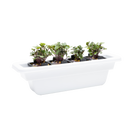
A hydroponic soup recipe is exactly what it sounds like: a nourishing, flavor-packed soup built almost entirely from vegetables you've grown yourself using a soil-free, water-based growing system. Hydroponics — a method of cultivating plants in nutrient-rich water rather than soil — lets you harvest crisp greens, herbs, and vegetables year-round, no matter the weather outside. That means your soup pot gets filled with produce at its absolute freshest, often harvested just minutes before it hits the stove. If you've been growing food in a Rise Gardens system and wondering what to do with your abundance of kale, basil, chard, and lettuce, this guide is your answer.
Why Homegrown Hydroponic Greens Make Better Soup
There's a measurable difference between store-bought produce and greens you harvest fresh from your indoor garden. According to the USDA Agricultural Research Service, fruits and vegetables can lose 15–55% of their vitamin C content within a week of harvest, depending on storage conditions and handling. When you grow hydroponically at home, the time between harvest and your cutting board shrinks from days or weeks to mere minutes — and your soup reflects that directly in flavor and nutrition.
Hydroponic plants are also grown in a precisely controlled environment. Growers manage the nutrient solution — a water-based mix of macro and micronutrients like nitrogen, phosphorus, potassium, and calcium — as well as the pH (the measure of acidity or alkalinity, ideally kept between 5.5 and 6.5 for most vegetables) and EC (electrical conductivity, which measures the concentration of dissolved nutrients in the water). That level of control produces consistently vibrant, dense greens with robust flavor profiles that translate beautifully into a homegrown vegetable soup.
Research from the University of Arizona's Controlled Environment Agriculture Center has shown that hydroponically grown lettuce and leafy greens can contain significantly higher levels of certain antioxidants and phytonutrients than field-grown counterparts — a direct result of optimized light exposure and nutrient delivery.
What Can You Grow for an Indoor Garden Soup Recipe?
One of the most exciting aspects of building an indoor garden soup recipe is realizing just how many soup-worthy ingredients your hydroponic system can produce. Here's a breakdown of what thrives in a Rise Gardens setup and how each ingredient contributes to your bowl:
- Kale and Swiss Chard: Sturdy, mineral-rich greens that hold up beautifully in broth-based soups. Both are heavy producers and can be harvested continuously using the cut-and-come-again method.
- Spinach: Wilts down quickly in heat, adding a silky texture and iron-rich depth to any broth.
- Basil and Parsley: Fresh herbs harvested from your system transform a simple vegetable stock into something aromatic and bright. Add at the end of cooking to preserve volatile oils.
- Butter Lettuce: Surprisingly delicious when briefly wilted into a hot broth — think Asian-style soup preparations.
- Arugula: Its peppery bite mellows beautifully when added to a warm soup just before serving.
- Mizuna and Mustard Greens: Bring a gentle heat and complexity that pairs well with miso or vegetable-based broths.
You can start all of these from seed pods in your Rise Gardens system and have harvestable greens in as little as 3–4 weeks for fast-growing varieties like spinach and lettuce.
The Core Hydroponic Soup Recipe: Garden Greens and Herb Broth
This foundational recipe is designed to showcase your hydroponic greens soup at its most elemental — clean, bright, nourishing. It's endlessly adaptable. Swap in whatever you're harvesting this week.
Ingredients
- 4 large handfuls of mixed hydroponic greens (kale, chard, spinach, arugula — whatever you're harvesting)
- 1 cup fresh basil and parsley leaves, roughly torn
- 1 medium yellow onion, diced
- 4 cloves of garlic, minced
- 2 tablespoons olive oil
- 6 cups vegetable broth (low sodium preferred)
- 1 can (15 oz) white cannellini beans, drained and rinsed
- 1 cup small pasta or cooked farro (optional, for heartiness)
- Juice of 1 lemon
- Salt, black pepper, and red pepper flakes to taste
- Freshly grated Parmesan for serving (optional)
Instructions
- Harvest your greens. Head to your indoor garden and harvest 4–6 large handfuls of mixed greens. Rinse them quickly under cold water and shake dry. Remove any thick stems from kale or chard and chop the leaves into rough, 2-inch pieces.
- Build your base. In a large Dutch oven or soup pot, heat olive oil over medium heat. Add the diced onion and cook for 5–7 minutes until soft and translucent. Add the garlic and cook for another 60 seconds until fragrant.
- Add broth and beans. Pour in the vegetable broth and bring to a gentle boil. Add the cannellini beans. If you're using pasta, add it now and cook according to package directions. If using farro, add it pre-cooked at the end.
- Add the greens. Reduce heat to a simmer and add the chopped kale and chard first — they need 4–5 minutes to soften. Then add spinach and any more tender greens, which only need 1–2 minutes.
- Finish with herbs and acid. Turn off the heat. Stir in the fresh basil and parsley. Squeeze in the lemon juice. Taste and adjust salt, pepper, and red pepper flakes.
- Serve immediately. Ladle into bowls, top with Parmesan if desired, and drizzle with a little extra olive oil. Serve with crusty bread.
Yield: 4–6 servings | Prep time: 15 minutes | Cook time: 25 minutes
How Does Growing Hydroponically Affect Flavor in Soups?
This is one of the most common questions home growers ask — and the answer is grounded in plant biology. Hydroponic plants receive a precisely calibrated nutrient solution delivered directly to their root zone, which means they don't have to expend energy searching for minerals through soil. That energy gets redirected into leaf and stem development, resulting in greens with denser cell walls, more concentrated chlorophyll, and a more pronounced flavor signature.
According to data cited by the NASA Veggie Project, which developed hydroponic growing systems for use aboard the International Space Station, hydroponically grown leafy greens demonstrated consistent quality, flavor, and nutrition across controlled grow cycles — validating what indoor gardeners have experienced firsthand: that soil-free growing, done right, produces exceptional produce.
For soup specifically, this means your broth absorbs more flavor from the greens during cooking. A handful of freshly harvested hydroponic kale releases deeper, more complex flavor compounds into a simmering broth than the same quantity of week-old bagged kale from a grocery store. The difference is perceptible from the very first spoonful.
To consistently grow greens with peak flavor, make sure you're supplying your plants with the right formulation. Rise Gardens' nutrients are specifically calibrated for the plant varieties in our systems, helping you maintain the ideal EC and pH ranges that produce the richest, most flavorful harvests.
Choosing the Right Rise Gardens System for Your Soup Garden
Getting serious about a homegrown vegetable soup habit means growing enough volume to harvest generously and often. Here's how to think about which Rise Gardens system fits your cooking goals:
If you're cooking solo or for two people and want a steady supply of fresh herbs and a few greens per week, the Personal Garden is a compact countertop system that fits beautifully in a kitchen or apartment. It holds up to 10 plant sites, giving you enough basil, parsley, spinach, and lettuce to enhance every pot of soup you make.
If you cook for a family or want to grow enough to make soup a regular, ingredient-rich meal with full portions of hydroponic greens, the The Rise Garden 3 is a full-size, three-tier indoor hydroponic garden system with 108 plant sites. That's enough growing capacity to maintain a continuous harvest rotation — kale in one tier, herbs in another, spinach and chard in a third — so you're never short on soup ingredients.
For those who want their indoor garden to be as beautiful as it is productive, The Rise Loft brings a premium, furniture-grade design that fits naturally into a dining room or living space. With 36 plant sites and sophisticated aesthetics, it's the system for the home cook who wants their garden to be part of the home's décor — not hidden in a utility room.
A useful planning note: fast-growing greens like spinach and lettuce are typically ready to harvest in 3–4 weeks from planting. Heartier greens like kale and chard take 5–6 weeks. Stagger your plantings by 1–2 weeks to create a continuous harvest cycle and ensure you always have fresh ingredients for your next pot of soup.
Variations: Building More Complex Hydroponic Greens Soup
Once you've mastered the core recipe, your hydroponic garden opens up a world of soup variations. Here are three directions to take your indoor garden soup recipe further:
Miso and Hydroponic Greens Soup
Replace the vegetable broth with a dashi or light miso broth base. Add sliced shiitake mushrooms, cubed tofu, scallions, and a generous handful of mizuna, arugula, or butter lettuce harvested right before serving. Stir in 2 tablespoons of white miso paste off the heat to preserve its probiotic properties. The peppery, fresh notes of hydroponic greens cut through the umami richness beautifully.
Creamy Spinach and Herb Bisque
Use your hydroponic spinach and basil as the backbone of a blended green bisque. Sauté onion and garlic, add broth and a peeled, cubed potato for body, then add 5–6 large handfuls of fresh spinach. Simmer for 10 minutes, blend until silky, and finish with a splash of cream or full-fat coconut milk. The result is a vibrant, emerald-green soup with a flavor that tastes unmistakably fresh-from-the-garden.
White Bean and Kale Ribollita
This Tuscan-style bread soup is one of the best possible uses for an abundant kale harvest. Build a base of onion, carrot (sourced from a farmers market to complement your homegrown kale), celery, tomatoes, and white beans. Add chopped hydroponic kale and torn stale bread. Simmer until thick and hearty. Drizzle aggressively with good olive oil and finish with fresh hydroponic parsley.
Frequently Asked Questions
Can you use hydroponic lettuce in soup?
Yes — and it's delicious. Hydroponic lettuce varieties like butter lettuce, romaine, and oak leaf wilt quickly in hot broth, adding a delicate, slightly sweet flavor. The best approach is to add torn lettuce leaves directly to bowls and ladle hot broth over them, which gently wilts the leaves without overcooking them. This technique is common in Vietnamese and Korean soup traditions.
How many plants do I need to grow enough greens for soup?
For a pot of soup serving 4–6 people, you'll want to harvest roughly 6–8 large handfuls of mixed greens — approximately 4–5 oz of raw greens per serving before wilting. With a system like The Rise Garden 3 running a continuous harvest rotation across multiple varieties, most growers find they can harvest soup-worthy quantities of greens every 7–10 days once their garden reaches full production. Planting staggered batches every 2 weeks ensures a steady supply.
What is the ideal pH for growing soup greens hydroponically?
Most leafy greens and herbs used in soup — including kale, spinach, chard, basil, and parsley — thrive with a nutrient solution pH between 5.5 and 6.5. Staying within this range ensures that plants can absorb the full spectrum of macro and micronutrients available in the water. Rise Gardens systems are designed to maintain stable pH levels, and the companion app provides guidance on monitoring your water chemistry for optimal results.
Do hydroponic vegetables taste different than soil-grown vegetables?
Many growers and chefs describe hydroponically grown greens as tasting cleaner, fresher, and more intensely flavored than comparable store-bought produce — largely because they're consumed closer to harvest time. The USDA notes that nutrient and flavor compound degradation begins immediately after harvest, so the dramatically shorter time between harvest and cooking in a home hydroponic setup preserves more of what makes fresh vegetables taste exceptional. Flavor also varies by variety, nutrient solution quality, and light exposure during growth.