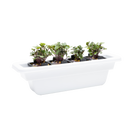
A hydroponic taco filling recipe is exactly what it sounds like: a vibrant, flavor-packed taco built almost entirely from ingredients you've grown yourself in a soil-free, water-based indoor garden. Instead of reaching for limp grocery store greens or flavorless peppers, you're harvesting crisp lettuce, spicy jalapeños, fresh cilantro, and tender herbs straight from your countertop or living room floor — all grown hydroponically, meaning the plants get their nutrients delivered directly to their roots through a carefully balanced water solution rather than soil. The result? Produce that's fresher, more nutritious, and honestly more satisfying to eat when you grew it yourself.
Why Grow Your Own Homegrown Taco Ingredients Hydroponically?
There's a meaningful difference between tacos made with homegrown taco ingredients and ones assembled from supermarket staples. Hydroponic growing accelerates that difference significantly. According to a study from the University of Mississippi, hydroponically grown lettuce contained up to 11% more vitamin C than its soil-grown counterpart under controlled conditions — and nutrient density is directly tied to how quickly produce is consumed after harvest. When your cilantro travels from your garden pod to your cutting board in under five minutes, you're getting the full nutritional picture.
Beyond nutrition, there's the matter of flavor. Hydroponic plants grown in a dialed-in system with the right nutrient balance and light spectrum develop concentrated flavor compounds. Peppers grown indoors with consistent conditions often have a sharper, more complex heat profile. Lettuce stays sweeter without the bitterness that develops when field crops are stressed by weather. For an indoor garden taco recipe, that means every bite is doing more work.
The NASA Veggie project, which has been studying plant growth aboard the International Space Station since 2014, confirmed that leafy greens grown in controlled, soil-free environments are microbiologically safe and nutritionally comparable to Earth-grown produce — validating what indoor hydroponic gardeners already experience at home.
What Can You Actually Grow for Tacos in a Hydroponic Garden?
More than you might expect. A well-stocked indoor hydroponic system can supply most of the fresh components of a fully loaded taco. Here's a breakdown of the best taco-ready crops for indoor growing:
- Lettuce and microgreens: Butterhead, romaine, and red leaf lettuce all thrive in hydroponic systems and make excellent taco bases or toppings. Microgreens add a peppery crunch and are ready to harvest in as few as 7–14 days.
- Jalapeños and mini sweet peppers: Hydroponic peppers and greens tacos are a natural pairing. Peppers grow well in systems with adequate vertical height and strong light. Expect harvest in 60–90 days from transplant.
- Cilantro: One of the fastest-growing herbs in a hydroponic setup. Sow and you'll be harvesting in roughly 3–4 weeks. It bolts in heat, so the controlled indoor environment works in your favor.
- Green onions (scallions): Fast-growing and perpetual — cut above the root base and they regrow. Perfect for taco topping duty.
- Basil and oregano: Less traditional, but incredible in fusion taco builds.
- Cherry tomatoes: A longer grow time (70–85 days) but deeply rewarding. Slice them over fish or chicken tacos for a bright, acidic hit.
Rise Gardens' seed pods include varieties specifically well-suited to indoor growing — from spicy pepper cultivars to multiple lettuce types — so you're not guessing at germination rates or compatibility.
The Hydroponic Taco Filling Recipe: Step-by-Step
This recipe is built around what you can realistically harvest from a home hydroponic garden over a 6–8 week growing window. The protein is your choice — grilled chicken, carnitas, black beans, or seasoned tofu all work beautifully as a base. The star of the show is the garden.
Ingredients (Serves 4)
From your hydroponic garden:
- 2 cups butterhead or romaine lettuce, torn
- 1 cup microgreens (radish or sunflower work especially well)
- 2 jalapeños, thinly sliced (remove seeds for less heat)
- 4–5 mini sweet peppers, sliced into strips
- 3 tablespoons fresh cilantro, roughly chopped
- 4 green onions, sliced thin
- 1 cup cherry tomatoes, halved
From your pantry:
- 8 small corn or flour tortillas
- 1 lb protein of choice (chicken thighs, black beans, or carnitas)
- Juice of 2 limes
- 2 tablespoons olive oil
- 1 teaspoon cumin
- 1 teaspoon smoked paprika
- Salt and pepper to taste
- Sour cream, cotija cheese, or avocado (optional)
Instructions
- Season and cook your protein. Toss chicken thighs or your protein of choice with olive oil, cumin, smoked paprika, lime juice, salt, and pepper. Cook in a cast iron skillet over medium-high heat for 6–7 minutes per side until cooked through. Rest for 5 minutes, then slice or shred. For black beans, warm them in a pan with the same spices.
- Harvest your garden ingredients. Cut lettuce leaves close to the base. Snip cilantro. Slice peppers and jalapeños. Harvest green onions. Halve the cherry tomatoes. Rinse everything under cold water and pat dry.
- Warm your tortillas. Char them directly over a gas burner for 20–30 seconds per side, or warm in a dry skillet. Keep wrapped in a clean towel to stay pliable.
- Build your tacos. Start with a base layer of lettuce. Add your protein. Layer on sweet pepper strips and jalapeño slices for your hydroponic peppers and greens taco experience. Top with cherry tomatoes, green onions, and a generous handful of microgreens. Finish with fresh cilantro and a squeeze of lime.
- Optional finishing touches. A dollop of sour cream, crumbled cotija, or sliced avocado rounds everything out.
Quick Hydroponic Pico de Gallo (Bonus)
If your cherry tomatoes are producing generously, blend this alongside the main recipe: combine 1 cup halved cherry tomatoes, 2 tablespoons diced green onion, 1 tablespoon cilantro, half a jalapeño (minced), lime juice, and a pinch of salt. Let it sit for 10 minutes before serving. Entirely homegrown. Entirely worth it.
How Do You Set Up a Hydroponic Garden to Grow Taco Ingredients at Home?
Getting started is more straightforward than most people expect. A hydroponic system works by delivering a nutrient-rich water solution — calibrated to the right electrical conductivity (EC) and pH level, typically between 5.5 and 6.5 for most vegetables — directly to plant roots, eliminating the need for soil entirely. Plants spend less energy searching for nutrients and more energy producing growth, which is why hydroponic crops often mature 30–50% faster than soil-grown equivalents.
For a household taco garden, you have a few strong options depending on your space:
- The Personal Garden is a compact countertop hydroponic garden that holds up to 12 plant pods — enough to keep a steady rotation of lettuce, herbs, and microgreens going simultaneously. It fits on a kitchen counter and is ideal if you're focused on greens and herbs for your tacos.
- The The Rise Garden 3 is a full-size indoor hydroponic garden system with three growing tiers, giving you the capacity to grow 36 plants at once — enough to include taller crops like peppers and tomatoes alongside your herbs and greens.
- The The Rise Loft is a premium indoor garden with furniture-grade design, blending seamlessly into your living space while delivering serious growing capacity. Its vertical footprint makes it ideal for households that want to grow more without sacrificing aesthetics.
Whichever system you choose, pairing it with the right nutrients is essential. Rise Gardens' liquid nutrients are formulated specifically for the pH and EC demands of indoor hydroponic growing, and they're calibrated to support everything from fast-cycling lettuce to longer-season pepper plants.
The USDA reports that the average American household spends approximately $270 per year on fresh vegetables — a figure that a productive hydroponic garden can meaningfully reduce, particularly for high-turnover items like herbs and salad greens that are used frequently in recipes like this one.
Tips for Getting the Most Flavor from Your Indoor Garden Taco Recipe
Growing the ingredients is one thing — coaxing peak flavor out of them is another. Here are the practices that make the biggest difference:
- Harvest in the morning. Plants accumulate sugars and flavor compounds overnight. Morning harvests — even indoors — tend to produce more flavorful greens and herbs.
- Don't over-dilute your nutrient solution. Plants grown in slightly higher EC conditions (within the recommended range for each crop) tend to produce more concentrated flavors. This is the same logic behind dry-farming tomatoes in premium wine country — mild stress drives flavor.
- Use cilantro before it bolts. Once cilantro begins to flower, the leaves become more bitter. Harvest frequently to delay bolting and keep leaves flavorful.
- Let jalapeños ripen to red. If your system has the capacity and you have the patience, jalapeños left to ripen from green to red develop a sweeter, more complex heat. Both stages are delicious in tacos — it's a matter of preference.
- Succession plant your lettuce. Stagger plantings every 2–3 weeks so you always have leaves at peak harvest size rather than waiting for a full reset.
Research from Cornell University's Controlled Environment Agriculture program has found that hydroponic lettuce grown under optimized LED lighting can achieve harvest-ready size in as few as 28 days — roughly half the time of field-grown varieties. For a recipe-driven gardener, that turnaround is a practical game-changer.
FAQ: Hydroponic Taco Filling Recipe and Growing Your Own Taco Ingredients
Can I really grow enough taco ingredients indoors to make a full meal?
Yes — with a multi-pod hydroponic system, you can produce enough lettuce, herbs, microgreens, and peppers to assemble tacos for a household of 2–4 people on a weekly basis. Larger systems like The Rise Garden 3 support up to 36 plants simultaneously, which gives you enough growing capacity to cover the full range of taco toppings including peppers, greens, and fresh herbs without running short.
How long does it take to grow hydroponic jalapeños and peppers for tacos?
Hydroponic peppers typically reach harvest-ready size in 60–90 days from transplant, depending on the variety and your system's light intensity. Mini sweet peppers tend to mature faster than full-size jalapeños. While you're waiting for peppers, faster crops like cilantro (3–4 weeks) and lettuce (4–6 weeks) will keep your taco toppings stocked throughout the growing process.
What pH should I maintain for growing taco vegetables hydroponically?
Most taco-friendly vegetables — including lettuce, peppers, tomatoes, and herbs — thrive at a pH between 5.5 and 6.5 in a hydroponic system. Keeping your water solution within this range ensures plants can absorb the full spectrum of nutrients available to them. Rise Gardens' systems are designed to make pH monitoring straightforward, and the included nutrients are formulated to support stable pH levels over time.
Do hydroponic vegetables taste different from store-bought ones?
Many growers report that hydroponically grown vegetables — especially herbs, lettuce, and peppers — have a more vibrant, concentrated flavor compared to store-bought produce that's been harvested early and transported long distances. The University of Mississippi has documented measurably higher vitamin C levels in hydroponic lettuce compared to soil-grown equivalents. Because you're harvesting and eating within minutes rather than days, you're tasting the produce at its absolute nutritional and flavor peak.