If you've been searching for a hydroponic herb green goddess dressing recipe that actually tastes like something you'd order at a farm-to-table restaurant, you're in the right place. Green goddess dressing is a creamy, herb-forward sauce traditionally made with a generous combination of fresh herbs, a tangy acid, and a rich base like mayonnaise, sour cream, or Greek yogurt. What makes this version special is the source of those herbs: your own indoor hydroponic garden, where basil, tarragon, chives, and parsley grow faster, cleaner, and more intensely flavored than almost anything you'd find at a grocery store. Growing your herbs hydroponically — meaning in a water-based nutrient solution rather than soil — means you control every variable, from light cycles to nutrient concentration, resulting in leaves that are vibrant, aromatic, and packed with flavor.
Why Hydroponic Herbs Make the Best Green Goddess Dressing
There's a reason professional chefs are increasingly turning to hydroponically grown herbs. A study from the University of Mississippi found that basil grown under controlled indoor conditions produced significantly higher concentrations of essential oils — the compounds responsible for that punchy, unmistakable aroma — compared to field-grown counterparts. Those essential oils are exactly what you want in a homegrown herb creamy dressing.
Hydroponic systems deliver nutrients directly to the root zone in a dissolved form, which means plants spend less energy searching for food and more energy producing flavorful leaves. The result? Herbs that are ready to harvest faster and taste more concentrated. NASA's Veggie project, which has been studying plant growth in controlled environments since the early 2000s, confirmed that leafy plants grown under optimized LED lighting and nutrient delivery systems show accelerated growth rates and consistent quality — findings that translate directly to home hydroponic gardening.
When you're making an indoor garden green goddess dip or a full salad dressing, the quality of your herbs is the single biggest variable. Starting with hydroponic herbs grown in your own kitchen isn't just convenient — it's a genuine flavor upgrade.
The Herbs You Need and How to Grow Them Hydroponically
Traditional green goddess dressing calls for a specific lineup of herbs, and the good news is that every one of them thrives in an indoor hydroponic system.
- Basil: The workhorse of the dressing. Sweet Genovese basil adds a slightly peppery, anise-like backbone. In a hydroponic setup, basil typically reaches harvest-ready size in 21–28 days.
- Tarragon: French tarragon is what gives authentic green goddess its distinctive, slightly licorice-like depth. A hydroponic basil tarragon sauce without real tarragon is missing its soul.
- Chives: Mild onion flavor that rounds out the sharpness of the other herbs. Chives are among the fastest-growing hydroponic herbs, often ready in 14–21 days.
- Parsley: Adds a clean, bright, grassy note and contributes to the vivid green color of the finished dressing.
- Mint (optional): A few leaves add unexpected freshness and pair beautifully with the yogurt base.
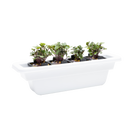
To get started, you'll want a reliable indoor growing system. The Personal Garden is a compact countertop hydroponic garden that holds up to 12 pods — more than enough to keep a rotating supply of every herb this recipe requires. If you want to scale up and grow herbs alongside leafy greens or even edible flowers for garnish, The Rise Garden 3 offers a full-size three-tier system that gives serious home cooks a lot to work with.
For nutrients, Rise Gardens' nutrients are formulated specifically for leafy plants and herbs, supporting the lush, flavorful growth that makes this recipe sing. Pair them with the right seed pods for basil, tarragon, chives, and parsley, and you'll have a full herb garden ready to harvest in under a month.
One number worth knowing: hydroponics uses up to 90% less water than conventional soil gardening, according to the USDA's National Agricultural Library. Growing your own herbs at home isn't just fresher — it's genuinely more sustainable.
Hydroponic Herb Green Goddess Dressing Recipe
This recipe makes approximately 1.5 cups of dressing — enough for four large salads, a crudité platter, or a grain bowl spread across the week. It keeps refrigerated for up to five days, though honestly it rarely lasts that long.
Ingredients
- 1 cup fresh hydroponic basil leaves, loosely packed
- ¼ cup fresh tarragon leaves
- ¼ cup fresh chives, roughly chopped
- ¼ cup fresh flat-leaf parsley leaves
- 1 tablespoon fresh mint leaves (optional)
- ½ cup full-fat Greek yogurt
- ¼ cup good-quality mayonnaise
- 2 tablespoons fresh lemon juice (about 1 lemon)
- 1 tablespoon white wine vinegar
- 1 small garlic clove, minced
- 2 tablespoons extra-virgin olive oil
- ½ teaspoon kosher salt, plus more to taste
- ¼ teaspoon freshly ground black pepper
- 2–3 tablespoons cold water, to thin if needed
Instructions
- Wash all herbs thoroughly under cold running water and pat dry. Removing excess moisture helps the dressing emulsify properly and prevents it from becoming watery.
- Add the basil, tarragon, chives, parsley, and mint to a blender or food processor.
- Add the Greek yogurt, mayonnaise, lemon juice, white wine vinegar, and minced garlic.
- Drizzle in the olive oil with the blender running on low if your blender allows it, or simply add it all at once before blending.
- Blend on high for 45–60 seconds until completely smooth and vibrantly green. Stop and scrape down the sides once midway through.
- Season with salt and pepper. If the dressing is thicker than you'd like, add cold water one tablespoon at a time and blend briefly after each addition.
- Taste and adjust: more lemon for brightness, more tarragon for depth, more salt to pull everything together.
- Transfer to an airtight jar and refrigerate for at least 30 minutes before serving. Chilling allows the flavors to meld and the dressing to thicken slightly.
Serving Ideas
This homegrown herb creamy dressing is genuinely versatile. Use it as a salad dressing over crisp romaine or butter lettuce, as a dipping sauce for raw vegetables (an indoor garden green goddess dip moment), as a spread on grain bowls or wraps, or drizzled over roasted salmon or chicken. It's also exceptional as a dip for crusty sourdough.
What Can I Substitute If I Don't Have Fresh Tarragon?
Tarragon is the hardest herb in this recipe to find fresh at a regular grocery store, which is one of the best arguments for growing your own. That said, if your tarragon pods are still a week away from harvest, there are workable substitutes.
The closest swap is a combination of fresh fennel fronds (about two tablespoons) and a small pinch of anise seed, which mimics tarragon's distinctive licorice note. Alternatively, a small amount of fresh dill — roughly half the quantity of tarragon called for — can work in a pinch, though the flavor profile shifts toward something more Scandinavian than classic French.
What you want to avoid is skipping any herbal depth-builder entirely. Green goddess dressing without something anise-adjacent tastes flat. The hydroponic basil tarragon sauce combination is traditional for a reason: those two herbs balance each other beautifully, with basil's brightness lifting tarragon's earthiness.
If you want to always have tarragon on hand, the The Rise Loft is a premium indoor garden with furniture-grade design that fits seamlessly in a kitchen or dining room — meaning you can grow a full herb collection year-round without sacrificing aesthetics. Having tarragon, basil, chives, and parsley all going simultaneously is entirely realistic with a multi-tiered system.
How Long Do Hydroponic Herbs Stay Fresh After Harvest?
This is one of the most practical questions home herb growers ask, and the answer depends on the herb and how you store it.
Basil is the most delicate of the bunch. Freshly cut hydroponic basil should be used within 24–48 hours for peak flavor in a dressing, though it can be stored loosely wrapped at room temperature (not refrigerated — cold damages basil's cell walls and causes blackening) for up to three days. According to post-harvest research from UC Davis, basil loses roughly 50% of its volatile aromatic compounds within 24 hours of harvesting at room temperature, which is another reason that blending it immediately after cutting delivers the most vibrant dressing.
Chives, parsley, and tarragon are sturdier. Stored upright in a small glass of water in the refrigerator, loosely covered with a plastic bag, these herbs will stay fresh for 7–10 days after harvest. This means you can do a weekly herb harvest and have everything you need for multiple batches of dressing on hand.
One technique worth trying: blend a large batch of the herb component (just the herbs, olive oil, and lemon juice) and freeze it in ice cube trays. Each cube becomes a ready-to-blend dressing base. It's a smart way to capture peak-harvest flavor and use it over the following 2–3 months.
Tips for Getting the Brightest Green Color
The visual payoff of a truly green green goddess dressing is real — that jewel-bright color signals freshness and herb concentration. A few techniques make the difference between a dressing that looks vibrant and one that looks a little muddy.
First, use cold ingredients. Room-temperature yogurt and warm herbs cause the dressing to oxidize faster. Pull your yogurt straight from the fridge and use your herbs immediately after washing with cold water.
Second, don't over-blend. Sixty seconds on high in a powerful blender is usually enough. Over-blending generates heat from friction, which dulls the green and starts to break down the chlorophyll responsible for that color.
Third, add a small handful of fresh baby spinach to the blender. Spinach is neutral in flavor at small quantities but dramatically boosts the green pigment. Two tablespoons is all you need.
Finally, serve the dressing the same day you make it for the most vivid color, or store it in an airtight container with plastic wrap pressed directly against the surface to minimize air exposure.
Frequently Asked Questions
Can I make this dressing vegan?
Yes. Swap the Greek yogurt for a thick, plain coconut or cashew-based yogurt and use a vegan mayonnaise made with aquafaba or sunflower oil. The flavor will be slightly less tangy without dairy yogurt, so bump up the lemon juice and white wine vinegar by about half a teaspoon each to compensate. The herb flavor from your hydroponic garden will still be the star.
Which hydroponic system is best for growing all the herbs in this recipe at once?
If you want to grow basil, tarragon, chives, and parsley simultaneously with room to spare, the Personal Garden handles up to 12 pods at once — enough to dedicate three pods each to your four core herbs. For households that cook heavily or want to grow herbs alongside greens and edible flowers, The Rise Garden 3 offers three tiers of growing space and is designed for year-round production.
What is EC and why does it matter for growing flavorful herbs?
EC stands for electrical conductivity, and it measures the concentration of dissolved nutrients in your hydroponic water solution. For most culinary herbs, an EC of 1.6–2.2 mS/cm is the sweet spot — enough nutrients for strong growth without over-fertilizing, which can make herb leaves taste harsh or bitter. Rise Gardens nutrients are pre-measured to take the guesswork out of hitting that range, especially useful if you're newer to hydroponics.
Can I use dried herbs if I don't have fresh hydroponic herbs yet?
Dried herbs will produce a technically usable dressing, but the flavor and color will be significantly muted compared to fresh. If you're working with dried herbs, use one-third the quantity called for fresh (so about one teaspoon dried basil in place of one tablespoon fresh). That said, starting a hydroponic herb garden now means you'll have fresh herbs ready in three to four weeks — well worth the short wait for the flavor difference you'll taste in the final dressing.